














































Your crickets hear with their legs


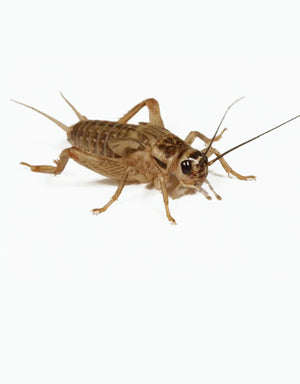
Next time you open your cricket keeper and the chirping stops dead, here's why. Crickets don't have ears on their heads. Instead, they hear through small membranes on their front legs, just below the knee joint.
How a leg can hear
Each front leg has a tympanal organ, a thin, drum like membrane that vibrates when sound waves reach it. Nerves connected to the membrane detect these vibrations, much like our own eardrums do. Having one on each front leg also helps crickets figure out which direction a sound is coming from.
Only the males sing
That chirping you hear at night comes from male crickets. They make the sound by rubbing their wings together. One wing has a row of tiny ridges, like a comb, while the other has a hard scraper edge. When they rub against each other, they produce a chirp. This process is called stridulation.
Females don't chirp, but they listen closely. Male cricket songs help attract potential mates, and females use these sounds to locate them.
Warm crickets chirp faster
Crickets are cold blooded – or more appropriately, ectothermic - just like your reptile, so their activity is influenced by the temperature around them. When temperatures rise, their chirping generally gets faster. When temperatures drop, their chirping slows down.
So, if your cricket keeper is unusually quiet on a chilly November night, your crickets might simply be cold.
Why it matters to you
Crickets are more fascinating than they look, and keeping them healthy takes a little attention. Temperature, ventilation and proper nutrition all play a role in their health and longevity.
Look after your feeders, and they'll be in better condition when it's time to feed your reptile.
A fun fact to share around the dinner table this season! And if you want to keep your feeders healthy until feeding day, check out our guide to keeping crickets alive or pick up some quality gut load on your next visit.


