
















Reptiles Don’t Need as Much Care in Winter?


One of the most common winter myths in reptile keeping is that reptiles slow down in colder months and therefore require no meaningful care adjustments. While it’s true that reptiles should never be neglected, it’s also important to understand that many reptiles do naturally require less active care during winter. Reduced activity, slower metabolism, and decreased appetite are often normal seasonal responses, not problems that need to be corrected.
In many cases, attempting to maintain summer-level feeding or stimulation during winter can actually be counterproductive. As metabolism slows, reptiles typically need less food, and offering smaller or less frequent meals is often appropriate. This seasonal adjustment supports healthy digestion and prevents unnecessary stress. The goal during winter isn’t to force activity or appetite, but to support the reptile’s natural rhythm while maintaining stable environmental conditions.
Why Winter Can Sometimes Be More Demanding
Winter introduces challenges that don’t exist in warmer months. Indoor heating systems dry out the air faster, nights are colder, and daily temperature swings become more common. It can sound like a disaster, but it is not. Careful adjustments made at the beginning of the winter season will provide consistency and set you up for less work over the winter months. You only need to make the changes at the beginning of the season and periodic adjustments and checks about once every 2-3 weeks throughout winter.
Consistency Matters More Than Ever
Reptiles thrive on predictable routines. Feeding schedules, lighting cycles, and enclosure conditions should be adjusted and then remain steady throughout winter. Changes in household routines during and after the holidays often disrupt this consistency. Resetting timers and double-checking daily schedules helps bring stability back into the enclosure.
Many keepers use simple tools like automatic light timers from the supplies section to maintain consistent day-night cycles, even when personal schedules change. Stable lighting cues help reptiles regulate basking behavior and daily rhythms during shorter winter days.
Environmental Comfort Still Drives Behaviour
When reptiles feel secure and comfortable, they behave normally regardless of season. Proper hides, visual barriers, and enclosure layout all contribute to this sense of security. Winter drafts and cooler rooms can make reptiles more prone to hiding if their enclosure doesn’t provide enough shelter.
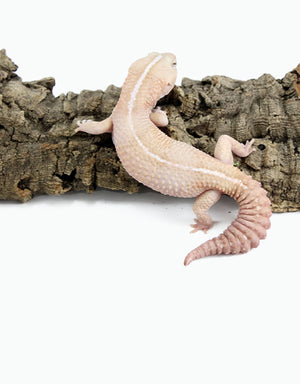
Adding natural hides and visual coverage, such as cork bark pieces or cave hides available in the supplies collection, gives reptiles places to retreat without becoming stressed. This often improves feeding response and overall activity, even during colder months.
What “Slowing Down” Really Means
A calmer reptile is conserving energy in response to subtle environmental changes. Skipped meals, shorter basking sessions, or increased hiding are often signs that your reptile is adapting to the changes in its environment.
Final Thoughts
Winter doesn’t mean reptile care stops, but it often means it changes. Many reptiles naturally require less active care during colder months, particularly when it comes to feeding and activity levels. Allowing these seasonal shifts, rather than trying to override them, supports healthy metabolism and reduces unnecessary stress.
The key to successful winter care is making thoughtful environmental adjustments early, then maintaining consistency. Stable lighting, secure enclosure setups, and predictable routines allow reptiles to settle into their natural winter rhythm with minimal intervention. When supported properly, reptiles can remain comfortable, healthy, and well-adjusted throughout the winter season.


