
















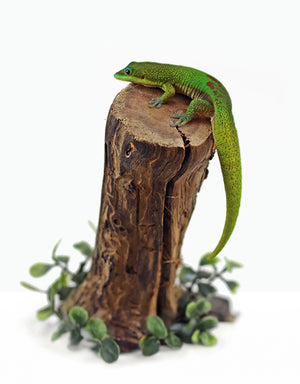
Inconsistent Temperatures Can Stress Reptiles


 Did you know reptiles can experience stress from inconsistent temperatures even when the average enclosure temperature appears correct? Many keepers focus on hitting a target number, but reptiles are far more sensitive to temperature swings than we are. In January, when indoor heating systems cycle frequently, these fluctuations become more common and more impact.
Why Consistency Matters More Than a Single Number
Reptiles rely on external heat to regulate digestion, metabolism, and activity. While an enclosure may average the correct temperature over a full day, repeated rises and drops can still cause stress. A warm afternoon followed by a cooler night forces reptiles to constantly adjust, which can interfere with digestion and overall comfort.
How Temperature Swings Happen in Winter
January brings some of the biggest temperature variations inside the home. Furnaces cycle on and off, rooms cool overnight, and drafts form near windows or doors. These changes can affect enclosures even when heat sources remain unchanged. Reptiles may respond by basking longer, hiding more often, or becoming less interested in food.
Why Behaviour Is the First Warning Sign
Reptiles rarely show stress in obvious ways. Instead, they communicate through subtle behavioural changes. Increased hiding, longer basking periods, or inconsistent feeding responses often signal environmental instability. These signs are sometimes mistaken for seasonal behaviour, when temperature inconsistency is actually the underlying cause.
Many keepers begin to notice these patterns more clearly when they use simple enclosure monitoring tools, such as analog thermometers or hygrometers from the supplies section, placed in multiple areas of the habitat. Seeing how temperatures shift throughout the day can reveal fluctuations that a single reading might miss.
Micro climates Inside the Enclosure
Enclosure design plays a major role in buffering temperature swings. Deep substrates, solid hides, and natural decor help create micro climates where reptiles can retreat when temperatures change. Items like cork bark, cave hides, and natural shelter pieces from the supplies collection help retain warmth and provide stable resting areas during cooler periods.
Average Temperature vs. Stable Temperature
A stable environment allows reptiles to thermonuclear naturally without constant adjustment. When temperatures remain consistent, reptiles are more likely to digest food properly, maintain regular activity levels, and exhibit calm, predictable behaviour. Stability reduces stress even when external conditions fluctuate.
Why January Is a Key Time to Observe
January is an ideal month to observe rather than over correct. Paying attention to patterns not just numbers, helps identify whether temperature swings are affecting your reptile. Small, informed adjustments are often more effective than frequent changes.
Final Thoughts
Reptiles don’t just respond to temperature, they respond to consistency. Even when the average temperature looks right, repeated fluctuations can create stress over time. By monitoring enclosure conditions closely and using natural enclosure elements from the supplies collection to support stability, keepers can create environments that feel predictable and secure through the coldest months of the year.


