
















Western Hognose Snake Care Sheet


Introduction
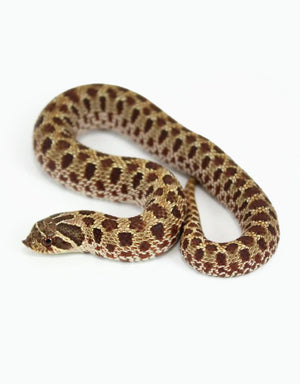
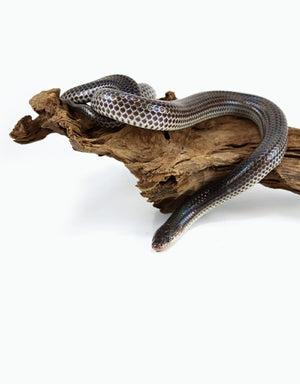
The Western Hognose Snake (Heterodon nasicus) is a small, non-venomous colubrid known for its upturned snout, playful defensive behaviours, and ease of care. They are popular among reptile keepers due to their small size, unique personality, and distinctive appearance. Their mild temperament and relatively simple husbandry requirements make them an excellent choice for keepers with some experience. It should be noted that this is a rear fanged species with mild venom and although they do not easily inject venom into humans, their ability to do so under the right conditions should be respected.
Care sheets are only to be taken as guidelines. Just as with all animals, each reptile will have unique traits and personalities special to the individual animal that may require adaptation in their husbandry and care. The following care sheet will address basic requirements but as the primary caretaker of your pet, we encourage you to take notice of your pet's behaviours and preferences and make adjustments as they grow with you and your family. Please also keep in mind that unlike mammals, most reptiles change their behaviour according to seasonal weather changes even if you keep them indoors all year round. Most reptiles also change their behaviour according to their life stages and should not be expected to behave the same their whole life.
We keep snakes in stock at our Toronto store and ship across Canada.

Cheat Sheet
Western Hognose Snake
| Common name | Western Hognose Snake |
|---|---|
| Scientific name | Heterodon nasicus |
| Natural location | Western Canada, Western United States |
| Habitat (wild) | Grasslands, Prairies, Sandy Scrublands |
| Captive enclosure | 5-10gal for hatchlings/juveniles, 20-40gal+ for adults |
| Substrate | Aspen, Cypress Mulch, Loose Bark, Soil Blends |
| Temperature tolerance | Nighttime: 68-70°F (20-21°C), Cooler: 75-85°F (24-29°C) |
| Basking temperature | 88-90°F (31-32°C) |
| UVB lighting | Optional. Not required but can be beneficial in moderate amounts |
| Humidity | Approx. 30%-50% |
| Average adult size | 2-3.5 feet |
| Captive lifespan | 15-20 years |
| Fun fact | They play dead when threatened or startled |
Housing
Enclosure: Provide a secure enclosure with enough space for your Hognose Snake to stretch out comfortably. A 5-10gallon tank is suitable for juveniles, while adults will require a larger enclosure, such as a 20-40gallon tank. Keep in mind that the larger the enclosure, the more you will have to heat and furnish it to provide adequate husbandry.
Substrate: A loose, dry substrate that allows for burrowing is ideal. Aspen shavings, cypress mulch, or a soil blend will provide a natural feel while allowing the snake to exhibit natural digging behaviour.
Heating: Western Hognose Snakes thrive in a temperature gradient of 75-85°F (24-29°C), with a warm side maintained at around 88-90°F (31-32°C). These snakes can tolerate some fluctuations in temperature with a comfortable night time drop to 68-70°F (20-21°C). Heat pads and radiant heat are preferable to heat lamps because heat lamps tend to dry out the enclosure, making it challenging to maintain humidity. If you prefer to use heat lamps, use dark heat lamps or infrared heat lamps only and ensure that you can maintain humidity.
Hide spots: This species will appreciate having multiple hide spots in their enclosures. Hides should be snug, enclosed spaces where the snake can retreat and feel secure. Additional cover, such as cork bark, leaf litter, or artificial plants, can enhance the enclosure's security and encourage natural behaviours. You may also want to provide a humid cave on the cooler end to assist with shedding.
Humidity: Hognose Snakes prefer slightly dryer conditions with humidity levels of 30-50%. Ensure proper ventilation in the enclosure to prevent excessive moisture. A humidity box filled with damp sphagnum moss can be added to assist with shedding, which is the only time they will require higher humidity close to 50%.
Diet
Feeding: Once established, Hognose Snakes are known for their strong feeding response and should be offered appropriately sized frozen-thawed mice. They have fast metabolisms and hatchlings can be fed pinky mice every 5-7 days, while juveniles and adults should eat every 6-9 days. When they are young, they instinctively feed on amphibians in the wild, which can make it challenging to ensure they eat properly during the first few months after hatching in captivity. Some individuals can be picky eaters and may require scenting techniques with frog or toad odours to encourage feeding. There is strong debate over feeding live versus frozen thawed and there are pros and cons to both. Nutritionally, one is not better than the other assuming you have acquired your feed from a healthy source. Never leave a live rodent unsupervised with your snake and never leave an uneaten frozen/thawed rodent to decompose overnight. To read more about feeding live versus frozen/thawed, please refer to Karen's Corner.
Water: Provide a water dish filled with fresh, clean water at all times. Ensure the water dish is large enough for your Hognose Snake to soak in if desired.

Health & Maintenance
Hygiene: Your Hognose Snake will only relieve itself once every 5-7 days on average. Over time, you will learn your snake's bathroom routines. Look out for it regularly and remove all excrements as soon as you see it to prevent the buildup of bacteria and parasites. Remove excrements, shed skin, and uneaten prey items promptly. We recommend a full substrate change once per season, 4 times a year. Wood and plant decor can be washed monthly with hot water and dish soap and put back into place.
Handling: Western Hognose Snakes are generally docile but may display defensive behaviours such as hissing, flattening their necks like a cobra, or playing dead. These behaviours are harmless and decrease with regular, gentle handling. Always support the snake's body and avoid sudden movements. While they rarely bite, they are rear fanged with mildly venomous saliva that can cause adverse reactions if you are sensitive to it. Avoid handling during the shedding process and after feeding to minimize stress. Wash your hands before and after handling to prevent the spread of bacteria.
What does rear fanged mean? Rear-fanged snakes (also known as opisthoglyphous snakes) have enlarged fangs located toward the back of their upper jaws rather than at the front. These fangs are grooved, allowing venom to flow from the snake's venom glands into its prey as it bites and chews. Unlike front-fanged venomous snakes, rear-fanged species must hold onto their prey and work their fangs into the flesh to effectively deliver venom. Most rear fanged venom is mild, like the Hognose Snake and can cause localized or systemic reactions in humans. Since rear-fanged snakes must chew to inject venom effectively, most bites to humans result in little to no venom transfer, especially if the bite is brief. However, individuals with allergies or sensitivities may experience more severe reactions. Proper handling will minimize any risk.
Behavioural observation: Western Hognose Snakes are diurnal which means they are active during the day. They are curious and active, and will burrow frequently, explore their enclosure, and display a consistent feeding response. Signs of illness include lethargy, laboured breathing, excessive hiding, regurgitation, or difficulty shedding. If any unusual behaviours or health concerns arise, a reptile veterinarian should be consulted.
Quarantine: Quarantine any new additions to your reptile collection to prevent the spread of diseases.
Common Questions
Are western hognose snakes venomous?
They are rear fanged with mild venom in their saliva. That is not the same as a front-fanged venomous snake. They must chew to deliver it, so most bites transfer little or nothing, and they rarely bite in the first place. People with allergies or sensitivities can react more strongly, so the ability should be respected rather than ignored.
Why does my hognose play dead?
It is a defensive display, along with hissing and flattening the neck like a cobra. All of it is bluff and all of it is harmless. It tends to fade with regular, gentle handling as the snake stops treating you as a threat.
What size enclosure does a hognose need?
5 to 10 gallons for hatchlings and juveniles, 20 to 40 gallons for adults. Bigger is not automatically better here, because a larger enclosure is harder to heat and furnish well.
What do western hognose snakes eat?
Appropriately sized frozen-thawed mice. Hatchlings take pinkies every 5 to 7 days, juveniles and adults eat every 6 to 9 days. Young ones can be fussy because they hunt amphibians in the wild, so scenting with frog or toad odour sometimes gets a stubborn feeder started.
Do hognose snakes need a heat lamp?
Heat pads and radiant heat are the better choice. Heat lamps dry the enclosure out and make humidity hard to hold. If you do use a lamp, use a dark or infrared one and watch the humidity.
How long do western hognose snakes live?
15 to 20 years, at 2 to 3.5 feet full grown. Small snake, long commitment.
All Reptiles, all the time.
Snakes in stock now
We carry the enclosures, aspen and burrowing substrate, heat mats and hides covered in this guide at 1911 Kennedy Rd. Unit 99 in Toronto. Staff can walk you through a full setup in person.


