
















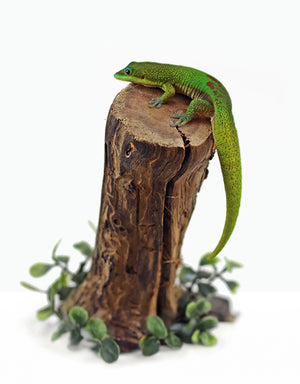
Helmeted Chameleon Care Sheet


Introduction
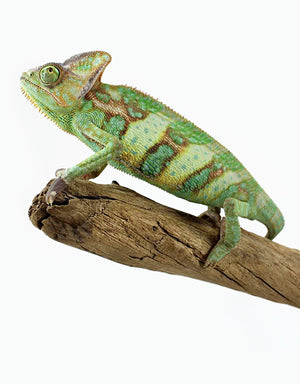
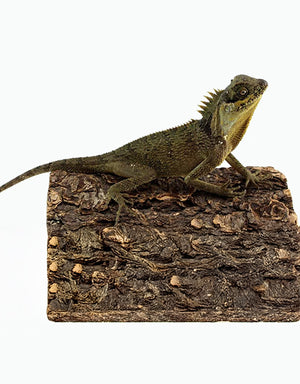
The Helmeted Chameleon (Trioceros hoehnelii) is a beautiful montane species native to the cool forests and highlands of Kenya and Uganda. Named for the prominent casque, or "helmet," on the top of its head, this species is admired for its subtle greens, blues, and earthy colours that allow it to blend seamlessly into its natural surroundings. Unlike many reptiles that actively explore their environment, Helmeted Chameleons spend much of their day slowly moving through branches while carefully observing everything around them. Their independently moving eyes, remarkable camouflage, and unique hunting style make them one of the most fascinating reptiles to keep.
Helmeted Chameleons are generally considered an intermediate to advanced species due to their specific environmental requirements. They thrive in cooler temperatures than many commonly kept reptiles and require excellent ventilation, proper hydration, and minimal stress to remain healthy. With careful husbandry and a well-designed enclosure, they can become incredibly rewarding animals to observe.
Care sheets are only to be taken as guidelines. Just as with all animals, each reptile will have unique traits and personalities special to the individual animal that may require adaptation in their husbandry and care. The following care sheet will address basic requirements but as the primary caretaker of your pet, we encourage you to take notice of your pet's behaviours and preferences and make adjustments as they grow with you and your family. Please also keep in mind that unlike mammals, most reptiles change their behaviour according to the weather seasons even if you keep them indoors all year round.
We keep helmeted chameleons in stock at our Toronto store and ship across Canada.

Cheat Sheet
Helmeted Chameleon
| Common name | Helmeted Chameleon |
|---|---|
| Scientific name | Trioceros hoehnelii |
| Natural location | Kenya, Uganda |
| Habitat (wild) | Montane forests, woodland edges, cool highland vegetation |
| Captive enclosure | 12x12x18” for juveniles, 18x18x24”+ for adults |
| Substrate | Bioactive Soil Blends, Zoo Med Reptisoil, Forest Floor, Jungle Mix, live planted enclosures |
| Temperature tolerance | Cooler: 68-74°F (20-23°C), Nighttime: 55-65°F (13-18°C) |
| Basking temperature | 80-84°F (27-29°C) |
| UVB lighting | Essential. 10-12 hours per day, +/-2hrs for seasonal adjustment if desired |
| Humidity | 50-80% with periods of drying between misting |
| Average adult size | 6-8 inches (captivity), larger in the wild |
| Captive lifespan | 4-7 years |
| Fun fact | Each eye moves independently, allowing Helmeted Chameleons to scan nearly their entire surroundings while remaining perfectly still |
Housing
Enclosure: Helmeted Chameleons are an arboreal species that spend nearly their entire lives above the ground. Height is therefore considerably more important than floor space, and we recommend an enclosure measuring at least 18” x 18” x 24” for a single adult. Larger enclosures are always encouraged provided proper temperatures, humidity, and airflow can still be maintained. Unlike many reptiles that appreciate enclosed environments, chameleons require excellent ventilation and generally perform best in screen or hybrid enclosures that allow continuous air exchange.
These chameleons are naturally solitary animals and do best when housed individually as mature adults.
Substrate: Although Helmeted Chameleons spend very little time on the enclosure floor, substrate still plays an important role in maintaining healthy humidity levels and supporting live plants. We recommend Zoo Med Reptisoil, Zoo Med Forest Floor, or well-established bioactive soil blends that retain moisture while allowing proper drainage. Live planted enclosures not only create a more natural appearance but also help stabilize humidity throughout the day. Unlike many ground dwelling reptiles, substrate selection is often less important than maintaining a healthy canopy of branches and foliage where the chameleon will spend nearly all of its time.
Temperature and humidity: Helmeted Chameleons originate from cooler mountain regions and should never be maintained under the excessively high temperatures commonly used for many desert reptiles. A basking area of approximately 80-84°F (27-29°C) is generally sufficient, while the remainder of the enclosure should remain between 68-74°F (20-23°C). One of the unique characteristics of this species is its appreciation for cool nighttime temperatures, which may safely fall into the upper 50s to mid 60s Fahrenheit.
Humidity should fluctuate between approximately 50-80% throughout the day. Rather than maintaining constantly high humidity, we recommend allowing the enclosure to dry partially between misting sessions. This natural cycle closely resembles conditions experienced in the wild and greatly reduces the likelihood of respiratory problems.
Lighting: High quality UVB lighting is essential for healthy bone development and proper calcium metabolism. Provide UVB lighting for approximately 10-12 hours daily using a high-quality linear reptile UVB fixture. Because Helmeted Chameleons require only moderate basking temperatures, overheating is often a greater concern than providing additional heat. Care should be taken to ensure basking lights create a comfortable basking zone without excessively warming the enclosure.
Decor: A densely planted enclosure is one of the most important aspects of successful Helmeted Chameleon husbandry. Provide a variety of branches with different diameters, sturdy climbing vines, and numerous live plants that create shaded retreat areas throughout the enclosure. Live plants such as Pothos, Umbrella Plants, and Ficus provide both climbing opportunities and visual security while helping maintain stable humidity.
Unlike many reptiles that appreciate open basking areas, Helmeted Chameleons prefer moving between filtered sunlight and dense vegetation throughout the day. A well planted enclosure allows them to regulate both their temperature and their sense of security.
Diet
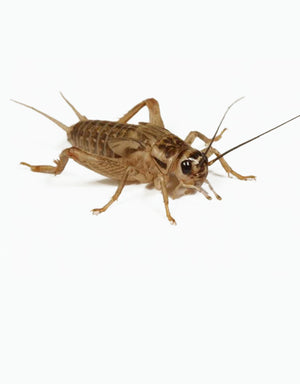
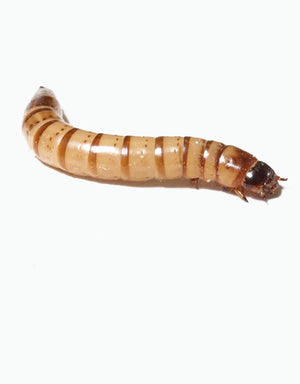
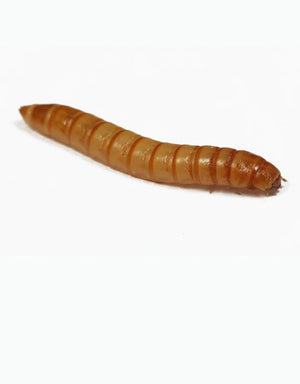
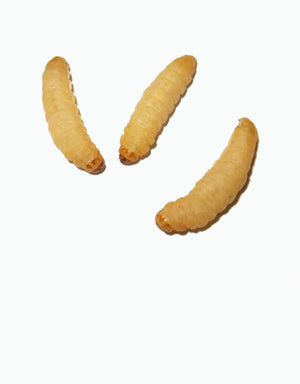
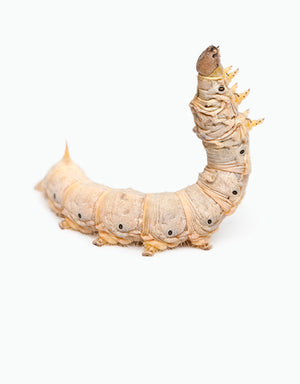
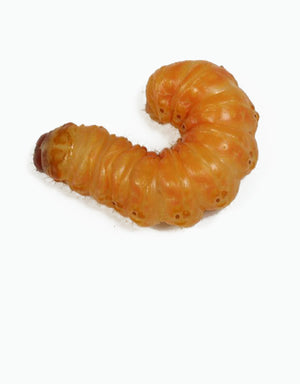
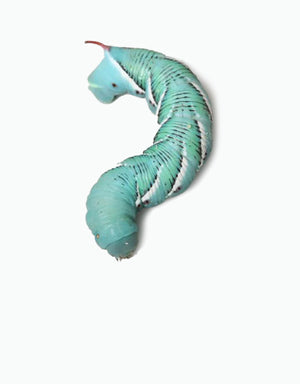
Feeding: Helmeted Chameleons are insectivores that thrive on a varied diet of appropriately sized feeder insects. Crickets, roaches, black soldier fly larvae, silkworms, hornworms, blue bottle flies, and appropriately sized grasshoppers all make excellent staple feeders. Offering a wide variety of insects provides more complete nutrition than relying heavily on only one or two species. Feeder insects are best when well gut loaded before feeding. Healthy feeder insects produce healthier chameleons, and proper nutrition begins long before the insects are offered.
Supplementation: Feeder insects should be lightly dusted with calcium supplements on a regular basis while also receiving a quality reptile multivitamin periodically. When appropriate UVB lighting is provided, excessive Vitamin D3 supplementation should be avoided.
Water: Unlike many reptiles, Helmeted Chameleons rarely recognize standing water as a source of drinking water. Instead, they naturally drink droplets that accumulate on leaves following rainfall or morning dew. Daily misting and the use of automatic misting systems or drippers provide the best opportunities for hydration. Fresh water should always be used, and proper drainage is important to prevent stagnant water from accumulating within the enclosure.

Health & Maintenance
Hygiene: Spot clean the enclosure regularly by removing feces and uneaten insects before bacteria has an opportunity to accumulate. Live plants should be inspected periodically for mould or decaying vegetation, and standing water should never be allowed to collect inside the enclosure. Bioactive enclosures generally require considerably less substrate replacement than traditional setups, although routine maintenance remains important to ensure long term health.
Handling: Helmeted Chameleons are best appreciated as display animals rather than pets that require frequent handling. While many individuals become comfortable around their keepers, unnecessary handling often creates avoidable stress. We recommend allowing the chameleon to voluntarily climb onto your hand whenever handling is necessary rather than attempting to grasp or restrain it. Calm, gentle interactions help build trust while minimizing stress.
Behavioural observation: Healthy Helmeted Chameleons spend much of the day slowly exploring branches, basking beneath their heat source, hunting insects, and carefully observing their surroundings. Bright alert eyes, strong grip strength, accurate tongue strikes, and regular feeding are all excellent indicators of good health.
Monitor your chameleon for changes in appetite, persistent dark colouration, swollen joints, closed eyes during the day, difficulty climbing, wheezing, or prolonged inactivity. Because chameleons are naturally skilled at hiding signs of illness, even subtle behavioural changes should be investigated promptly.
Quarantine: Quarantine any new additions to your reptile collection to prevent the spread of diseases.
Common Questions
Are helmeted chameleons good for beginners?
No. They are an intermediate to advanced species. The difficulty is not that they are fragile so much as that their requirements run opposite to most reptile keeping instincts: cooler rather than warmer, heavily ventilated rather than sealed, and left alone rather than handled.
What temperature does a helmeted chameleon need?
Cooler than almost anything else in a reptile room. Basking at 80 to 84°F, the rest of the enclosure at 68 to 74°F, and nights dropping into the upper 50s to mid 60s. Overheating is the bigger risk with this species, not underheating.
What size enclosure does a helmeted chameleon need?
At least 18 by 18 by 24 inches for one adult, and 12x12x18 for juveniles. Height matters far more than floor space. Screen or hybrid enclosures are preferred because they need constant air exchange, which a sealed glass tank cannot give them.
Should humidity be kept high all the time?
No, and this is the part people get wrong. Aim for 50 to 80% but let the enclosure dry out partially between mistings. Constant saturation is what causes respiratory problems. The wet and dry cycle is closer to what they experience in the wild.
Can helmeted chameleons be housed together?
Not as mature adults. They are solitary and do best kept individually.
Do helmeted chameleons drink from a bowl?
Rarely. They drink droplets off leaves after rain or dew. Daily misting, an automatic mister or a dripper is how you hydrate one. Make sure the enclosure drains so water does not pool at the bottom.
All Reptiles, all the time.
Helmeted chameleons in stock now
We carry helmeted chameleons, along with the screen enclosures, misting systems, UVB lighting and live plants covered in this guide, at 1911 Kennedy Rd. Unit 99 in Toronto. Staff can walk you through a full setup in person.


