

















Savannah Monitor Care Sheet


Introduction
The Savannah Monitor (Varanus exanthematicus) is one of the most recognizable monitor lizards in the reptile hobby. Native to the grasslands and savannahs of central and western Africa, they are intelligent, powerful, and highly food-motivated animals that can develop strong relationships with their keepers over time. Their stocky build and calm disposition often lead people to believe they are an easy beginner monitor, but in reality they require very large enclosures, intense heating, and a commitment to providing a healthy lifestyle. With proper husbandry and regular interaction, Savannah Monitors can become confident, inquisitive reptiles that are incredibly rewarding to own for experienced keepers.
Care sheets are only to be taken as guidelines. Just as with all animals, each reptile will have unique traits and personalities special to the individual animal that may require adaptation in their husbandry and care. The following care sheet will address basic requirements but as the primary caretaker of your pet, we encourage you to take notice of your pet's behaviours and preferences and make adjustments as they grow with you and your family. Please also keep in mind that unlike mammals, most reptiles change their behaviour according to the weather seasons even if you keep them indoors all year round.
We keep lizards in stock at our Toronto store and ship across Canada.

Cheat Sheet
Savannah Monitor
| Common name | Savannah Monitor |
|---|---|
| Scientific name | Varanus exanthematicus |
| Natural location | Central and Western Africa |
| Habitat (wild) | Savannahs, grasslands, scrublands, open woodland |
| Captive enclosure | 40gal for juveniles, 8'x4'x4' minimum for adults |
| Substrate | ZM Repti Chips, Bioactive Soil Blends, Sand/Clay Mixtures, Exo Terra Stone Desert |
| Temperature tolerance | Cooler: 80-90°F (27-32°C), Nighttime: 75-80°F (24-27°C) |
| Basking temperature | 95-110°F (35-43°C) |
| UVB lighting | Essential. 10-12 hours per day, +/-2hrs for seasonal adjustment if desired |
| Humidity | 40-60% |
| Average adult size | 3-4 feet |
| Captive lifespan | 15-20+ years |
| Fun fact | They are capable of recognizing their owners and solving surprisingly complex problems |
Housing
Enclosure: Savannah Monitors grow into large, muscular lizards that require considerably more space than many first time owners anticipate. Juveniles may temporarily be housed in a 40-gallon enclosure while they are small, but adults require a custom enclosure measuring at least 4' x 2' x 2'. Larger is always encouraged. When selecting an enclosure, remember that size alone does not guarantee proper husbandry. A monitor needs a properly heated enclosure with multiple basking areas, deep substrate, hiding places, and enrichment. An enormous enclosure without sufficient heating or furnishings is far less beneficial than one that has been thoughtfully designed. Unlike many reptiles that spend much of their day resting, Savannah Monitors remain active and curious, spending their time exploring, digging, basking, and searching for food.
Substrate: Providing deep substrate is one of the most overlooked aspects of Savannah Monitor husbandry. These lizards spend much of their lives digging extensive burrows that provide security, humidity, and temperature regulation. We recommend substrates such as Zoo Med Forest Floor for beginner keepers, while advanced keepers often create naturalistic mixtures using Reptisoil, excavator clay, sand, and organic soil. Exo Terra Stone Desert also creates excellent naturalistic environments. The substrate should ideally be deep enough to allow at least partial burrowing, with adults benefiting from 12-24 inches whenever possible.
Temperature & Humidity: Savannah Monitors are highly tolerant to high temperatures and can withstand short exposures of up to 140°F. Comfortable surface basking temperatures should reach 95-110°F (35-43°C) while the surrounding warm side remains around 90°F (32°C) and the cooler side between 80-85°F (27-29°C). Nighttime temperatures can safely fall to approximately 75-80°F (24-27°C). Although often described as desert animals, Savannah Monitors naturally spend much of their lives inside humid underground burrows. For this reason, we recommend maintaining overall enclosure humidity between 40-60%, while ensuring deeper substrate layers retain additional moisture for burrowing. A humid underground environment greatly assists with hydration, healthy sheds, and overall respiratory health.
Lighting: High output UVB lighting is essential for Savannah Monitors. Provide UVB lighting for approximately 10-12 hours daily using high quality reptile specific bulbs. Because of their large size and intense heat requirements, multiple heating devices are usually necessary. Basking bulbs, halogen flood bulbs, ceramic heat emitters, and deep heat projectors are all excellent choices depending on enclosure size and room temperature. As the enclosure becomes larger, additional heat sources are almost always required to establish proper temperature gradients.
Decor: Savannah Monitors are intelligent animals that thrive when given opportunities to interact with their environment. Provide large logs, sturdy branches, elevated basking platforms, heavy rocks, cork bark, tunnels, and secure hiding places throughout the enclosure. Although they are primarily terrestrial, juveniles especially enjoy climbing opportunities. All decor should be extremely stable. Savannah Monitors are incredibly strong and can easily topple lightweight decorations while digging or exploring. Enrichment is just as important as proper temperatures. Rearranging decor occasionally and offering puzzle feeding opportunities can provide valuable mental stimulation.
Diet
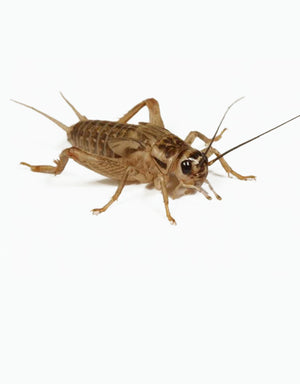
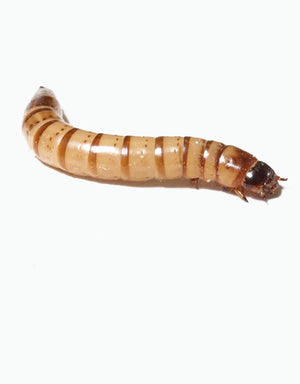
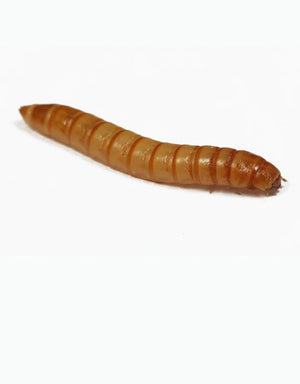
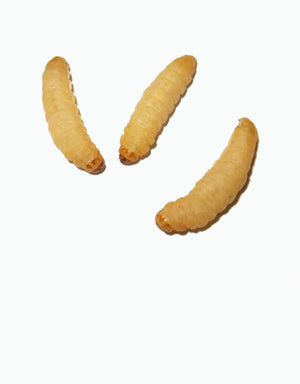
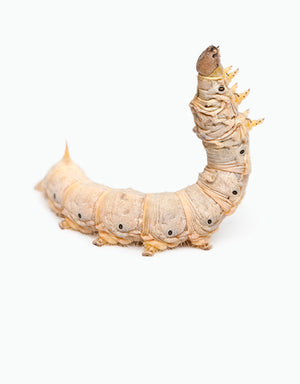
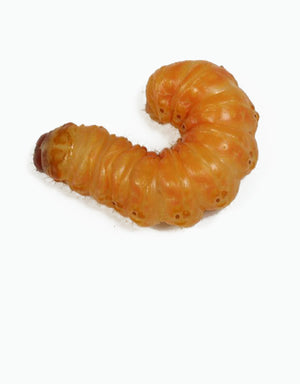
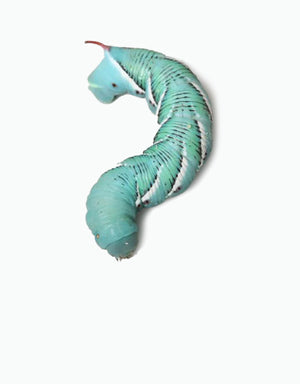
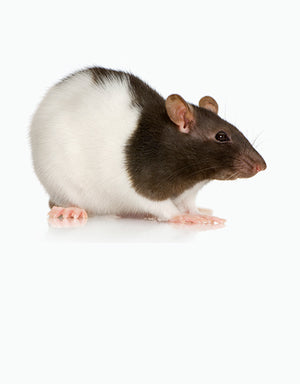
Feeding: One of the biggest misconceptions surrounding Savannah Monitors is their diet. In the wild, they consume primarily insects and other invertebrates, with only occasional vertebrate prey. Captive diets that rely heavily on rodents often result in obesity and shortened lifespans. A healthy diet should consist primarily of insects including crickets, roaches, grasshoppers, superworms, mealworms, hornworms, silkworms, butterworms, black soldier fly larvae, and the occasional snail when available. Gut loading feeder insects before feeding significantly improves their nutritional value. Well fed insects produce healthier monitors. Occasional pinkie mice, quail eggs, chicks, or lean raw meats and organ meats may be offered in moderation, particularly for larger adults, but these should not become staple foods. Providing dietary variety is far more beneficial than feeding large amounts of one prey item.
Supplementation: Lightly dust insects with calcium supplements on a regular basis while also offering a reptile multivitamin periodically. When quality UVB lighting is provided, excessive Vitamin D3 supplementation should be avoided.
Water: Fresh clean water should always be available in a sturdy dish large enough for soaking. While Savannah Monitors may not soak every day, many individuals enjoy occasional baths, particularly while shedding or during warmer months. Water should be changed daily.

Health & Maintenance
Hygiene: Spot clean the enclosure every day by removing feces, shed skin, and leftover food. Large monitors can produce significant waste, making routine cleaning essential. Water dishes should be cleaned frequently, and wood décor may be washed monthly using hot water before being returned to the enclosure. Complete substrate replacement frequency depends largely on the depth of substrate and whether the enclosure is bioactive. Traditional enclosures generally benefit from complete replacement several times per year, while properly established bioactive systems may function successfully for years with only periodic maintenance.
Handling: Savannah Monitors are among the most intelligent reptiles commonly kept in captivity. Rather than attempting to "tame" them through restraint, we recommend allowing trust to develop naturally through positive interactions and routine feeding. Young monitors can be nervous and defensive initially, but most become significantly calmer as they learn that people are not predators. Never chase a monitor around its enclosure. Instead, encourage it to voluntarily climb onto your hands whenever possible. Their powerful claws can easily scratch accidentally, so proper support underneath the entire body is important during handling. With patience, many Savannah Monitors become remarkably confident animals that willingly approach their keepers for interaction.
Behavioural observation: Savannah Monitors are highly observant reptiles that spend much of the day exploring their surroundings. Digging, climbing, basking, tongue flicking, and actively investigating new objects are all signs of a healthy monitor. Healthy adults often establish daily routines and quickly learn feeding schedules. Many individuals also recognize familiar people and may even wait at the enclosure door when expecting food. Watch for signs such as persistent lethargy, difficulty shedding, weight loss, swollen limbs, wheezing, or prolonged refusal to eat outside of seasonal slowdowns. One of the most common health issues seen in captive Savannah Monitors is obesity due to excessive rodent feeding. A healthy Savannah Monitor should appear muscular and athletic rather than round or overweight.
Quarantine: Quarantine any new additions to your reptile collection to prevent the spread of diseases.
Common Questions
Are Savannah Monitors good beginner reptiles?
The calm temperament and stocky build make people think so, and this sheet says plainly that they are not. Very large enclosures, intense heating and a long commitment put them with experienced keepers.
How big do Savannah Monitors get?
3 to 4 feet, and they are heavily built rather than slender. Plan the enclosure around the adult, not the animal you bring home.
What do Savannah Monitors actually eat?
Insects, mostly. This is the biggest misconception about the species. In the wild they take primarily invertebrates with occasional vertebrate prey, and captive diets built on rodents lead to obesity and shorter lives. Pinkie mice, quail eggs and chicks belong in the diet as occasional items, not staples.
How deep should the substrate be?
Deep enough to burrow, with 12 to 24 inches for adults where possible. Burrowing is not enrichment for this species, it is how they manage security, humidity and temperature.
Do Savannah Monitors need humidity?
Yes, more than the desert reputation suggests. 40 to 60% overall, with the deeper substrate layers holding extra moisture. They spend much of their wild lives inside humid burrows, which is what keeps sheds and airways healthy.
Can you tame a Savannah Monitor?
Not by restraint. Trust builds through routine feeding and calm, positive contact. Never chase one around its enclosure. Let it climb onto your hands, and support the whole body, since the claws scratch without meaning to.
All Reptiles, all the time.
Live lizards in stock now
We carry the substrates, excavator clay, high output UVB, halogen flood bulbs, ceramic heat emitters and deep heat projectors covered in this guide at 1911 Kennedy Rd. Unit 99 in Toronto. Staff can walk you through a full setup in person.


