
















Red Foot Tortoise Care Sheet


Introduction
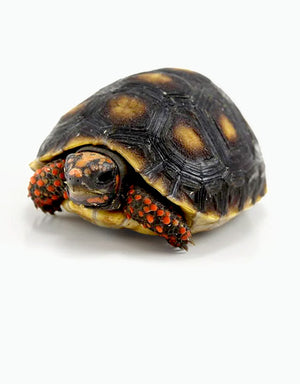
Red Foot Tortoises (Chelonoidis carbonarius) are medium-sized, colorful tortoises native to the tropical regions of South America, particularly in countries like Brazil, Guyana, Suriname, and Venezuela. They are named for the distinctive red or orange markings found on their legs, head, and sometimes along the edges of their shell. Their shells are usually dark brown or black with a light-colored, sometimes yellowish, pattern. These tortoises are known for their mild, docile temperaments and relatively manageable size compared to some other tortoise species, making them popular pets.
Care sheets are only to be taken as guidelines. Just as with all animals, each reptile will have unique traits and personalities special to the individual animal that may require adaptation in their husbandry and care. The following care sheet will address basic requirements but as the primary caretaker of your pet, we encourage you to take notice of your pet's behaviours and preferences and make adjustments as they grow with you and your family. Please also keep in mind that unlike mammals, most reptiles change their behaviour according to the weather seasons even if you keep them indoors all year round.
We keep tortoises and turtles in stock at our Toronto store and ship across Canada.

Cheat Sheet
Red Foot Tortoise
| Common name | Red Foot Tortoise |
|---|---|
| Scientific name | Chelonoidis carbonarius |
| Natural location | Northern Regions of South America |
| Habitat (wild) | Sub tropical, Tropical, Forest |
| Captive enclosure | 20-40gal for hatchlings/juveniles, custom 4'x8' and up for adults |
| Substrate | Moisture retaining, diggable. ZM ReptiSoil, ZM Forest Floor, Zilla, etc |
| Temperature tolerance | Cooler: 75-85°F (24-29°C), Nighttime: 70-75°F (21-24°C) |
| Basking temperature | 90-95°F (32-35°C) |
| UVB lighting | Essential. 10-14 hours a day |
| Humidity | 60-80% |
| Average adult size | 10-14 inches |
| Captive lifespan | 50 years + |
| Fun fact | They can run faster than you think |
Housing
Enclosure: Ample space to roam is essential to accommodate their activity level. Red Foot Tortoises are roamers and grazers, they need lots of space to explore and have high activity levels. A 20-40gal terrarium is adequate when they are young but eventually they will need a custom space ideally measuring around 4' x 8'. Red foots are very long living which means they have a relatively slow growth rate and take 15-20 years before they reach full size. They also benefit from plenty of hiding spots and opportunities to dig in their habitat.
Substrate: Red Foot Tortoises thrive in environments that closely resemble their natural rain forest and woodland habitats. In the wild, they often live in areas with a humid, moist substrate that allows for burrowing and natural behaviors like digging. They also love to sit in mud! To replicate this in captivity, choose substrates that resemble a mixture of dirt and mulch. Providing the right substrate is crucial for their health and well-being and you will find over time that the right substrate will directly correlate to their activity levels.
Temperature & Humidity: This species is native to tropical and subtropical regions of South America, where they experience warm temperatures and high humidity throughout the year. To thrive in captivity, they need a carefully controlled environment that mimics their natural habitat as closely as possible. Consistent warm temperatures and high humidity will greatly contribute to their health. The basking area should be heated to 90-95°F (32-35°C) to allow the tortoise to regulate its body temperature, while the ambient temperature of the enclosure should remain between 75-85°F (24-29°C) during the day. At night, the temperature can safely drop to 70-75°F (21-24°C). Humidity is equally important and should be kept between 60-80%, which helps prevent dehydration. To achieve this, misting the enclosure regularly, using moisture-retaining substrates like soil or cypress mulch, and possibly using a humidifier are all helpful. Monitoring both temperature and humidity levels with thermometers and hygrometers ensures a comfortable, healthy environment for your tortoise.
Lighting: Provide UVB lighting for 10-12 hours a day to support proper calcium and vitamin D3 metabolism and overall health. Use a full-spectrum UVB bulb specifically designed for reptiles. UVB lighting can be provided in the form of linear fluorescent, compact fluorescent, mercury vapour, and more recent technology provides UVB lighting in LED form as well. Heating bulbs can be provided by basking heat bulbs, heat emitters, or deep heat projectors. The amount of lighting you need will depend on the size of your setup and temperature of the room the enclosure stays in.
Decor: Red Foot Tortoises will likely try to trample anything you place into its terrarium due to its high activity levels and bulldozer like personalities. Provide some shaded areas in the enclosure and anything else should be strong and sturdy to withstand your tortoise's movements. Otherwise, provide lots of open space for roaming and foraging.
Diet
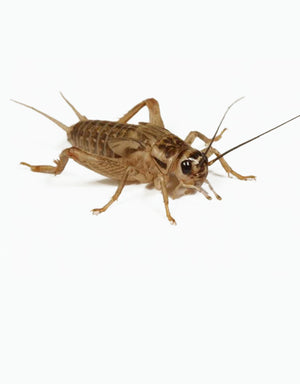
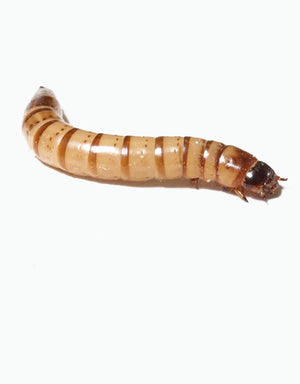
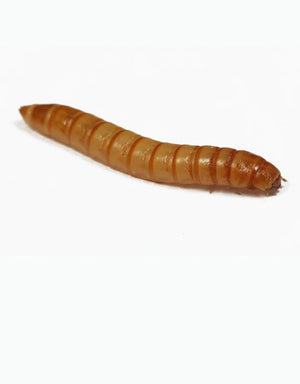
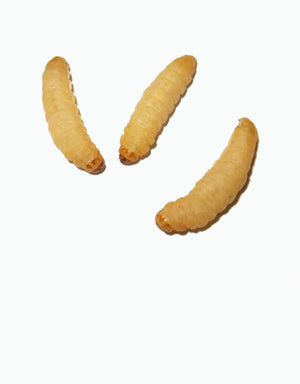
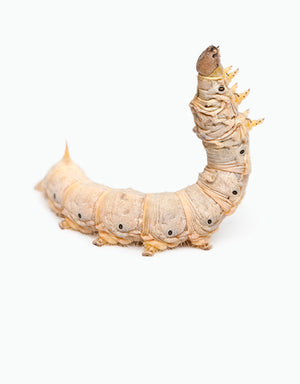
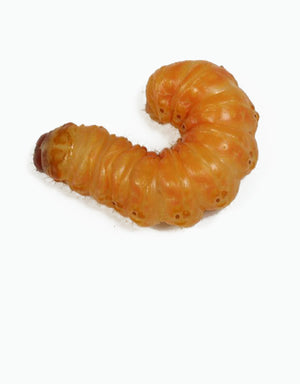
Feeding: Red Foot Tortoises are one of few tortoises that are true omnivores and therefore benefit from some levels of proteins. As omnivores, they enjoy a varied diet. They need leafy greens (ie. dandelion, collard, endive, bok choy, kale, and swiss chard, etc.), vegetables, and some fruit (in moderation). You can also offer occasional protein sources like boiled eggs, small insects, worms, invertebrates, and even some fish. It's important to avoid overfeeding fruit due to its high sugar content.
Supplementation: Provide calcium supplements to support shell health in the form of calcium blocks or cuttlebones. We advise against D3 supplements as long as you are using the correct UVB lighting.
Water: They require fresh water daily for drinking and soaking. They absolutely love mud and soaking in water is beneficial to keep them hydrated.

Health & Maintenance
Hygiene: Spot clean your enclosure on a daily basis to prevent bacteria build up and general cleanliness. Red foots often defecate in their clean water and it is essential to change this water frequently. We recommend a full substrate change once per year. Wood and plant décor can be washed monthly or bi monthly with hot water and dish soap and put back into place.
Handling: Red Foot Tortoises are generally docile and tolerant of handling, though excessive handling can cause stress especially when they are very young. Over time, they will 100% recognize their owners and family members. Wash your hands before and after handling to prevent the spread of bacteria.
Behavioural observation: They are curious and active during the day so making a well structured environment is essential. While not highly social, they can coexist peacefully with other red-foot tortoises if given enough space, though males may occasionally display dominance behaviours like head bobbing or pushing, especially during breeding season. Other common ailments include pyramiding, respiratory infections, shell rot, and metabolic bone disease, all of which is easily avoided if given consistent proper care. Keep in mind that it is normal for healthy adults to go into brumation during the winter season where they will eat less and move less.
Quarantine: Quarantine any new additions to your reptile collection to prevent the spread of diseases.
Common Questions
How big do red foot tortoises get?
10 to 14 inches. They grow slowly and take 15 to 20 years to reach full size, so the hatchling you bring home will be small for a long while.
What size enclosure does a red foot tortoise need?
A 20-40gal terrarium works while they are young, but an adult needs a custom built space of roughly 4 by 8 feet. They are roamers and grazers, and floor area matters more than height.
Can red foot tortoises eat meat?
Yes, and this is what sets them apart from most tortoises. Red foots are true omnivores, so occasional boiled eggs, small insects, worms, invertebrates and even some fish belong in the diet alongside leafy greens and vegetables.
How humid should a red foot enclosure be?
60 to 80%. Regular misting, a moisture retaining substrate like soil or cypress mulch, and a humidifier if needed will hold it there. Keep a hygrometer in the enclosure rather than guessing.
How long do red foot tortoises live?
Over 50 years. This is a lifetime animal and often one that outlives its first owner, so it is worth thinking about who takes it on later.
Do red foot tortoises brumate?
Healthy adults commonly slow down over winter, eating less and moving less. That is normal seasonal behaviour rather than a sign of illness, though it is still worth watching closely.
All Reptiles, all the time.
Live tortoises and turtles in stock now
We carry the substrates, UVB lighting, heat bulbs, thermometers and hygrometers covered in this guide at 1911 Kennedy Rd. Unit 99 in Toronto. Staff can walk you through a full setup in person.


