
















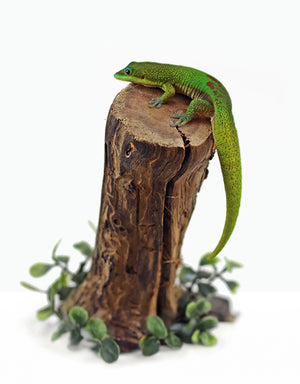
Painted Agama Care Sheet


Introduction
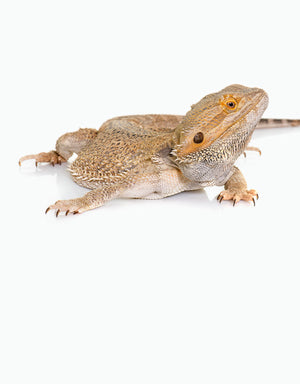
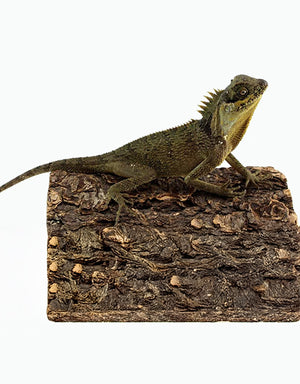
The Painted Agama (Laudakia spp.) is a striking medium sized lizard native to the rocky deserts, cliffs, and scrublands of the Middle East and parts of Central Asia. Well known for their vibrant breeding colours and confident personalities, Painted Agamas are active, diurnal reptiles that spend much of their day basking in the sun while watching for insects from elevated perches. Although they are not as commonly kept as Bearded Dragons, they possess many similar qualities, including their inquisitive nature and willingness to become accustomed to regular handling. Their moderate size, hardy disposition, and fascinating behaviours make them an excellent choice for keepers looking for something a little different and a little smaller than a bearded dragon, while still enjoying an engaging and interactive reptile.
Care sheets are only to be taken as guidelines. Just as with all animals, each reptile will have unique traits and personalities special to the individual animal that may require adaptation in their husbandry and care. The following care sheet will address basic requirements but as the primary caretaker of your pet, we encourage you to take notice of your pet's behaviours and preferences and make adjustments as they grow with you and your family. Please also keep in mind that unlike mammals, most reptiles change their behaviour according to the weather seasons even if you keep them indoors all year round.
We keep dragons and agamids in stock at our Toronto store and ship across Canada.

Cheat Sheet
Painted Agama
| Common name | Painted Agama |
|---|---|
| Scientific name | Laudakia spp. |
| Natural location | Middle East, Central Asia |
| Habitat (wild) | Rocky deserts, cliffs, scrublands, dry mountainous regions |
| Captive enclosure | 20gal for juveniles, 40gal+ for adults |
| Substrate | ZM Repti Chips, Exo Terra Stone Desert, Zoo Med Repti Sand, Bioactive Soil Blends, Sand/Clay Mixtures |
| Temperature tolerance | Cooler: 80-85°F (27-29°C), Nighttime: 72-78°F (22-26°C) |
| Basking temperature | 100-110°F (38-43°C) |
| UVB lighting | Essential. 10-12 hours per day, +/-2hrs for seasonal adjustment if desired |
| Humidity | 25-40% |
| Average adult size | 10-12 inches |
| Captive lifespan | 10-15+ years |
| Fun fact | Male Painted Agamas develop brilliant blue, orange, and red breeding colours during the breeding season |
Housing
Enclosure: Painted Agamas are active lizards that enjoy spending much of their day climbing onto elevated rocks and basking while observing their surroundings. Juveniles generally do well in a 20-gallon breeder enclosure, but adults should eventually be upgraded into an enclosure measuring at least 36x18x18”. Larger enclosures are always encouraged provided appropriate temperatures can be maintained throughout. Like many active reptiles, they make full use of every inch of their enclosure when given opportunities to climb, bask, and explore. Unlike Bearded Dragons, Painted Agamas naturally inhabit rocky hillsides and cliff faces where elevated basking sites are abundant. Providing vertical climbing opportunities allows them to display many of the natural behaviours they exhibit in the wild.
Substrate: Choosing the proper substrate helps recreate the dry, rocky habitats these lizards naturally occupy. We recommend substrates such as Exo Terra Stone Desert, Zoo Med Excavator, or naturalistic bioactive blends consisting of sand, excavator clay, and organic soil. These substrates provide a natural appearance while allowing limited digging behaviour and supporting stable climbing structures. For a simpler setup, especially for juveniles, the use of ZM ReptiChips can be very convenient and easy.
Although loose substrates often receive criticism, healthy reptiles maintained under proper temperatures and hydration rarely experience problems. More importantly, natural substrates provide environmental enrichment that encourages normal behaviours not often observed on paper towels or reptile carpet.
Temperature and humidity: Painted Agamas require warm daytime temperatures with access to an intense basking area. Surface basking temperatures should reach approximately 100-110°F (38-43°C), while the surrounding warm side remains around 88-92°F (31-33°C). The cooler side should remain between 80-85°F (27-29°C), allowing your agama to regulate its own body temperature throughout the day. Nighttime temperatures may safely fall to approximately 72-78°F (22-26°C).
Humidity should remain relatively low, generally between 25-40%. Good ventilation is important to prevent stagnant air while still allowing slight increases in humidity within shaded retreats if desired.
Lighting: High quality UVB lighting is essential for proper calcium metabolism, healthy bone development, and normal activity levels. Provide high quality reptile specific UVB lighting for approximately 12 hours daily using a high output linear fixture whenever possible.
Heating may be provided using basking bulbs, halogen flood bulbs, ceramic heat emitters, or deep heat projectors depending on enclosure design. As enclosures become larger or incorporate multiple basking levels, additional heating devices are often required to establish an effective thermal gradient.
Decor: Painted Agamas are naturally confident climbers that appreciate complex enclosures filled with rocky ledges, sturdy branches, cork bark, elevated basking shelves, and secure hiding places. Flat stones positioned beneath the basking light allow them to absorb and retain heat efficiently throughout the day. All climbing structures should be secured firmly, as these lizards frequently leap between elevated perches while exploring their environment. A well furnished enclosure encourages natural behaviours while providing numerous opportunities for exercise and mental stimulation.
Diet
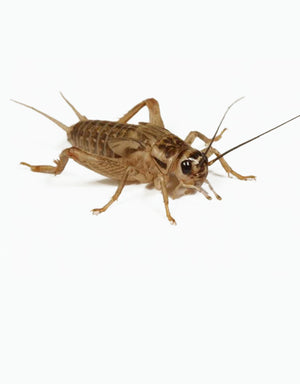
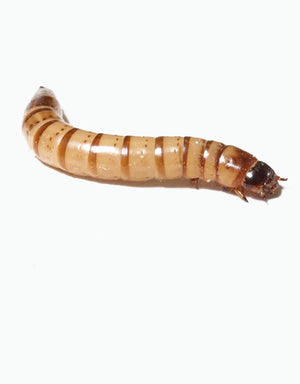
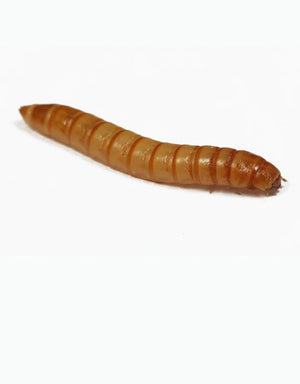
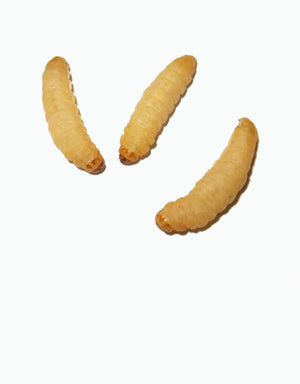
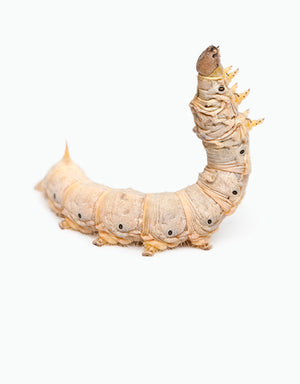
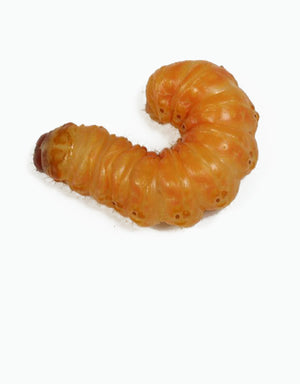
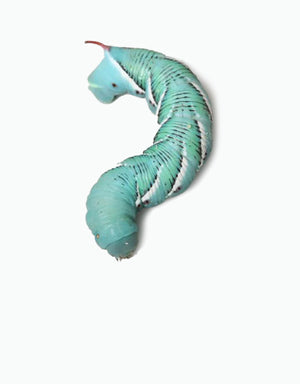
Feeding: Painted Agamas are primarily insectivores that thrive on a varied diet of appropriately sized feeder insects. Crickets, roaches, black soldier fly larvae, silkworms, hornworms, mealworms, superworms, and grasshoppers all make excellent food items when rotated regularly.
Offering a wide variety of feeders is far more beneficial than relying on only one or two staple insects. Gut loading feeder insects before feeding significantly improves their nutritional value and contributes to healthier reptiles. Small amounts of leafy greens, edible flowers, or finely chopped vegetables may occasionally be offered, although insects should continue to make up the majority of their diet.
Supplementation: Lightly dust feeder insects with calcium supplements on a regular basis while offering a quality reptile multivitamin periodically. When proper UVB lighting is provided, excessive Vitamin D3 supplementation should be avoided.
Water: It is very rare that you will ever see a healthy Painted Agama drink from standing water. They obtain much of their moisture from their food, but it does not hurt to provide clean drinking water in the enclosure. Water should be changed daily and the dish cleaned frequently to avoid bacteria buildup in unused standing water.

Health & Maintenance
Hygiene: Spot clean the enclosure daily by removing feces, shed skin, and leftover food before bacteria has an opportunity to accumulate. Conventional enclosures generally benefit from complete substrate replacement several times each year, while established bioactive systems often require considerably less maintenance. Water dishes and feeding bowls should be cleaned regularly to reduce bacterial growth.
Handling: Painted Agamas are naturally alert animals that often become surprisingly tame through regular, positive interaction. Newly acquired individuals may initially be cautious but usually gain confidence as they become familiar with their surroundings and their keeper. Rather than chasing them around the enclosure, we recommend allowing them to approach voluntarily whenever possible. Gentle, consistent interactions help build trust over time.
Behavioural observation: Healthy Painted Agamas spend much of the day basking, climbing, hunting insects, and actively exploring their enclosure. Bright alert eyes, a strong feeding response, regular basking, and confident movement are all excellent indicators of good health.
Watch for changes in appetite, persistent lethargy, swollen joints, wheezing, difficulty shedding, weight loss, or prolonged hiding. Like many reptiles, healthy adults may naturally become somewhat less active during cooler months even when maintained indoors.
Quarantine: Quarantine any new additions to your reptile collection to prevent the spread of diseases.
Common Questions
How big do painted agamas get?
Around 10 to 12 inches as adults. That is noticeably smaller than a bearded dragon, which is part of why they suit keepers who want an active, interactive lizard without the floor space a beardie needs.
What size enclosure does a painted agama need?
A 20-gallon breeder works for juveniles. Adults should move up to at least 36x18x18 inches. Height matters here more than it does for most desert lizards, because they naturally live on rocky hillsides and cliff faces and will use every vertical perch you give them.
How hot does a painted agama basking spot need to be?
100 to 110°F (38 to 43°C) at the surface. The warm side around it sits at 88 to 92°F, the cool side at 80 to 85°F, and nights can safely drop to 72 to 78°F.
Do painted agamas need UVB?
Yes. UVB is essential for calcium metabolism and healthy bone development. Run a reptile specific, high output linear fixture for roughly 12 hours a day. When UVB is done properly you should avoid heavy Vitamin D3 supplementation on top of it.
What do painted agamas eat?
They are primarily insectivores. Rotate crickets, roaches, black soldier fly larvae, silkworms, hornworms, mealworms, superworms and grasshoppers rather than relying on one staple. Gut load the insects first. Small amounts of leafy greens, edible flowers or chopped vegetables can be offered occasionally, but insects should stay the bulk of the diet.
Can you handle a painted agama?
Usually yes, with patience. They are alert animals that often become surprisingly tame through regular, calm interaction. New arrivals may be cautious at first. Let them come to you rather than chasing them around the enclosure.
All Reptiles, all the time.
Dragons and agamids in stock now
We carry the substrate, enclosures, UVB lighting and basking equipment covered in this guide at 1911 Kennedy Rd. Unit 99 in Toronto. Staff can walk you through a full setup in person.


