


















Crested Gecko Care Sheet


Introduction
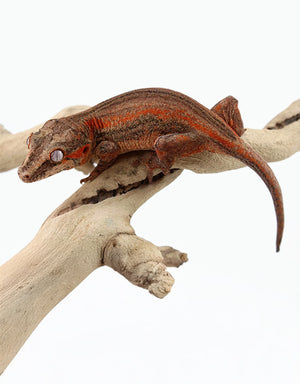
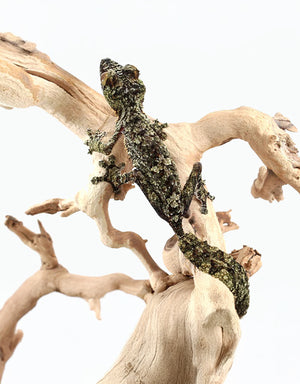
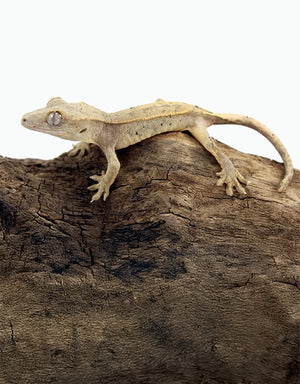
Crested Geckos (Correlophus ciliatus) are a popular choice for reptile enthusiasts due to their friendly temperament, unique appearance, and relatively easy care requirements. Native to New Caledonia in the South Pacific, Crested Geckos are known for their distinctive crests above their eyes and along their backs. They have also been captive bred for many generations leading to a large assortment of colours and patterns available. Their docile nature, combined with their adaptability to a variety of living environments, makes them an ideal choice for beginner reptile keepers.
Care sheets are only to be taken as guidelines. Just as with all animals, each reptile will have unique traits and personalities special to the individual animal that may require adaptation in their husbandry and care. The following care sheet will address basic requirements but as the primary caretaker of your pet, we encourage you to take notice of your pet's behaviours and preferences and make adjustments as they grow with you and your family. Please also keep in mind that unlike mammals, most reptiles change their behaviour according to the weather seasons even if you keep them indoors all year round.
We keep crested geckos in stock at our Toronto store and ship across Canada.

Cheat Sheet
Crested Gecko
| Common name | Crested Gecko |
|---|---|
| Scientific name | Correlophus ciliatus |
| Natural location | New Caledonia |
| Habitat (wild) | Sub Tropical |
| Captive enclosure | 12x12x18" – 18x18x24" and up |
| Substrate | Cypress mulch mixed with soils. ZM Forest Floor, Reptisoil, Zilla Jungle Mix |
| Temperature tolerance | Cooler: 70-74°F (21-23°C), Nighttime: 65-70°F (18-21°C) |
| Basking temperature | 72-78°F (22-26°C) |
| UVB lighting | Optional. Can be beneficial in small amounts. |
| Humidity | 50-70% |
| Average adult size | 5-7 inches |
| Captive lifespan | 15-20 years |
| Fun fact | Thought to be extinct until rediscovered in 1994 |
Housing
Enclosure: Crested Geckos are arboreal (tree-dwelling) creatures, so vertical space is very important. The enclosure should have plenty of height to accommodate climbing branches, plants, and shelves. A glass terrarium with a mesh lid is ideal for ventilation. We recommend starting with a 12x12x18" vertical enclosure and upgrading to 18x18x24" for an adult. Ensure the tank is well-secured to prevent escape, as these geckos are agile climbers.
Substrate: Choosing the right substrate will greatly contribute to maintaining the right humidity for your sub tropical gecko. We commonly see coco fibre recommended and used for Crested Geckos but we highly caution against it as it is often not used correctly. Coco fibre can dry quickly and when allowed to dry at the surface, will quickly pull moisture from your gecko if it gets into the eyes, mouth, or vent. This can lead to unfortunate and fatal accidents of suffocation and infections. It is crucial that your Crested Gecko setup maintains moderate to high humidity at all times. We recommend using either ZM Forest Floor or a mixture of Forest Floor with coco fibre, or Repti Soil, or Jungle Mix, and it must be kept damp at all times with good ventilation in your terrarium.
Temperature: Crested Geckos absolutely thrive at a reasonable room temperature, making them an ideal pet if you do not want to run additional heat. During the day, they are comfortable between 72-78°F (22-26°C). At night, temperatures can drop to 65-70°F (18-21°C), but it is preferred to stay around 70-74°F (21-24°C). It is important to maintain a gentle temperature gradient within the enclosure to allow the gecko to choose its preferred range. Use a digital thermometer to monitor temperatures, and avoid placing heat sources directly in the enclosure, as overheating can stress the gecko.
Lighting and heating: Crested Geckos are a nocturnal species and are typically uncomfortable around any bright lights. For this reason, we do not recommend using lighting for this species unless it is an infrared or otherwise dark lighting simply for your own viewing pleasure. UVB lighting is not required but can absolutely provide some benefits when provided in small amounts. Instead of heat lighting, we highly recommend a reasonable room temperature of 72-74°F (22-23°C). If additional heat is required, choose a low wattage infrared light or radiant heat to achieve 72-74°F (22-23°C) during the day.
Decor: Crested Geckos are arboreal, so the enclosure should include branches, vines, and artificial plants for climbing and hiding. Crested Geckos love elevated hiding spots and ledges and will make great use of them if provided. They will also benefit from an elevated feeding dish. The hides should be dark and enclosed to allow the gecko to feel secure. Adding foliage and vertical elements like cork bark will help mimic their natural habitat and provide enrichment.
Diet
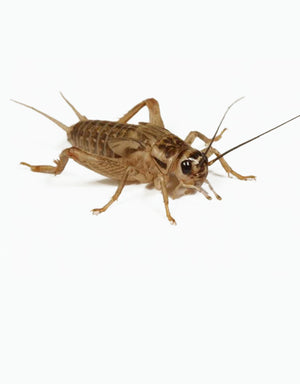
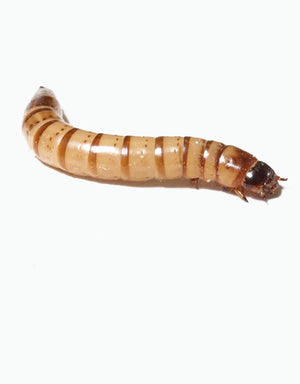
Feeding: Crested Geckos are omnivores, and their diet consists of a variety of foods. In captivity, they are typically fed a specially formulated Crested Gecko diet powder, such as Repashy or Pangea, as their primary food source. This provides all the necessary nutrients, including calcium and vitamins. In addition to the powder, you can offer occasional live insects, such as crickets, roaches, and other small worms, as a source of protein. Feed juvenile Crested Geckos every other day, while adults can be fed every 3-4 days.
Gut loading: Gut-load insects with nutritious foods before feeding them to your gecko to ensure optimal nutritional value.
Supplementation: Supplementation is typically not required if you are feeding with a good quality gecko diet powder but it does not hurt to occasionally offer lightly dusted insects with calcium powder as a fortified treat.
Water: Fresh water should be provided in the form of generous daily misting. A healthy Crested Gecko will not drink from a stagnant water dish as they much prefer drinking from slow moving water or water droplets from misting. A water dish will remain unused and will collect unnecessary bacteria in your enclosure.

Health & Maintenance
Hygiene: Crested Geckos will rarely relieve themselves on the ground. You will find evidence of their droppings more likely on the glass or on your elevated decor. Spot clean regularly whenever you see it by wiping with a damp washcloth to prevent bacteria build up and general cleanliness. We recommend a full substrate change once per season, 4 times a year. Wood and plant decor can be washed occasionally with hot water and put back into place. Or you can build a bioactive terrarium for self cleaning properties.
Handling: Crested Geckos are generally calm and enjoy handling once they are accustomed to it. Begin by allowing your gecko to adjust to its new environment for at least a few days before handling. When handling, support the gecko's body with both hands, as they are light and delicate and do not be alarmed if they jump. Avoid handling too frequently when they are young, as it can cause stress. Limit handling to short but frequent sessions and ensure you handle the gecko gently, avoiding any sudden movements. Never hold them by the tail, as they can drop it as a defense mechanism.
Once a Crested Gecko drops its tail, it will be lost forever as it is a one time use for this species. Do not panic if it happens though, they will heal within a day and live a normal tailless life happily ever after. Wash your hands before and after handling to prevent the spread of bacteria.
Behavioural observation: Crested Geckos are nocturnal and most active during the night. During the day, they tend to be more passive and hide. Crested Geckos can become accustomed to human interaction and may even recognize their owner over time. They are also known for their ability to leap from surfaces, which is a natural part of their behaviour when exploring their environment. Monitor your gecko's behaviour for signs of illness or stress, such as lethargy, abnormal stool, stuck shed, sunken eyes, or visible weight loss. Any ailments to Crested Geckos are usually due to improper humidity in their environments.
Quarantine: Quarantine any new additions to your reptile collection to prevent the spread of diseases.
Common Questions
Are crested geckos good for beginners?
Yes. They are docile, they thrive at normal room temperature without extra heating equipment, and they adapt well to a range of setups. That combination makes them one of the easier reptiles to start with.
How often do crested geckos need to be fed?
Juveniles are fed every other day. Adults are fed every 3 to 4 days. The main food is a prepared crested gecko diet powder, with live insects offered occasionally.
Do crested geckos need a heat lamp?
Usually not. A room held around 72-74°F (22-23°C) is enough. If your room runs colder, use a low wattage infrared light or radiant heat rather than a bright basking bulb, since this is a nocturnal species.
Do crested geckos grow their tail back?
No. A crested gecko can drop its tail once and it will not regrow. The gecko heals quickly and lives a normal life without it.
How long do crested geckos live?
15 to 20 years in captivity, so this is a long term commitment.
What size enclosure does a crested gecko need?
Start at 12x12x18" for a juvenile and move up to 18x18x24" or larger for an adult. Height matters more than floor space because they are tree dwellers.
All Reptiles, all the time.
Crested geckos in stock now
We carry crested geckos, along with the substrate, enclosures, diet powder and decor covered in this guide, at 1911 Kennedy Rd. Unit 99 in Toronto. Staff can walk you through a full setup in person.


