
















Leopard Tortoise Care Sheet


Introduction
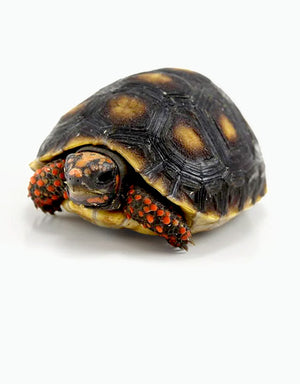
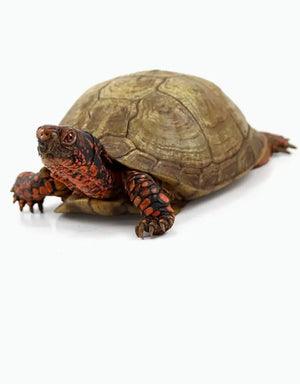
The Leopard Tortoise (Stigmochelys pardalis) is a large, herbivorous tortoise native to the savannas and grasslands of eastern and southern Africa. Known for its stunning, yellow-and-black patterned shell, the Leopard Tortoise is a relatively hardy species but requires a suitable environment to thrive in captivity. They are active, terrestrial creatures that can live for over 60 years with proper care, making them life long companions for dedicated reptile enthusiasts.
Care sheets are only to be taken as guidelines. Just as with all animals, each reptile will have unique traits and personalities special to the individual animal that may require adaptation in their husbandry and care. The following care sheet will address basic requirements but as the primary caretaker of your pet, we encourage you to take notice of your pet's behaviours and preferences and make adjustments as they grow with you and your family. Please also keep in mind that unlike mammals, most reptiles change their behaviour according to the weather seasons even if you keep them indoors all year round.
We keep leopard tortoises in stock at our Toronto store and ship across Canada.

Cheat Sheet
Leopard Tortoise
| Common name | Leopard Tortoise |
|---|---|
| Scientific name | Stigmochelys pardalis |
| Natural location | Eastern and Southern Africa |
| Habitat (wild) | Semi-arid, Open Savannas and Grasslands |
| Captive enclosure | 30-90gal for hatchlings/juveniles, 4'x8' and up for subadults and adults |
| Substrate | Dry, Sandy, Grassy, and diggable with pockets of humidity |
| Temperature tolerance | Cooler: 75-85°F (24-29°C), Nighttime: 65-72°F (18-23°C) |
| Basking temperature | 95-100°F (35-38°C) |
| UVB lighting | Essential. 10-12 hours a day, +/- 2hrs for seasonal adjustment if desired |
| Humidity | 40-60% |
| Average adult size | 12-18 inches, 18-35lbs |
| Captive lifespan | 60 years + |
| Fun fact | Can have an attitude and is naturally territorial |
Housing
Enclosure: Leopard Tortoises are large, active reptiles that require plenty of space to move around, as their high activity levels demand a spacious environment. Juvenile tortoises can be housed in 30-90 gallon terrariums for the first few years, depending on their size. While Leopard Tortoises are a hardy species, juveniles are more sensitive to environmental conditions, and it is often recommended to start them in a smaller space during the first two years. This allows for closer monitoring of their needs and habits as they grow.
For a single subadult or adult tortoise (over 10 years old), the minimum recommended indoor enclosure size is 4' x 8', although larger enclosures are ideal, especially for outdoor setups. Enclosures for larger ones must have tall walls to prevent escapes and be securely sealed at the bottom to prevent burrowing, as Leopard Tortoises are skilled diggers. Enclosures should also include areas with high-quality UVB lighting and heat, along with shaded spots for temperature regulation.
While Leopard Tortoises are semi-desert species, juveniles are particularly vulnerable to dehydration if the humidity is too low. In the wild, young tortoises spend a lot of time in burrows or sheltered areas beneath damp vegetation to avoid the harsh environment. Therefore, contrary to popular belief, providing some humidity in their enclosure is crucial for their health and well-being.
Substrate: The substrate should mimic the natural environment of the Leopard Tortoise, which is usually dry, sandy, and grassy. Good choices for substrate include a mix of soil blends, coconut fibre, sand, and mulch. For a beginner starter setup, using a 50/50 mix of soil blends (such as Repti Soil) and cypress mulch will suffice very well. Ensure that the depth of the substrate is sufficient enough for digging.
Temperature: Leopard Tortoises are warm-climate animals, and maintaining proper temperatures is crucial for their health. The basking area should be kept between 95-100°F (35-38°C), while the ambient temperature of the enclosure should range between 75-85°F (24-29°C). Nighttime temperatures can drop to around 65-75°F (18-24°C). Heating can be maintained by using basking lights, emitters, and radiant projectors.
Humidity: In general, Leopard Tortoises do not require high humidity but should not be kept in excessively dry conditions. Established subadults and adults are much more adept to sustain dryer conditions but juveniles must be provided some humidity. The humidity level should be kept around 40-60%. Humidity that is too high can lead to respiratory infections, while very dry environments can cause dehydration and shell issues. To monitor and adjust humidity, regular misting of the substrate and providing a shallow water dish can help maintain appropriate levels. However, be cautious not to soak the substrate too much. A spacious humid hide is highly recommended for baby Leopard Tortoises.
Lighting: Provide UVB lighting for 10-14 hours a day to support proper calcium and vitamin D3 metabolism and overall health. Use a full-spectrum UVB bulb specifically designed for reptiles. UVB lighting can be provided in the form of linear fluorescent, compact fluorescent, mercury vapour, and more recent technology provides UVB lighting in LED form as well. Heating bulbs can be provided by basking heat bulbs, heat emitters, or deep heat projectors. The amount of lighting you need will depend on the size of your setup and temperature of the room the enclosure stays in. Typically, the larger the enclosure, the more lighting you will need.
Diet
Feeding: Leopard Tortoises are strict herbivores requiring fibre rich vegetation. Their diet primarily consists of grasses, weeds, and leaves. Offer a variety of fresh grasses, such as dandelion, clover, and timothy hay or other blends of hay. It is important to provide high-fibre, low-protein foods to prevent shell deformities and kidney issues. Avoid feeding them too much lettuce or other high-water-content vegetables that can lead to digestive issues. Leafy greens such as collard greens, mustard greens, and turnip greens can be given in moderation. Fresh fruits, such as berries or melon, can be offered as occasional treats but should be kept to a minimum. Avoid foods high in protein, sugar, or oxalates.
Supplementation: Since Leopard Tortoises need a high calcium diet to support shell growth and overall health, calcium supplements are highly recommended. Provide a calcium powder that does not contain or is low in phosphorus or vitamin D3 (since UVB light provides the necessary vitamin D3 already). Dust your tortoise's food with calcium powder a few times a week, or provide a calcium block or cuttlebones in the enclosure for self dosing. Additionally, a multivitamin supplement with vitamin A may be given occasionally, but it is important not to over-supplement, as excess vitamins can cause health issues.
Water: Provide fresh water daily in a dish that is easily accessible to drink safely from and soak in.

Health & Maintenance
Hygiene: Spot clean your enclosure on a daily basis removing uneaten food, feces, and soiled substrate to prevent bacteria build up and general cleanliness. Leopard Tortoises often defecate in their clean water and it is essential to change this water frequently. Periodically, you should perform a full substrate change and thoroughly disinfect all surfaces of the enclosure to prevent bacterial and fungal growth. Wood and plant decor can be washed monthly or bi monthly with hot water and dish soap and put back into place. Large pieces of wood can be disinfected by strong direct sunlight on very clear hot sunny days for 3 days.
Handling: Leopard Tortoises are generally not fond of being handled, especially in the wild, where they may associate humans with danger. When handling a Leopard Tortoise, do so gently and with care. Support its body properly by placing a steady hand underneath the shell to avoid stressing the animal, and never pick it up by the legs. Leopard Tortoises are very smart and in captivity, they do tend to learn who their keepers are and will appreciate pats on the shell and even gentle rubs on their necks and limbs over time.
Behavioural observation: Leopard Tortoises are active, foraging creatures, and they tend to spend a lot of time grazing, walking around their enclosure, and interacting with their environment. They are generally solitary but can live peacefully with other tortoises of the same species if ample space is provided. Pay attention to their behaviour to ensure they are healthy. A healthy tortoise will be active, feeding well, and regularly soaking or drinking water. If the tortoise becomes lethargic, stops eating, or shows signs of respiratory distress, it may be a sign of illness, and a vet should be consulted promptly.
Quarantine: Quarantine any new additions to your reptile collection to prevent the spread of diseases.
Common Questions
How big does a leopard tortoise get?
12 to 18 inches and 18 to 35 pounds. That is a large animal that needs a large enclosure, which is the single thing most new keepers underestimate.
How long do leopard tortoises live?
Over 60 years with proper care. This is a lifetime commitment, and often one that outlives the person who buys it. Worth planning for before you take one home.
What size enclosure does a leopard tortoise need?
30 to 90 gallon terrariums work for juveniles through the first few years. Adults need a minimum of 4 by 8 feet indoors, larger if you can, and outdoor setups are ideal. Walls have to be tall enough to stop escapes and sealed at the bottom, because they dig well.
Do leopard tortoises need humidity?
Yes, and this catches people out. They are a semi-desert species, so the assumption is bone dry. Juveniles in particular dehydrate easily and need a humid hide. Keep the enclosure around 40 to 60%.
What do leopard tortoises eat?
Grasses, weeds and leaves. High fibre, low protein. Dandelion, clover and timothy or other hay blends are the staples. Leafy greens in moderation, fruit rarely, and avoid anything high in protein, sugar or oxalates. Too much lettuce causes digestive trouble.
Can leopard tortoises be housed together?
They are generally solitary but will live peacefully with others of the same species if there is genuinely enough space. Cramped housing is where the territorial side shows up.
All Reptiles, all the time.
Leopard tortoises in stock now
We carry leopard tortoises, along with the enclosures, substrate, UVB lighting and basking equipment covered in this guide, at 1911 Kennedy Rd. Unit 99 in Toronto. Staff can walk you through a full setup in person.


