
















Fiji Iguana Care Sheet


Introduction
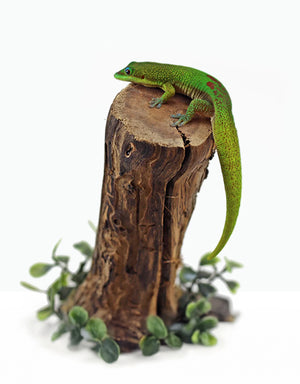
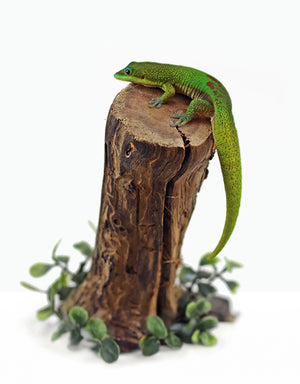
Fiji Iguanas (Brachylophus fasciatus) are strikingly beautiful, rare, and highly protected reptiles native to the islands of Fiji. These arboreal lizards are known for their vivid lime green colouration with blue or white banded markings, strong climbing abilities, and shy but sweet and gentle nature. Due to their conservation status, they are primarily found in zoological institutions and specialized breeding programs. We are incredibly lucky here in Canada to have a handful of very dedicated captive breeders that are able to slowly release these animals into other dedicated captive keepers' care.
Care sheets are only to be taken as guidelines. Just as with all animals, each reptile will have unique traits and personalities special to the individual animal that may require adaptation in their husbandry and care. The following care sheet will address basic requirements but as the primary caretaker of your pet, we encourage you to take notice of your pet's behaviours and preferences and make adjustments as they grow with you and your family. Please also keep in mind that unlike mammals, most reptiles change their behaviour according to the weather seasons even if you keep them indoors all year round.
We keep lizards in stock at our Toronto store and ship across Canada.

Cheat Sheet
Fiji Iguana
| Common name | Fiji Iguana |
|---|---|
| Scientific name | Brachylophus fasciatus |
| Natural location | Endemic to The Islands of Fiji |
| Habitat (wild) | Tropical Coastal Dry Forest |
| Captive enclosure | 2'x18"x2' for hatchlings/juveniles, 3'x2'x4' and up for subadults and adults |
| Substrate | Cypress mulch, soil blends, Reptisoil, reptile bark mixes, or full water paludarium |
| Temperature tolerance | Cooler: 80-85°F (27-29°C), Nighttime: 70-75°F (21-24°C) |
| Basking temperature | 85-90°F (29-32°C) |
| UVB lighting | Essential. 12 hours a day |
| Humidity | 60-80% |
| Average adult size | 6-7" plus tail, the tail is twice as long as the whole body |
| Captive lifespan | 15+ years |
| Fun fact | Listed as Critically Endangered in the wild |
Housing
Enclosure: Fiji Iguanas may be one of the smallest iguana species, but they still require plenty of space. The larger their enclosure, the better they will thrive. A spacious, well-ventilated setup that allows for ample climbing and exploration is ideal. For a pair of adults, a vertically oriented enclosure measuring at least 4x2x4' is recommended. A custom-built screen or glass terrarium with excellent ventilation works best. Juveniles can be comfortably housed in a 24x18x24" enclosure. To ensure their safety, secure latching doors are essential to prevent escapes.
Substrate: A bioactive substrate or moisture retaining options such as cypress mulch, coconut husk, or reptile bark with soil blends work well. Avoid overly dusty or excessively damp substrates, as these can cause bacterial build up and skin issues. Fiji Iguanas can also do very well in advanced paludarium setups where the bottoms are filled with clean running water.
Temperature: Fiji Iguanas thrive in a moderate, consistently warm climate. The basking area should be maintained between 85-95°F (29-35°C), while the cooler side of the enclosure should range from 75-80°F (24-27°C). At night, temperatures can safely drop to around 70°F (21°C). Proper heating can be achieved using basking lights, halogen lamps, and deep heat projectors to create a stable and comfortable environment without overheating. Larger appropriate enclosures will help these animals thermo-regulate as needed.
Humidity: Fiji Iguanas thrive in environments with steady moderate to high humidity levels around 60-80%. Regular misting and the use of a high-quality hygrometer are highly advised to maintain appropriate moisture levels. Live plants, a misting system, or a reptile fogger can help create a stable, humid environment without causing excessive dampness.
Lighting: UVB lighting is essential for Fiji Iguanas to synthesize vitamin D3 and properly metabolize calcium. Use a full-spectrum UVB bulb specifically designed for reptiles. UVB lighting can be provided in the form of linear fluorescent, mercury vapour, and more recent technology provides UVB lighting in LED form as well. We advise against the use of economy compact fluorescent UVB lights for this species as they are not high quality enough. Heating bulbs can be provided by basking heat bulbs, heat emitters, or deep heat projectors. The amount of lighting you need will depend on the size of your setup and temperature of the room the enclosure stays in. Typically, the larger the enclosure, the more lighting you will need.
Decor: As arboreal reptiles, Fiji Iguanas need plenty of climbing branches, vines, and foliage to feel secure. Provide enrichment and mimic their natural environment by using a combination of natural wood branches, cork bark, and live or artificial plants. We suggest using lots of broad leaf plants in your enclosure to mimic a tropical environment. Hiding spots at different heights should be provided to reduce stress and sturdy horizontal basking areas are highly recommended.
Diet
Feeding: Fiji Iguanas are primarily herbivorous, feeding on a variety of leafy greens, flowers, and fruits. A balanced diet should include dark, leafy greens such as collard greens, dandelion greens, hibiscus leaves, and kale, bok choy greens, and mustard greens. Edible flowers and occasional fruits like papaya, mango, and berries can be offered in moderation. Offer high oxalate foods in small amounts only such as spinach and swiss chard.
Supplementation: Providing a robust diverse diet will usually provide all the vitamins and nutrition they need. If you want, you can offer light supplementation of calcium, vitamin A or multivitamin in small amounts once per week. It is very important to not over supplement, especially for young iguanas as over supplementation can cause more harm than good. The best strategy is to provide high quality UVB lighting and a diverse nutritious diet.
Water: Fiji Iguanas must stay hydrated at all times. They will obtain much of their hydration from food and regular misting but will also benefit from having a large water dish available with clean fresh water daily. Misting regularly encourages drinking behavior, as they often lap up water droplets from leaves which is how they typically drink water in their natural habitats.

Health & Maintenance
Hygiene: A clean environment is critical for the health of Fiji Iguanas. Spot clean daily by removing uneaten food and waste. Substrates should be replaced or refreshed as needed, and the enclosure should be deep cleaned monthly with reptile safe disinfectants. A bioactive setup will reduce the need to clean the substrate so frequently and will likely just need regular cleaning of the plastic or glass walls. Water dishes should be cleaned and refilled with fresh water daily.
Handling: Fiji Iguanas can be shy and easily stressed by excessive handling. Gentle, minimal handling is recommended to allow them to acclimate to human interaction. Always support their body and avoid restraining them forcefully. Over time, this species will typically learn to recognize their keepers and some individuals may become more tolerant of handling.
Behavioural observation: Fiji Iguanas are active, alert, and highly arboreal. They may exhibit territorial behaviors, especially males, and use body language such as head-bobbing to communicate. A healthy iguana should be bright-eyed, responsive, and regularly basking or foraging. Any signs of lethargy, weight loss, or abnormal behaviors should be addressed promptly with a reptile veterinarian. Providing a proper environment, diet, and care will ensure a healthy and thriving Fiji iguana. These incredible lizards require a dedicated keeper, but their stunning appearance and fascinating behaviors make them a rewarding species to work with.
Quarantine: Quarantine any new additions to your reptile collection to prevent the spread of diseases.
Common Questions
Why are Fiji iguanas so rare?
They are listed as Critically Endangered in the wild and are highly protected, so most live in zoological institutions and specialised breeding programs. A small number of dedicated captive breeders in Canada place them with other experienced keepers.
How big do Fiji iguanas get?
6 to 7 inches in the body, with a tail twice as long again. They are one of the smallest iguana species, which does not mean they need a small enclosure.
What size enclosure does a Fiji iguana need?
Juveniles do well in 24x18x24 inches. A pair of adults needs a vertically oriented enclosure of at least 4x2x4 feet, and bigger is better. Height matters, since these are arboreal animals that climb constantly.
What do Fiji iguanas eat?
Mostly plants. Dark leafy greens make up the bulk, with edible flowers and occasional fruit like papaya, mango and berries as treats. Keep high oxalate foods such as spinach and swiss chard to small amounts.
Do Fiji iguanas need UVB?
Yes, it is essential for synthesising vitamin D3 and metabolising calcium. Use a quality full-spectrum bulb. Economy compact fluorescent UVB lights are specifically not recommended for this species.
Can you handle a Fiji iguana?
Gently and rarely. They are shy and stress easily. Support the body, never restrain, and let tolerance build over time. Many will come to recognise their keeper.
All Reptiles, all the time.
Live lizards in stock now
We carry the substrates, UVB lighting, basking bulbs, deep heat projectors, misting systems and climbing branches covered in this guide at 1911 Kennedy Rd. Unit 99 in Toronto. Staff can walk you through a full setup in person.


