
















Ball Python Care Sheet


Introduction
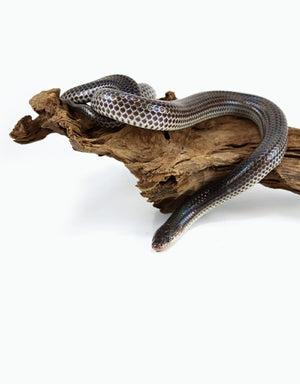
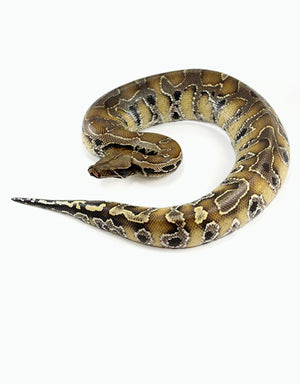
Ball Pythons (Python regius) are beloved pet snakes known for their docile nature, manageable size, and beautiful coloration. Proper care is essential for maintaining the health and well-being of these fascinating reptiles. Below are guidelines to help you provide optimal care for your ball python.
Care sheets are only to be taken as guidelines. Just as with all animals, each reptile will have unique traits and personalities special to the individual animal that may require adaptation in their husbandry and care. The following care sheet will address basic requirements but as the primary caretaker of your pet, we encourage you to take notice of your pet's behaviours and preferences and make adjustments as they grow with you and your family. Please also keep in mind that unlike mammals, most reptiles change their behaviour according to seasonal weather changes even if you keep them indoors all year round. Most reptiles also change their behaviour according to their life stages and should not be expected to behave the same their whole life.
We keep ball pythons in stock at our Toronto store and ship across Canada.

Cheat Sheet
Ball Python
| Common name | Ball Python |
|---|---|
| Scientific name | Python regius |
| Natural location | Sub-Saharan Africa |
| Habitat (wild) | Savannahs, Grasslands, and Open Forests |
| Captive enclosure | 15-20gal for hatchlings/juveniles, 40-90gal+ for adults |
| Substrate | Cypress Mulch, Loose Bark, Coco Husk, Aspen |
| Temperature tolerance | Cooler: 72-78°F (22-25°C), Nighttime: 68-75°F (20-24°C) |
| Basking temperature | 90-95°F (32-35°C) |
| UVB lighting | Optional. Can be beneficial in small amounts. |
| Humidity | Approx. 50%-60% |
| Average adult size | 4-5 feet |
| Captive lifespan | 20-30 years |
| Fun fact | Cleopatra, the queen of Egypt, is believed to have had pet ball pythons |
Housing
Enclosure: Provide a secure enclosure with enough space for your Ball Python to stretch out comfortably. A 15-20-gallon tank is suitable for juveniles, while adults will require a larger enclosure, such as a 40-gallon tank or larger. Keep in mind that the larger the enclosure, the more you will have to heat and furnish it to provide adequate husbandry.
Substrate: Choose a substrate that retains moisture without being overly damp, such as cypress mulch, coconut husk, or reptile bark bedding. You can also use aspen shavings if you are able to provide adequate air humidity. Avoid substrates that may cause infections in the eyes, mouth, and vents such as coco fibre or sand.
Heating: Maintain a thermal gradient within the enclosure, with a warm side temperature of 85-92°F (30-33°C) and a cool side temperature of 72-78°F (22-25°C). Provide a basking spot reaching 90-95°F (32-35°C). Use dark heat lamps, heat pads, ceramic heat emitters, or radiant heat to achieve and maintain these temperatures. We recommend heat pads and radiant heat over heat lamps due the high likelihood of heat lamps drying out the enclosure, causing humidity very difficult to maintain. We also highly advise against the use of any overhead light that produces a bright or white light as this will cause your Ball Python to never come out of hiding, due to its nocturnal nature.
Hide spots: One hide spot is often enough but the more the merrier. If only offering one, ensure that it is situated on the warm side. If you have the space, at least two is ideal, one on the warm side and one on the cool side of the enclosure, to allow your Ball Python to thermo-regulate and feel secure. Half logs, cork bark, and commercially available hides are suitable options. You may also want to turn your cool side hide into a humid cave.
Humidity: Maintain humidity levels between 50-60% for most of the enclosure if you can. Mist the enclosure as needed and provide a humidity hide filled with damp sphagnum moss to aid in shedding if you are having trouble maintaining humidity in the enclosure as a whole.
Diet
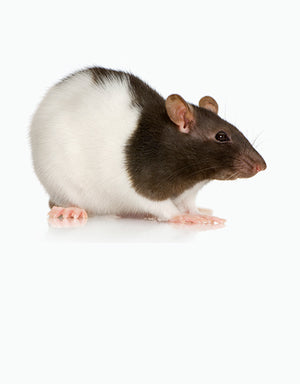
Feeding: Offer appropriately sized prey items every 7-10 days for juveniles and every 7-14 days for adults, with prey items matching the girth of the snake's thickest part. Rats are ideal prey. Mice are only suitable for snakes under 5 months old, as long-term feeding with mice often leads to undersized growth and malnourishment.
Ball Pythons are famous for their hunger strikes. It is important to understand that they are not being difficult during this time and it is normal for a healthy Ball Python to experience yearly brumation to rest their bodies. During brumation, Ball Pythons naturally do not need to eat, and this process should be respected as long as they do not lose visible weight. As they age, their feeding frequency typically decreases, with very mature Ball Pythons over 15 years old often eating only once a month, provided the meal is appropriately sized.
There is strong debate over feeding live versus frozen thawed and there are pros and cons to both. Nutritionally, one is not better than the other assuming you have acquired your feed from a healthy source. Never leave a live rodent unsupervised with your snake and never leave an uneaten frozen or thawed rodent to decompose overnight. To read more about feeding live versus frozen and thawed, see Karen's Corner.
Water: Provide a water dish filled with fresh, clean water at all times. Ensure the water dish is large enough for your Ball Python to soak in if desired.

Health & Maintenance
Hygiene: Your Ball Python will only relieve itself once every 7-10 days on average. Over time, you will learn your snake's bathroom routines. Look out for it regularly and remove all excrements as soon as you see it to prevent the buildup of bacteria and parasites. Remove excrements, shed skin, and uneaten prey items promptly. You may notice small chunks of a white chalky substance. This is called urates and should be removed promptly as well. We recommend a full substrate change once per season, 4 times a year. Wood and plant decor can be washed monthly with hot water and dish soap and put back into place.
Handling: Ball Pythons can be handled quite frequently and will often curl up against the warmth of your body. Handle your Ball Python confidently, supporting its body to prevent discomfort. Avoid handling during the shedding process or after feeding to minimize stress. Wash your hands before and after handling to prevent the spread of bacteria.
Behavioural observation: Ball Pythons are very curious and have adapted extremely well to domestic life. They will enjoy lots of time outside of their enclosure and appreciate careful and confident handling from their human families. Monitor your Ball Python's behaviour for signs of illness or stress, such as excessive decreased appetite, lethargy, abnormal shedding, wheezing, excessive drooling, and lumps or bumps.
Keep in mind that it is normal for healthy adults to go through lengthy durations of not eating sometimes, and every winter most adult Ball Pythons will go through brumation for anywhere from 2-6 months of semi sleep state. A healthy and well fed Ball Python will always have strong muscle tissue and holds itself up well, even when you wake it up from brumation.
Quarantine: Quarantine any new additions to your reptile collection to prevent the spread of diseases.
Common Questions
Why is my ball python not eating?
Usually because it is brumating, not because anything is wrong. Ball pythons naturally go off food for stretches, often 2 to 6 months over winter. As long as the snake is not losing visible weight and still holds itself up with strong muscle tone, this is normal and should be respected.
How often do ball pythons need to be fed?
Every 7 to 10 days for juveniles, every 7 to 14 days for adults. Prey should match the girth of the snake's thickest part. Very mature snakes over 15 years old often eat only once a month.
Should I feed live or frozen?
Nutritionally neither is better, assuming the feeder came from a healthy source. Never leave a live rodent alone with your snake, and never leave an uneaten thawed rodent overnight.
What size enclosure does a ball python need?
15 to 20 gallons for hatchlings and juveniles. Adults need 40 gallons or larger. Remember that a bigger enclosure takes more heating and more furnishing to get right.
Do ball pythons need a heat lamp?
Heat pads and radiant heat are preferred over heat lamps, because lamps dry the enclosure out and make humidity hard to hold. Avoid bright white overhead light entirely, since ball pythons are nocturnal and will simply stay hidden.
How long do ball pythons live?
20 to 30 years in captivity. This is a long commitment, longer than most people expect.
All Reptiles, all the time.
Ball pythons in stock now
We carry ball pythons, along with the substrate, enclosures, heating and hides covered in this guide, at 1911 Kennedy Rd. Unit 99 in Toronto. Staff can walk you through a full setup in person.


