
















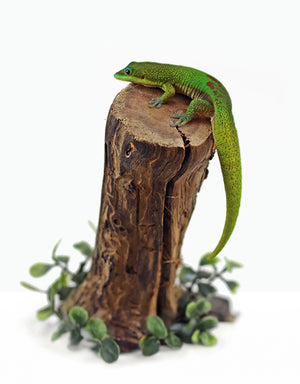
Chinese Cave Gecko Care Sheet


Introduction
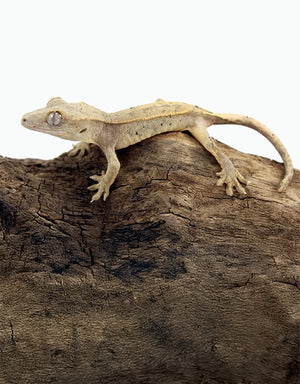
Chinese Cave Geckos (Goniurosaurus hainanensis) are a fascinating group of geckos known for their unique adaptations to life in dark, humid caves and rocky environments. They are also well known for their large red eyes, ranging from maroon to crimson. Endemic to the Hainan Island of China, these nocturnal geckos are commonly found in dark and cool crevices and caves in their natural habitats. They typically have a more reserved, secretive nature compared to more common pet geckos, making them perfect for enthusiasts seeking a more low-key reptile.
Care sheets are only to be taken as guidelines. Just as with all animals, each reptile will have unique traits and personalities special to the individual animal that may require adaptation in their husbandry and care. The following care sheet will address basic requirements but as the primary caretaker of your pet, we encourage you to take notice of your pet's behaviours and preferences and make adjustments as they grow with you and your family. Please also keep in mind that unlike mammals, most reptiles change their behaviour according to the weather seasons even if you keep them indoors all year round.
We keep geckos in stock at our Toronto store and ship across Canada.

Cheat Sheet
Chinese Cave Gecko
| Common name | Chinese Cave Gecko |
|---|---|
| Scientific name | Goniurosaurus hainanensis |
| Natural location | Hainan Island of China |
| Habitat (wild) | Limestone caves |
| Captive enclosure | 5-10gal for hatchlings/juveniles, 15-20gal for adults |
| Substrate | Moisture retaining soil blends with mulch or rocks and moss |
| Temperature tolerance | Cooler: 75-80°F (24-27°C), Nighttime: 70-75°F (21-24°C) |
| Basking temperature | 68-72°F (20-22°C) |
| UVB lighting | Optional. Can be beneficial in very small amounts |
| Humidity | 50-70% |
| Average adult size | 6-8 inches |
| Captive lifespan | 15-20 years |
| Fun fact | Bright lights are harmful to the highly pigmented retinal cells in their eyes |
Housing
Enclosure: Cave Geckos do best in small cramped spaces due to their very elusive cave dwelling behaviour. Provide a spacious enclosure with adequate ventilation. Hatchlings and young juveniles do best in small enclosures between 5-10 gallons. Adults do best in 15-20 gallons. Being very adept to climbing in their natural rocky cave dwellings, they can benefit well from both horizontally and vertically oriented setups. They do not like heat so always place your enclosure in a spot that is cool and away from direct light.
Substrate: For substrate, choose one that retains moisture without becoming too wet. Options include coconut fiber, soil blends, mulch, moss, and pebble bottom basins with slow running water. These geckos do like to do a bit of digging so provide enough space for them to do so. This species needs moderate to high humidity and loves to find pockets of consistent high humidity.
Temperature & Humidity: You can provide warm areas in your tank not exceeding 82°F (28°C), but cooler temperatures are preferred. For this reason, this species does very well at room temperature and is favoured amongst keepers that do not wish to run electrical heating. Maintain a gradient of temperatures within the enclosure, with an ambient temperature of 70-75°F (21-24°C) during the day. At night, temperatures can drop to 65-70°F (18-21°C). Humidity levels should be maintained at 50-70% to replicate their natural cave-like environment. To achieve this, regular misting of the enclosure or the use of a humid hide with moist sphagnum moss will help maintain proper humidity levels and support healthy shedding and breathing. Be mindful not to let the humidity become stagnant in the enclosure.
Lighting & Heating: Cave Geckos are a nocturnal species and are typically uncomfortable around any bright lights. For this reason, we do not recommend using lighting for this species unless it is an infrared or otherwise dark lighting simply for your own viewing pleasure. UVB lighting is not required but can absolutely provide some benefits when provided in small amounts. Instead of heat lighting, we highly recommend heat pads to provide heat through the ground or simply a warm room ambiance with no additional heating. Their environment should remain relatively dark, with light in the room only used to regulate day and night cycles.
Decor: For decor, provide plenty of climbing structures, such as branches, rocks, and artificial caves, to mimic their natural habitat. Hiding spots are crucial, as cave geckos are shy and prefer to retreat to dark, secure places. Creating multiple hides in various areas of the enclosure will help them feel secure. You can also add live or artificial plants to further enhance the environment. Just ensure the decor is sturdy and not prone to tipping over.
Diet
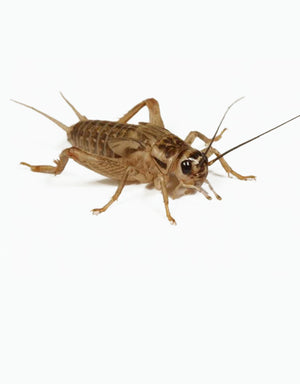
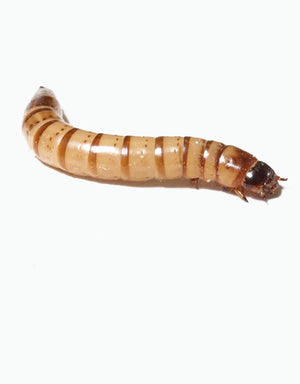
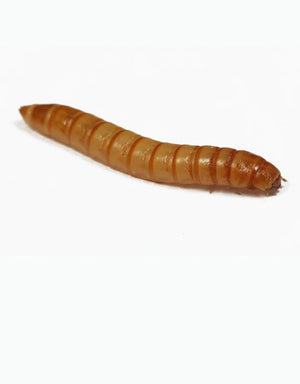
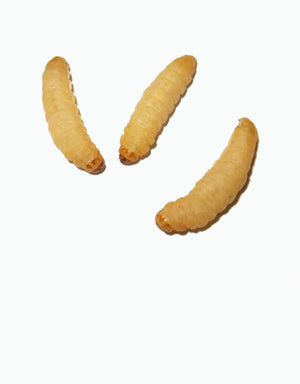
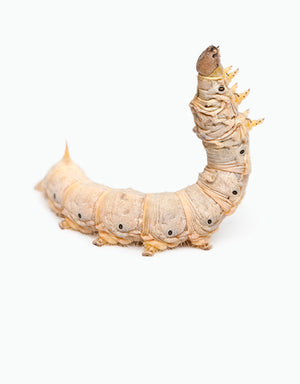
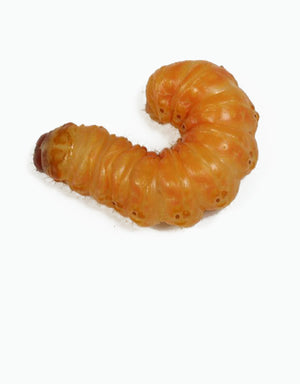
Feeding: Cave Geckos are insectivores and should be fed a variety of live insects including crickets, mealworms, roaches, waxworms, silkworms, hornworms, and black soldier fly larvae. They like prey that move a lot and most can live on quality crickets their whole lives. Always ensure that the size of the prey is appropriate for your gecko and not too large.
Gut loading: Gut-load insects with nutritious foods before feeding them to your gecko to ensure optimal nutritional value.
Supplementation: Lightly dust insects with calcium powder weekly, especially for younger geckos. A weekly dusting of multi vitamin can also be beneficial. Be careful not to over supplement with vitamin D3.
Water: Provide fresh water daily for your gecko in a shallow, easily accessible dish that allows them to drink safely without the risk of getting stuck.

Health & Maintenance
Hygiene: Spot clean your enclosure on a daily basis to remove waste and prevent bacteria build up and general cleanliness. We recommend a full substrate change once per season, 4 times a year. Wood and plant décor can be washed monthly with hot water and put back into place.
Handling: Cave Geckos tend to be more shy and reclusive than other gecko species, so handling should be kept to a minimum, especially during the initial acclimation period. When handling is necessary, be gentle and support the gecko fully, allowing it to crawl onto your hand. Avoid sudden movements that could startle the gecko. Over time, with patience, some individuals may become more tolerant of handling, but respect their preference for solitude. Wash your hands before and after handling to prevent the spread of bacteria.
Behavioural observation: Cave Geckos are highly nocturnal and will typically be most active during the night, emerging from their hides to hunt for food. During the day, they will often retreat into dark, cool areas of their enclosure. It's important to observe their activity levels and feeding habits, as a loss of appetite or lethargy can indicate health problems. Monitor your gecko's behaviour for signs of illness or stress, such as lethargy, abnormal stool, stuck shed on the toes, sunken eyes, or visible weight loss. Keep in mind that in a properly built enclosure, it could be common to not see your cave gecko for a few days at a time as they are very good at hiding!
Quarantine: Quarantine any new additions to your reptile collection to prevent the spread of diseases.
Common Questions
Do Chinese cave geckos need a heat lamp?
No, and heat lighting is specifically not recommended. They do well at room temperature, which is part of why keepers who would rather not run electrical heating gravitate to them. If extra warmth is needed, a heat pad under the enclosure is the suggested route.
Do they need UVB?
Not required. Small amounts can be beneficial, but this is a nocturnal cave species and bright light is uncomfortable for them. Any lighting should be infrared or otherwise dark, and mainly for your own viewing.
Why are their eyes so sensitive?
The retinal cells are highly pigmented, an adaptation to life in dark limestone caves. Bright light is harmful to them, so the enclosure should stay relatively dark with room light only marking day and night.
What size tank does a Chinese cave gecko need?
5-10 gallons for hatchlings and young juveniles, 15-20 gallons for adults. They climb well in rocky cave systems, so both horizontal and vertical layouts suit them.
Can I handle a Chinese cave gecko?
Sparingly. They are shyer than most pet geckos, particularly while settling in. Let one walk onto your hand rather than lifting it, avoid sudden movement, and accept that many stay solitary by preference.
I have not seen my cave gecko in days, is something wrong?
Probably not. In a well built enclosure with plenty of hides, going unseen for a few days at a time is normal for this species. Watch for real warning signs instead: lethargy, abnormal stool, stuck shed on the toes, sunken eyes, weight loss.
All Reptiles, all the time.
Geckos in stock now
We carry the substrates, moss, hides, heat pads and shallow water dishes covered in this guide at 1911 Kennedy Rd. Unit 99 in Toronto. Staff can walk you through a full setup in person.


