
















Chinese Box Turtle Care Sheet


Introduction
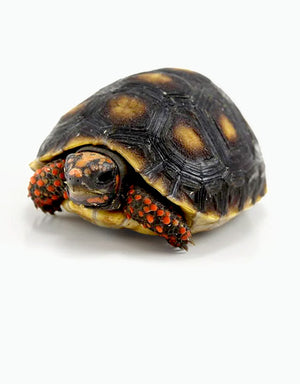
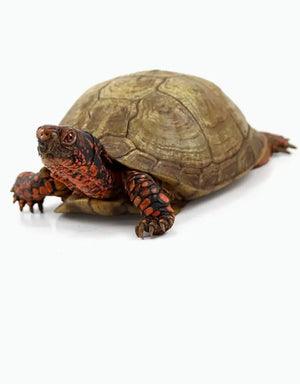
The Chinese Box Turtle (Cuora flavomarginata), also known as the Yellow Margined Box Turtle is a beautiful and moderately sized species of box turtle native to southern China and northern Vietnam. They are named for the bright yellow or cream coloured markings that rim their shells, which stand out against their dark, often olive-brown carapace. These turtles are primarily terrestrial but can be found near water in their natural habitats. They are considered a vulnerable species in the wild due to habitat loss, making responsible breeding and husbandry crucial in captivity.
Care sheets are only to be taken as guidelines. Just as with all animals, each reptile will have unique traits and personalities special to the individual animal that may require adaptation in their husbandry and care. The following care sheet will address basic requirements but as the primary caretaker of your pet, we encourage you to take notice of your pet's behaviours and preferences and make adjustments as they grow with you and your family. Please also keep in mind that unlike mammals, most reptiles change their behaviour according to the weather seasons even if you keep them indoors all year round.
We keep tortoises and turtles in stock at our Toronto store and ship across Canada.

Cheat Sheet
Chinese Box Turtle
| Common name | Chinese Box Turtle |
|---|---|
| Scientific name | Cuora flavomarginata |
| Natural location | Northern Vietnam, Southern China |
| Habitat (wild) | Tropical, Evergreen Forests, Lowlands |
| Captive enclosure | 20-30gal for hatchlings/juveniles, custom 4'x2' and up for adults |
| Substrate | Moisture retaining, diggable. ZM ReptiSoil, ZM Forest Floor, Zilla, etc |
| Temperature tolerance | Cooler: 75-85°F (24-29°C), Nighttime: 70-75°F (21-24°C) |
| Basking temperature | 85-90°F (29-32°C) |
| UVB lighting | Essential. 12hrs per day, +/- 2hrs for seasonal adjustment if desired |
| Humidity | 60-80% |
| Average adult size | 5-7 inches |
| Captive lifespan | 50 years + |
| Fun fact | Can hold their breath and walk underwater |
Housing
Enclosure: Chinese Box Turtles are a small but curious animal that will spend much of their time exploring. For this reason, they need ample space in their enclosure to thrive. Juveniles can be comfortably raised in 20-30gal terrariums whereas an adult is best kept in custom built enclosures with a floor space of at least 4 x 2 feet. Custom built enclosures can be built without a top as long as the side boards are high enough to prevent escape. A topless habitat works best for hanging lights overtop but can bring challenges to maintaining humidity.
Substrate: Box Turtles thrive in environments that closely resemble their natural woodland and heavy evergreen habitats. In the wild, they often live in areas with a humid, moist substrate that allows for burrowing and natural behaviors like digging. They also love to walk across shallow, slow moving water. To replicate this in captivity, choose substrates that resemble a mixture of dirt and mulch such as mix of coconut fibre, soil blends, cypress mulch, jungle mix, and repti soil. It is important to ensure the substrate does not get too soggy so a false bottom is highly recommended to collect excess water.
Temperature: Chinese Box Turtles thrive in temperatures ranging from 75-85°F (24-29°C) during the day, with a basking spot of 85-90°F (29-32°C). Nighttime temperatures can drop to 70-75°F (21-24°C) without issue. Heat should be provided using a ceramic heat emitter (CHE) or basking bulb, and heating pads can be used on one side to create a gradient. While they tolerate slight fluctuations, prolonged cold exposure can lead to health issues.
Humidity: Chinese Box Turtles prefer a moderate to high humidity level, ideally between 60-80%. To achieve this, the enclosure should be misted regularly and the substrate should retain moisture without becoming soggy. Adding a humid hide filled with damp sphagnum moss allows the turtle to retreat to a moist area. Proper ventilation is crucial to prevent mold and respiratory infections.
Lighting: Provide UVB lighting for 12 hours a day to support proper calcium and vitamin D3 metabolism and overall health. Use a full-spectrum UVB bulb specifically designed for reptiles. UVB lighting can be provided in the form of linear fluorescent, compact fluorescent, mercury vapour, and more recent technology provides UVB lighting in LED form as well. Compact fluorescents are not recommended for larger enclosures as the quality is not high enough. Heating bulbs can be provided by basking heat bulbs, heat emitters, or deep heat projectors. The amount of lighting you need will depend on the size of your setup and temperature of the room the enclosure stays in.
Decor: The enclosure should be designed to mimic a woodland or forest floor environment, providing plenty of hiding spots, logs, leaf litter, and live or artificial plants. Flat rocks can be added for basking, and hollow logs or caves make excellent hiding areas. A mix of shaded and open areas will allow the turtle to regulate its body temperature effectively.
Diet
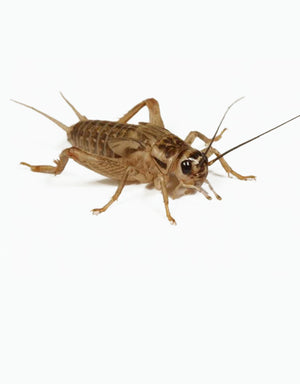
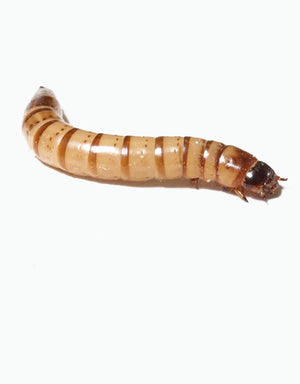
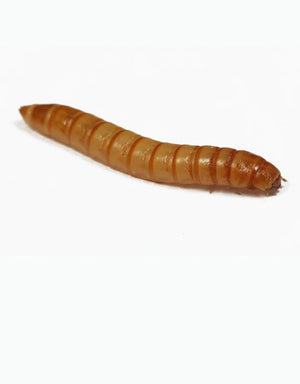
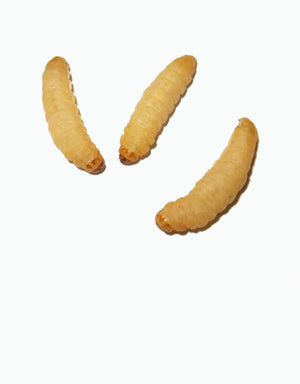
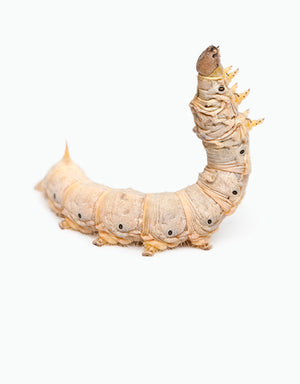
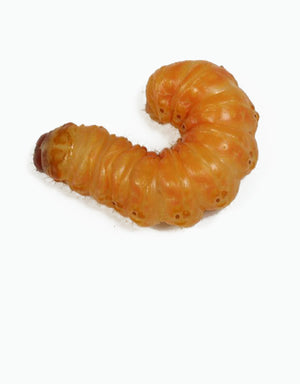
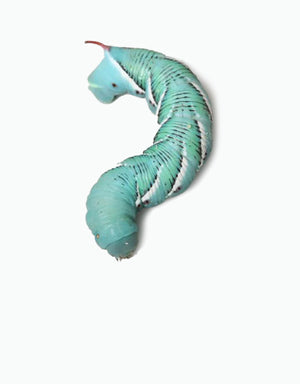
Feeding: Chinese Box Turtles are omnivores, requiring a diverse diet that includes both animal protein and plant matter. Their diet should consist of approximately 50% protein, 30% vegetables and greens, and 10-20% fruits. Protein sources include earthworms, crickets, mealworms, superworms, snails, slugs, silk worms, hornworms, waxworms, butterworms, and occasionally pinky mice. Dark, leafy greens such as collard greens, dandelion greens, and mustard greens should make up a significant portion of their plant-based intake, along with vegetables like squash, carrots, and bell peppers. Fruits, including strawberries, bananas, melons, and blueberries, can be offered in moderation as a treat. A few brands such as Zoo Med make excellent commercially ready pellet foods blended with freeze dried fruit and flower treats that are specially formulated for Box Turtles and obtain excellent nutrition for your convenience. Providing a variety of nutrient rich foods ensures a well balanced diet, supporting their overall health, shell development, and longevity.
Supplementation: Provide calcium supplements to support shell health in the form of calcium blocks or cuttlebones. We advise against D3 supplements as long as you are using the correct UVB lighting but if desired, you can provide calcium powder without vitamin D.
Water: They require fresh water daily for drinking and soaking. They absolutely love sitting in water and it is beneficial to keep them hydrated.

Health & Maintenance
Hygiene: Spot clean your enclosure on a daily basis to prevent bacteria build up and general cleanliness. Box Turtles often defecate in their clean water and it is essential to change this water frequently. We recommend a full substrate change once per season or as needed for juveniles and twice a year or as needed for adults. The frequency of substrate change will depend on how diligent you are with spot cleaning. Wood and plant décor can be washed monthly or bi monthly with hot water and dish soap and put back into place.
Handling: Chinese Box Turtles are generally docile but do not enjoy frequent handling. While they may tolerate occasional handling, excessive interaction can cause stress. When necessary, they should be picked up gently with both hands, supporting their body. Wash your hands before and after handling to prevent the spread of bacteria.
Behavioural observation: These turtles are curious, active, and surprisingly intelligent. They often explore their surroundings, foraging for food, and are known to recognize their keepers over time. When startled, they may retract fully into their shell, using their hinged plastron to close tightly for protection. Some individuals enjoy burrowing or soaking for extended periods, especially in warm weather. They are most active during the morning and late afternoon, avoiding the hottest part of the day. Outdoors, they will seek shaded areas when temperatures rise. During cooler months, some individuals may slow down or attempt brumation if temperatures drop significantly. Their gentle and inquisitive nature makes them a delight to observe, but they thrive best when provided with a spacious and enriching environment.
Quarantine: Quarantine any new additions to your reptile collection to prevent the spread of diseases.
Common Questions
How big do Chinese box turtles get?
5 to 7 inches. They are one of the more manageable box turtles for indoor keeping, though an adult still needs a floor space of at least 4 by 2 feet.
Is the Chinese box turtle the same as the yellow margined box turtle?
Yes, both names refer to the same species. The second name comes from the bright yellow or cream markings that rim the shell.
Do Chinese box turtles need water to swim in?
They are primarily terrestrial, but they are found near water in the wild and they love to soak. Fresh water for drinking and soaking should be available daily and changed frequently, since they often defecate in it.
Can a Chinese box turtle live in a glass tank?
A 20-30gal terrarium suits juveniles. Adults do better in a custom built enclosure, which can be left topless as long as the sides are high enough to stop an escape. A topless setup makes overhead lighting easier but humidity harder.
How do I keep humidity in the right range?
Aim for 60 to 80%. Mist regularly, use a substrate that holds moisture without going soggy, and add a humid hide packed with damp sphagnum moss. Ventilation still matters, since stagnant damp air brings mold and respiratory problems.
Do Chinese box turtles brumate?
Some individuals slow down or attempt brumation when temperatures fall over the cooler months. That is normal behaviour rather than a problem, though prolonged cold exposure is a genuine health risk.
All Reptiles, all the time.
Live tortoises and turtles in stock now
We carry the substrates, UVB lighting, ceramic heat emitters, humid hides and sphagnum moss covered in this guide at 1911 Kennedy Rd. Unit 99 in Toronto. Staff can walk you through a full setup in person.


