

















Blood Python Care Sheet


Introduction
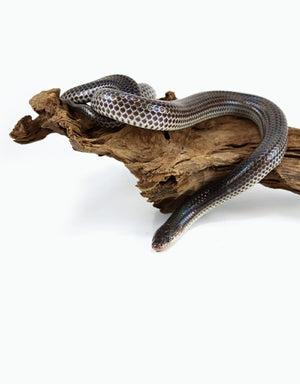
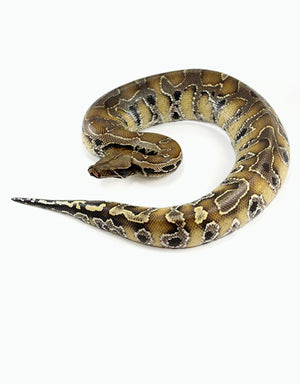
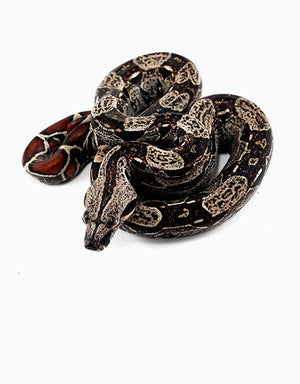
Blood Pythons (Python brongersmai) are a heavy bodied, terrestrial snake species native to Southeast Asia, primarily found in Malaysia, Sumatra, and parts of Thailand. They are known for their stunning coloration, ranging from deep reds and oranges to golden hues, and their impressive girth compared to other pythons of similar length. While once considered difficult captives, modern husbandry techniques have made them much more manageable pets. That said, this species can be somewhat aggressive with unique husbandry requirements that are best left for more experienced keepers.
Care sheets are only to be taken as guidelines. Just as with all animals, each reptile will have unique traits and personalities special to the individual animal that may require adaptation in their husbandry and care. The following care sheet will address basic requirements but as the primary caretaker of your pet, we encourage you to take notice of your pet's behaviours and preferences and make adjustments as they grow with you and your family. Please also keep in mind that unlike mammals, most reptiles change their behaviour according to seasonal weather changes even if you keep them indoors all year round. Most reptiles also change their behaviour according to their life stages and should not be expected to behave the same their whole life.
We keep blood pythons in stock at our Toronto store and ship across Canada.

Cheat Sheet
Blood Python
| Common name | Blood Python |
|---|---|
| Scientific name | Python brongersmai |
| Natural location | Sumatra, the Malay Peninsula, and parts of Thailand and Indonesia |
| Habitat (wild) | Lowland tropical rain forests, swamps, marshlands, and mangrove forests |
| Captive enclosure | 20-30gal for hatchlings/juveniles, 4' x 2' x 16"+ for adults |
| Substrate | Cypress Mulch, Loose Bark, Coco Husk, Soil Blends |
| Temperature tolerance | Nighttime: 74-78°F (23-25°C), Cooler: 78-82°F (25-28°C) |
| Basking temperature | 84-88°F (29-31°C) |
| UVB lighting | Optional. Not required but can be beneficial in small amounts. |
| Humidity | Approx. 60%-80% |
| Average adult size | 4-6 feet, up to 30lbs |
| Captive lifespan | 20-30 years |
| Fun fact | When threatened they strike by thrusting their entire bodies into the air |
Housing
Enclosure: Blood Pythons generally display low activity levels and therefore do not need large amounts of stimulation in their enclosures, but they do get quite large and for this reason need a lot of floor space in their habitats. Juveniles can be comfortably raised in 20-30gal terrariums, while adults will require a space of 4' x 2' x 16" or larger. They are a very heavy bodied species and will require a strong and sturdy enclosure with a secure lid.
Substrate: Blood Pythons come from areas where humidity is consistently high all the time. Choose a substrate that retains moisture well without being overly damp, such as cypress mulch, coconut husk, or reptile bark bedding. A soil blend of Repti Soil and cypress mulch offers a premium blend that will comfortably allow your blood python to naturally burrow and stay hydrated and secure.
Heating and temperature: Maintain a thermal gradient within the enclosure, with a warm side temperature of 84-88°F (29-31°C) and a cool side temperature of 78-82°F (26-28°C). Providing belly heat through the use of heating mats is best for this ground dwelling species. Direct overhead heating is generally not advisable due to its likelihood to dry up the habitat and potentially cause respiratory concerns. If overhead heating must be used, we encourage the use of radiant heat and not heat lights. While they can tolerate short drops into the mid-70s°F (23-25°C) at night, prolonged exposure to temperatures below 70°F (21°C) can lead to stress, weakened immune function, and respiratory infections. For this reason, captive Blood Pythons should always have a warm area available, even at night, to prevent excessive cooling.
Hide spots: Blood Pythons are fairly reclusive and love to hide underground. Provide one or more snugly fitted hiding spots in your enclosure with at least one of them on the warm side. Half logs, cork bark, and commercially available hides are suitable options.
Humidity: Maintain humidity levels between 60-80% for most of the enclosure if you can. If you are unable to maintain humidity levels, dehydration, shedding issues, and respiratory infections can occur. Mist the enclosure as needed and provide a humidity hide filled with damp sphagnum moss to aid in shedding if you are having trouble maintaining humidity in the enclosure as a whole.
Diet
Feeding: Feed juvenile Blood Pythons appropriately sized prey every 7-10 days and young adults every 7-14 days, ensuring the prey matches the girth of the snake's thickest part. Rats are the ideal food source, as mice do not provide enough sustenance, even for young Blood Pythons. As they grow, they may require larger prey, such as frozen or thawed rabbits. Once fully grown, a well-sized meal every 3-4 weeks is sufficient.
Blood Pythons have a slow metabolism and can go several weeks to months without a bowel movement, which is very normal. Continue feeding on a regular schedule, even if a bowel movement has not yet occurred.
Water: A large, sturdy water dish should always be available, as Blood Pythons will often soak to help with hydration and shedding. The water should be deep enough for the snake to submerge part of its body but not so large that it takes up too much space in the enclosure. Fresh, clean water should be provided daily to prevent bacterial buildup.

Health & Maintenance
Hygiene: Keeping the enclosure clean is essential for preventing bacterial and fungal infections in this high humidity habitat. Blood Pythons have a habit of withholding their waste for a long time and will not relieve themselves often, but when they do, you must remove the waste and surrounding substrate promptly. We recommend spot cleaning on a daily basis and a full substrate change once per season, 4 times a year. Wood and plant decor can be washed monthly with hot water and dish soap and put back into place. Regularly check for signs of mold in humid enclosures.
Handling: Blood Pythons have a reputation for being defensive, but many captive-bred individuals are docile with regular, gentle handling. When handling, approach from the side or below rather than from above, as sudden movements can startle them. Support their heavy body fully and keep handling sessions brief to avoid stress. If a blood python is displaying signs of stress, give it time to acclimate before attempting further interaction. Wash your hands before and after handling to prevent the spread of bacteria.
Behavioural observation: Blood Pythons are generally sedentary but can become a little active in the evenings. If a blood python is excessively burrowed, refusing food, or displaying open-mouth breathing, it may indicate stress or illness. They tend to hiss or inflate their bodies when feeling threatened but will usually settle down with consistent, calm interactions.
Shedding problems, scale rot, or signs of dehydration such as wrinkled skin or sunken eyes should be addressed immediately by adjusting humidity and enclosure conditions.
Quarantine: Quarantine any new additions to your reptile collection to prevent the spread of diseases.
Common Questions
Are blood pythons good for beginners?
No. They can be defensive, they are extremely heavy bodied, and their humidity requirements are unforgiving. Modern captive bred animals are far more manageable than they once were, but this is a species for keepers with some experience behind them.
How big do blood pythons get?
4 to 6 feet, but up to 30 pounds. The weight is the point. They are far heavier than other pythons of the same length, which is why they need a sturdy enclosure and full body support when handled.
Why has my blood python not passed waste in weeks?
That is normal. They have a slow metabolism and withhold waste for long periods, sometimes weeks to months. Keep feeding on schedule regardless.
What humidity do blood pythons need?
60 to 80%, consistently. If humidity drops you get dehydration, stuck sheds and respiratory infections. This is the requirement that catches people out.
How should I heat a blood python enclosure?
Belly heat from a heat mat. They are ground dwelling and overhead heating dries the enclosure out, which causes respiratory problems. If you must heat from above, use radiant heat rather than heat lights.
How long do blood pythons live?
20 to 30 years in captivity.
All Reptiles, all the time.
Blood pythons in stock now
We carry blood pythons, along with the substrate, enclosures, heat mats and hides covered in this guide, at 1911 Kennedy Rd. Unit 99 in Toronto. Staff can walk you through a full setup in person.


