
















Bearded Dragon Care Sheet


Introduction
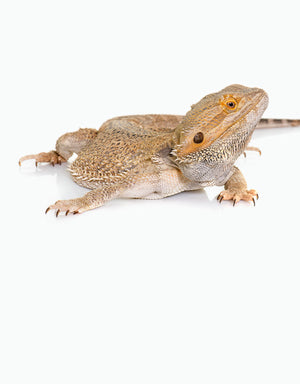
Bearded Dragons (Pogona vitticeps) are popular reptile pets known for their docile nature, curious behaviour, and relatively easy care requirements. Bearded Dragons are universally considered a beginner reptile pet. To ensure the health and well-being of your Bearded Dragon, it is essential to provide proper housing, diet, and environmental conditions.
Care sheets are only to be taken as guidelines. Just as with all animals, each reptile will have unique traits and personalities special to the individual animal that may require adaptation in their husbandry and care. The following care sheet will address basic requirements but as the primary caretaker of your pet, we encourage you to take notice of your pet's behaviours and preferences and make adjustments as they grow with you and your family. Please also keep in mind that unlike mammals, most reptiles change their behaviour according to seasonal weather changes even if you keep them indoors all year round. Most reptiles also change their behaviour according to their life stages and should not be expected to behave the same their whole life.
We keep bearded dragons in stock at our Toronto store and ship across Canada.

Cheat Sheet
Bearded Dragon
| Common name | Bearded Dragon |
|---|---|
| Scientific name | Pogona vitticeps |
| Natural location | Australia |
| Habitat (wild) | Semi-arid areas and scrublands; rocky, open country |
| Captive enclosure | 20-40gal for hatchlings/juveniles, 40-90gal+ for adults |
| Substrate | Tile, Reptile Carpets, ZM Repti Chips, Sand/Clay mixture, Exo Terra Stone Desert |
| Temperature tolerance | Nighttime: 65-75°F (18-24°C), Cooler: 72-82°F (22-27°C) |
| Basking temperature | 92-105°F (33-40°C) |
| UVB lighting | Essential. 10-12 hours a day, +/- 2hrs for seasonal adjustment if desired |
| Humidity | Approx. 40% |
| Average adult size | 15-24 inches |
| Captive lifespan | 8-15 years |
| Fun fact | They can eat scorpions in the wild |
Housing
Enclosure: Provide a spacious enclosure with adequate ventilation. Hatchlings and young juveniles do best in smaller enclosures between 20-40 gallons. Adults will require anything between 40-90 gallon and up. When choosing your enclosure, it is extremely important to remember that the size of the tank is not nearly as important as your ability to heat and furnish the tank properly. Bearded Dragons must have proper basking spots, which is very difficult to achieve if your tank is very large and empty. Yes, you can provide an enclosure larger than 90 gal if you wish, but if you are not able to heat or furnish it properly then you will be doing more harm than good by providing the excess unutilized space.
Substrate: Choosing the right substrate is critical due to impaction risks, yet no substrate is perfect. Tile and reptile carpet are safest but come with drawbacks. Tile is unnatural and hard, while reptile carpet traps odours and is hard to clean. We recommend low-risk substrates like ZM Repti Chips for healthy Bearded Dragons. Exo Terra Stone Desert is an excellent choice for a more advanced and natural look. Avoid loose substrates for dragons under 3 months old. Use paper towels initially, transitioning to ZM Repti Chips or other safe alternatives later. Fine sand is not recommended for juveniles. For an advanced setup, a mix of sand with ZM Excavator clay or Exo Terra Desert Stone offers a natural and functional aesthetic.
Temperature: Maintain a gradient of temperatures within the enclosure, with a basking spot reaching 92-105°F (33-40°C) and a cooler area around 72-82°F (22-27°C) during the day. At night, temperatures can drop to 65-75°F (18-24°C). Juveniles thrive best at more moderate temperatures while adults can withstand larger fluctuations.
Lighting: Provide UVB lighting for 10-12 hours a day to support proper calcium and vitamin D3 metabolism and overall health. Use a full-spectrum UVB bulb specifically designed for reptiles. UVB lighting can be provided in the form of linear fluorescent, compact fluorescent, mercury vapour, and more recent technology provides UVB lighting in LED form as well. Heating bulbs can be provided by basking heat bulbs, heat emitters, or deep heat projectors. The amount of lighting you need will depend on the size of your setup and temperature of the room the enclosure stays in. The larger your enclosure, the more heating elements you will need to achieve a healthy environment.
Decor: It is rare that Bearded Dragons need a place to hide so you do not have to provide a hiding spot unless your dragon is going through winter brumation. For the rest of the seasons, we recommend that you prioritize perching and basking spots that are up high and sturdy. This is obtained by using branches, a variety of large wood pieces, rocks, and slate. This is especially important for juvenile Bearded Dragons.
Diet
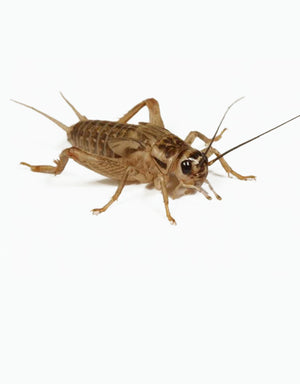
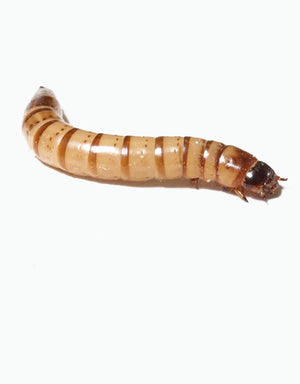
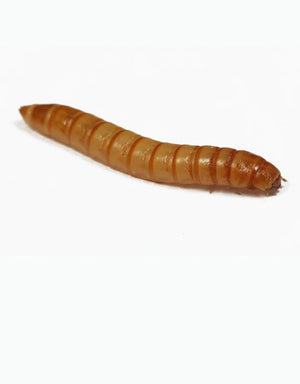
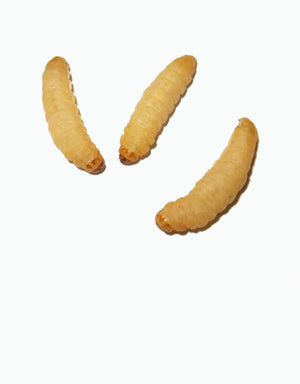
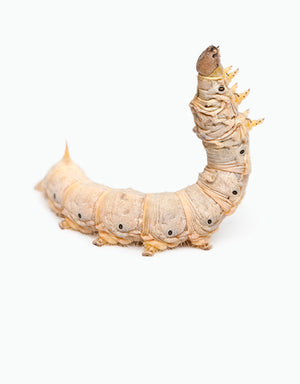
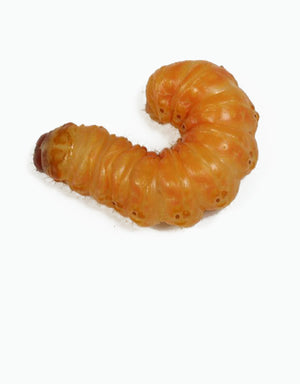
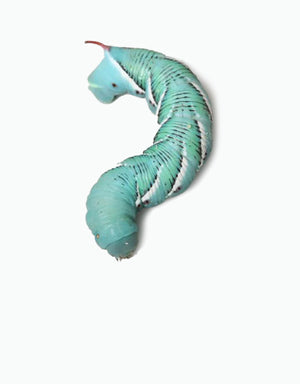
Feeding: Bearded Dragons are omnivores and require a balanced diet consisting of live insects, leafy greens, vegetables, and occasional fruits as treats. As juveniles, they require more protein than vegetables and as adults, they require more vegetables than proteins. Appropriate protein prey items include crickets, grasshoppers, roaches, mealworms, superworms, horn and silk worms, black soldier fly larvae, waxworms, and butterworms. Appropriate leafy greens include but are not limited to dandelion, collard, endive, bok choy, kale, and swiss chard. It is best to always offer a variety of nutrition to your Bearded Dragon.
Gut loading: Gut-load insects with nutritious foods before feeding them to your dragon to ensure optimal nutritional value.
Supplementation: Lightly dust insects with calcium powder and provide a multivitamin supplement. Daily supplementation is generally not required. Be careful not to over supplement with vitamin D3 and not to over supplement in general.
Water: A healthy Bearded Dragon obtains almost all the water they need from their varied food diet. A shallow dish of fresh, clean water can be provided in the enclosure but do not be surprised if it is never used. We find that they prefer an occasional soak in a basin of water rather than a water dish that will hold bacteria in the tank and often goes unused.

Health & Maintenance
Hygiene: Spot clean your enclosure on a daily basis to prevent bacteria build up and general cleanliness. We recommend a full substrate change once per season, 4 times a year. Wood and plant decor can be washed monthly with hot water and put back into place.
Handling: Bearded Dragons can be handled quite frequently and will usually find favourite spots around the house if allowed to roam. Handle your Bearded Dragon gently and avoid restraining them excessively. When being lifted, a Bearded Dragon should be offered full support under its belly. In no way should the dragon be squeezed, nor should it be lifted by its tail as its skeletal structure is not designed to support its weight in this manner. They are semi-arboreal and are capable of climbing, but they do not have the grip possessed by some lizard species, so owners should be prepared to offer support to prevent falling. Wash your hands before and after handling to prevent the spread of bacteria.
Behavioural observation: Bearded Dragons generally have great dispositions but can sometimes display mood changes during certain times of the year. They may also show aggressive behaviour when they are placed in unfamiliar surroundings. By nature, Bearded Dragons are one of the least likely lizards to bite you or be aggressive, but it is important to remember that all animals can bite. Head bobbing is a signal of dominance or defiance, usually but not exclusively in the male. Front leg waving is a submissive acknowledgment, usually but not always from a female.
Monitor your dragon's behaviour for signs of illness or stress, such as changes in appetite, lethargy, or abnormal stool. Keep in mind that it is normal for healthy adults to go through lengthy durations of not eating sometimes, and every winter most dragons will go through brumation for anywhere from 2-4 months of semi sleep state.
Quarantine: Quarantine any new additions to your reptile collection to prevent the spread of diseases.
Common Questions
What size tank does a bearded dragon need?
20 to 40 gallons for hatchlings and juveniles, 40 to 90 gallons and up for adults. Bigger is not automatically better. A large empty tank makes proper basking temperatures harder to achieve, which does more harm than the extra space does good.
Do bearded dragons need UVB?
Yes, and it is not optional. UVB drives calcium and vitamin D3 metabolism. Run a full-spectrum reptile UVB bulb 10 to 12 hours a day.
What do bearded dragons eat?
Both insects and greens. Juveniles need more protein than vegetables, adults need more vegetables than protein. Insects include crickets, roaches, superworms and hornworms. Greens include dandelion, collard, endive, bok choy, kale and swiss chard.
Why is my bearded dragon not eating?
Most often brumation. Healthy adults commonly stop eating for stretches over winter, sometimes 2 to 4 months in a semi sleep state. Watch for lethargy and abnormal stool alongside it, but the appetite drop alone is normal.
What does head bobbing mean?
Dominance or defiance, usually from a male. Front leg waving is the opposite, a submissive acknowledgment, usually from a female.
How long do bearded dragons live?
8 to 15 years in captivity.
All Reptiles, all the time.
Bearded dragons in stock now
We carry bearded dragons, along with the substrate, enclosures, UVB lighting and basking decor covered in this guide, at 1911 Kennedy Rd. Unit 99 in Toronto. Staff can walk you through a full setup in person.


