
















Ackie Monitor Care Sheet


Introduction
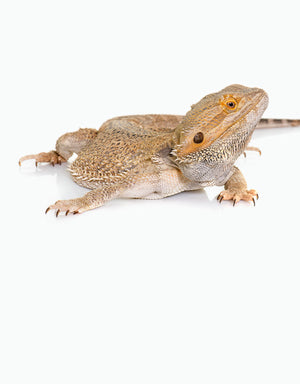
The Ackie Monitor (Varanus acanthurus), also known as the Spiny-tailed Monitor, is a medium-sized, active lizard native to the arid and semi-arid regions of northern and western Australia. Even though they are considered a medium sized lizard, they are actually one of the world's smallest monitors. These monitors are known for their spiny, rough tails and distinctive coloration, which includes a mix of yellow, brown, and black patterns. Ackie Monitors are semi-arboreal and terrestrial, spending time both on the ground and in trees or shrubs. In captivity, they require a large, well-maintained enclosure that mimics their natural habitat.
Care sheets are only to be taken as guidelines. Just as with all animals, each reptile will have unique traits and personalities special to the individual animal that may require adaptation in their husbandry and care. The following care sheet will address basic requirements but as the primary caretaker of your pet, we encourage you to take notice of your pet's behaviours and preferences and make adjustments as they grow with you and your family. Please also keep in mind that unlike mammals, most reptiles change their behaviour according to the weather seasons even if you keep them indoors all year round.
We keep Ackie Monitors in stock at our Toronto store and ship across Canada.

Cheat Sheet
Ackie Monitor
| Common name | Ackie Monitor |
|---|---|
| Scientific name | Varanus acanthurus |
| Natural location | Northern and Western Australia |
| Habitat (wild) | Semi-arid, Open Savannas and Grasslands |
| Captive enclosure | 30-90gal for hatchlings/juveniles, 4'x8' and up for subadults and adults |
| Substrate | ZM Repti Chips, Sand/Clay mixture, Exo Terra Stone Desert |
| Temperature tolerance | Cooler: 75-85°F (24-29°C), Nighttime: 70-75°F (21-24°C) |
| Basking temperature | 95-105°F (35-40°C) |
| UVB lighting | Essential. 10-12 hours a day, +/- 2hrs for seasonal adjustment if desired |
| Humidity | 40-50% |
| Average adult size | 18-24" with tail |
| Captive lifespan | 15-20 years |
| Fun fact | Will whip their sharp spiny tails at you in self defense |
Housing
Enclosure: Ackie Monitors are very active and need ample space to explore and climb. A minimum enclosure size for a single adult Ackie Monitor should be 4 feet long by 2 feet wide, though larger enclosures are always better. For multiple monitors, or if you are keeping them in a more naturalistic setup with climbing areas and plenty of room to roam, an enclosure that is 6 feet long or more with ample height is fantastic. Enclosures should have high, secure walls to prevent escapes, as these monitors are skilled climbers. A secure lid is necessary if the enclosure is designed for a more vertical habitat. Ackies also love outdoor enclosures if you are able to provide it!
Substrate: Ackie Monitors prefer a dry substrate that allows for digging and burrowing, which is a natural behavior for them. We recommend low-risk substrates like ZM Repti Chips for healthy Ackie Monitors. Exo Terra Stone Desert is an excellent choice for a more advanced and natural look. Avoid loose substrates for ackies under 3 months old; use paper towels initially, transitioning to ZM Repti Chips or other safe alternatives later. For an advanced setup, a mix of ZM Reptisoil with ZM Excavator clay or Exo Terra Desert Stone offers a natural and functional aesthetic.
Temperature: The basking area should be 95-105°F (35-40°C) to mimic the heat of the sun in their natural habitat, while the cooler side of the enclosure should range between 75-85°F (24-29°C). At night, temperatures can safely drop to around 70-75°F (21-24°C). Heating can be maintained by using basking lights, emitters, and radiant projectors.
Humidity: Ackie Monitors thrive in environments with relatively low humidity, but it should still be maintained at around 40-50%. While they are adapted to semi-arid conditions, they do benefit from occasional access to higher humidity levels, especially during shedding. A slight increase in humidity can be achieved through periodic misting of the enclosure or an occasional soak in a water basin, but it's essential that the enclosure does not stay consistently damp, as this can lead to respiratory issues or fungal growth. A hygrometer can help monitor humidity levels to ensure they remain within the recommended range.
Lighting: Provide UVB lighting for 10-14 hours a day to support proper calcium and vitamin D3 metabolism and overall health. Use a full-spectrum UVB bulb specifically designed for reptiles. UVB lighting can be provided in the form of linear fluorescent, compact fluorescent, mercury vapour, and more recent technology provides UVB lighting in LED form as well. Heating bulbs can be provided by basking heat bulbs, heat emitters, or deep heat projectors. The amount of lighting you need will depend on the size of your setup and temperature of the room the enclosure stays in. Typically, the larger the enclosure, the more lighting you will need.
Decor: To provide enrichment and mimic their natural environment, Ackie Monitors absolutely love a variety of decor in their enclosure. Branches, rocks, and logs should be included to allow them to climb and bask, as these monitors are semi-arboreal. A few hiding spots or caves will also make the lizard feel secure, as they tend to be shy, especially when young. These monitors are excellent diggers, so provide areas where they can burrow or dig in the substrate if you can. Decor should be stable and safe, with no sharp edges or risks of collapse.
Diet
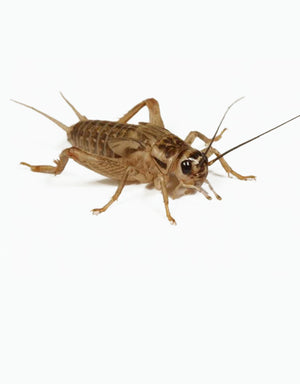
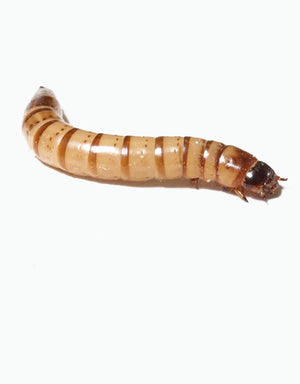
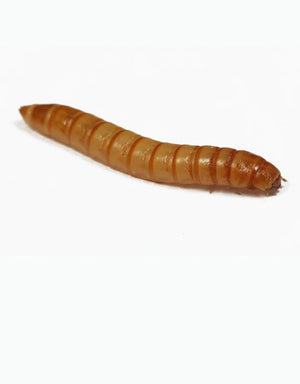
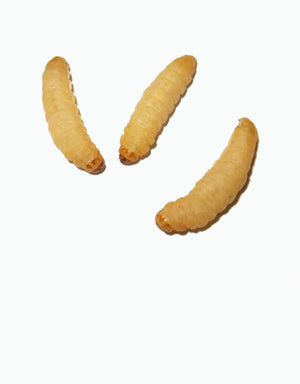
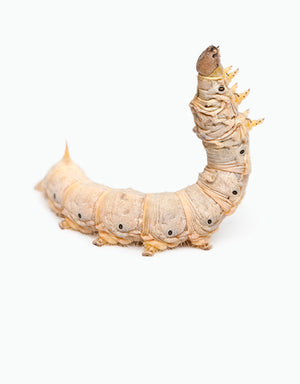
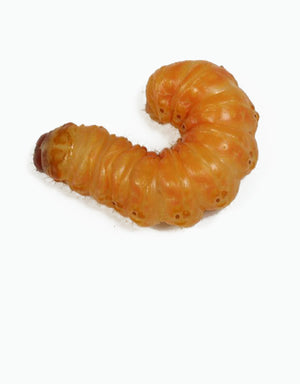
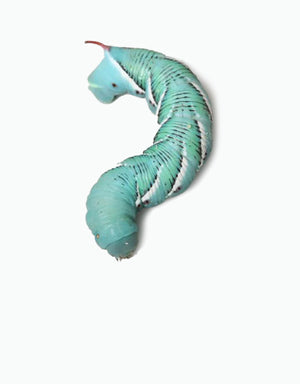
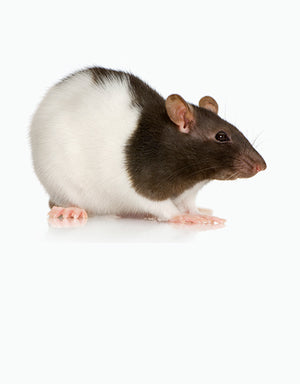
Feeding: Ackie Monitors are carnivorous and opportunistic feeders, with a diet that includes a mix of insects, small vertebrates, and occasionally, eggs or carrion in the wild. In captivity, they can be fed a variety of insects such as crickets, roaches, superworms, mealworms, soldier fly larvae, waxworms, butterworms, silkworms, and hornworms. They will also take grocery store items such as raw animal organs and morsels of raw meat. It's also important to include the occasional small mouse or chick to meet their nutritional needs. A well-rounded diet will support healthy growth and energy levels. Prey should be appropriately sized to prevent choking as they will sometimes try to swallow everything whole.
Supplementation: Due to their carnivorous diet, Ackie Monitors will benefit from some calcium and low level vitamin D3 supplementation to maintain strong bones and overall health. Lightly dust their food with calcium powder without phosphorus, and offer a multivitamin supplement that contains vitamin A and other essential nutrients, especially during their growth phase. The frequency of supplementation can vary but generally, if you are offering a diverse diet it can be avoided completely. It's crucial not to over-supplement, as this can lead to toxicity or other health issues.
Water: Fresh water should always be available for your Ackie Monitor. A shallow, sturdy water dish should be placed in the enclosure, but it does not need to be large enough to allow the monitor to soak completely, as this species generally avoids full immersion. Water should be changed daily to keep it clean and free of bacteria. Occasionally, it can be beneficial to mist the enclosure lightly to simulate natural conditions, but avoid creating standing water or overly wet spots.

Health & Maintenance
Hygiene: Spot clean your enclosure on a daily basis removing uneaten food, feces, and soiled substrate to prevent bacteria build up and general cleanliness. Make sure to thoroughly inspect the water dish for cleanliness and change daily if needed. Wood and plant décor can be washed monthly or bi monthly with hot water and dish soap and put back into place. Large pieces of wood can be disinfected by strong direct sunlight on very clear hot sunny days for 3 days.
Handling: While Ackie Monitors can be handled, it's important to approach them with care and patience. Young monitors may be more nervous and prone to stress, so start slowly by offering food or gently touching the monitor to build trust. Over time, they may become accustomed to handling, though it's important not to overdo it. Always support the monitor's body fully when picking it up to avoid causing injury. When handling, never grab it by the tail, as it can be broken. Frequent handling should be avoided, as these monitors are best appreciated as visually stimulating pets, rather than interactive ones.
Behavioural observation: Ackie Monitors are active and curious creatures, often seen climbing, exploring, and digging. They are smart enough that they do eventually learn to recognize their owners and handlers. They tend to be solitary and may show territorial behaviour, especially around food or basking spots. A healthy Ackie Monitor will be alert, have a good appetite, and exhibit natural behaviors such as climbing, foraging, and burrowing. If your monitor becomes lethargic, refuses to eat, or displays abnormal behavior, it may be a sign of stress or illness, and veterinary attention may be necessary.
Quarantine: Quarantine any new additions to your reptile collection to prevent the spread of diseases.
Common Questions
How big do Ackie Monitors get?
18 to 24 inches including the tail. They are one of the smallest monitors in the world, which is what makes them keepable in a home rather than a facility.
What size enclosure does an Ackie Monitor need?
The body of this sheet gives 4 feet long by 2 feet wide as the minimum for a single adult, with 6 feet or more preferred for multiple animals or a naturalistic setup. The cheat sheet lists 4'x8' for subadults and adults. Check with us before building if you want the exact figure, and in either case bigger is better for an animal this active.
Are Ackie Monitors good pets?
For watching rather than handling. They are active, curious and intelligent enough to recognise their keeper, but this sheet treats frequent handling as something to avoid. Think of them as a display animal with personality.
Do Ackie Monitors need very hot basking?
Yes. 95 to 105°F, hotter than most beginner reptiles, because it mimics the Australian sun they evolved under. The cool side sits at 75 to 85°F to give a real gradient.
Do Ackie Monitors dig?
Constantly. Give them depth of substrate and places to burrow. Keep animals under three months old on paper towels first, then move to Repti Chips or another safe loose substrate once they are bigger.
Will an Ackie Monitor whip you with its tail?
It can. The spiny tail is a defensive weapon and they will use it if they feel threatened. Never pick one up by the tail either, since it can break.
All Reptiles, all the time.
Ackie Monitors in stock now
We carry the substrates, clay, UVB lighting, basking bulbs, radiant heat projectors and hygrometers covered in this guide at 1911 Kennedy Rd. Unit 99 in Toronto. Staff can walk you through a full setup in person.


