




















My leopard gecko is nocturnal, so UVB is pointless


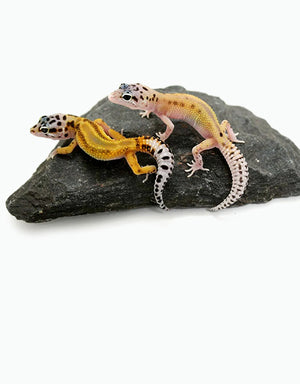
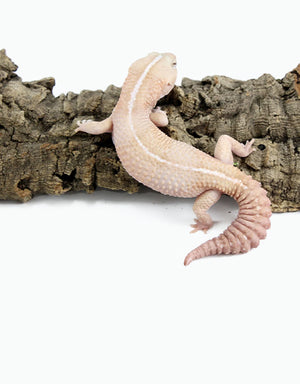
You have heard it at expos, read it on forums and maybe said it yourself. Leopard geckos come out at night, so a UVB light is wasted on them. For years nobody had tested it properly. Then someone did.
What the study found
In 2020, a team of researchers in the Netherlands raised two groups of young leopard geckos from hatching to about six months. One group got two hours of UVB a day. The other got none. Both groups ate insects dusted with a vitamin D3 supplement.
The UVB group ended up with clearly higher levels of stored vitamin D3 in their blood, 61 compared with 38 nmol/L. That means their skin was making vitamin D3 from the UVB, the same way a day-active lizard does. A gecko that only comes out at night can still use the light.
The part the forums leave out
Here is the honest bit. The geckos without UVB grew normally too, with no signs of metabolic bone disease, because their supplement was doing the job. So UVB is not the only way to keep a leopard gecko healthy. What the study shows is that “pointless” is wrong. Leopard geckos can and do use it.
Their wild behaviour backs this up. They are most active around dusk and dawn, when there is still some UV in the sky.
What this means for your setup
If you want to add UVB, go low and give them a choice. A low output UVB over one part of the enclosure, with plenty of shaded hides to retreat into, lets your gecko decide how much it wants. Keep dusting with a calcium and vitamin D3 supplement as you do now, and adjust with your vet if you change your routine.
If you keep a big collection on supplements alone and they are thriving, this study doesn't say you are doing it wrong. It just closes the door on the idea that UVB does nothing.
Ready to add one to your collection? Meet our leopard geckos


