

















Your reptile stopped eating


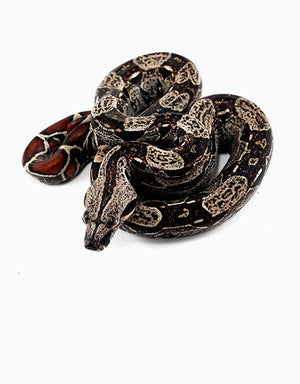
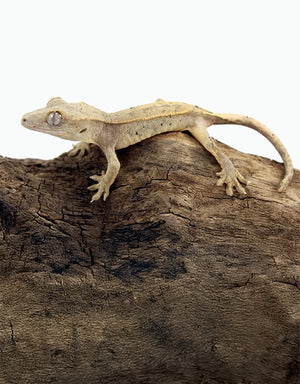
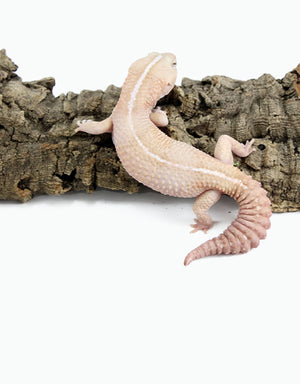
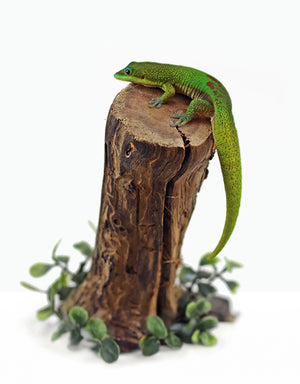
Every September and October the phone starts ringing with the same question. The snake has not eaten in three weeks. The bearded dragon is sleeping through the day. The gecko turned its nose up at the same crickets it inhaled last month. Something must be wrong.
Usually nothing is wrong. Reptiles are not mammals. They read the season and adjust, and they do it even when they live in a glass tank in a heated house.
Why it happens indoors
The trigger is not the temperature in your living room. It is daylight and barometric pressure. Days get shorter and air pressure decreases from late summer onward. That change reaches your animal through the window whether or not the thermostat moves. Room temperatures also drift down a few degrees in autumn, and a few degrees is enough. A reptile that spent the summer digesting a meal every seven days will happily go two or three weeks in October and be no worse for it.
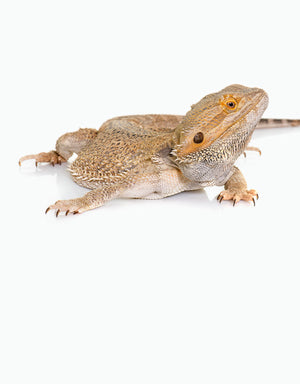
Ball pythons and bearded dragons are the two species we hear about most, and both slow right down over winter. That is covered in more detail in Karen’s Corner further down.
The thing that actually answers the question
A missed meal tells you very little on its own. Weight tells you everything.
Get a kitchen scale that reads in grams, weigh your animal, and write the number down with the date. Do it every two weeks through the autumn. A reptile that is resting holds its weight or loses a small amount very slowly. A reptile that is unwell loses weight steadily and keeps losing it.
One weight means nothing. Four weights over two months means you know exactly what is happening, and you will know it before anything becomes serious.
What not to do
Do not force feed. It causes stress and injury and it does not fix the underlying situation.
Do not raise the temperature above the range for the species to tempt an appetite. Overheating an animal that is trying to slow down creates a real problem where there was not one.
Do not keep offering food every day. Leaving uneaten prey in the enclosure invites bacteria, and with a live rodent it is dangerous for the snake. Offer on a slightly extended schedule, remove what is not taken, try again next time.
When it is worth a phone call
Steady weight loss over several weeks. Lethargy that does not lift when you handle the animal. Wheezing, drooling, or discharge around the mouth or nose. Sunken eyes. Stuck shed hanging on for weeks. Any of those alongside the appetite drop is worth talking to us or to a vet about.
A healthy animal that simply is not hungry looks completely normal in every other respect. Pick it up and it is alert, it holds itself well, and it has muscle tone. Put it back and it settles in for another sleep.
Not sure what normal looks like for your species
We have put all fifty of our care sheets on the site as full guides, with feeding schedules, temperatures and humidity for every animal we sell.


