
















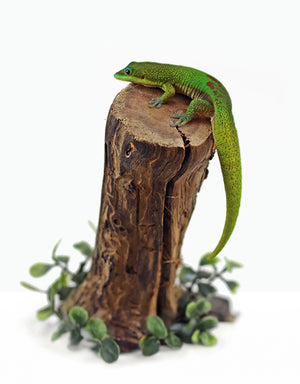
West Indian Leopard Gecko Care Sheet


Introduction
The West Indian Leopard Gecko (Eublepharis fuscus) is a small nocturnal gecko species native to central and western India. Unlike its more well-known relative, the common Leopard Gecko (Eublepharis macularius), E. fuscus has a darker, more uniform colouration, ranging from deep brown to chocolate hues with faint or minimal patterning. It is known for its stockier build, robust tail, and slightly more secretive nature. Due to their more secretive nature and having a strong defensive instinct, they are more suited for gecko keepers with some experience.
Care sheets are only to be taken as guidelines. Just as with all animals, each reptile will have unique traits and personalities special to the individual animal that may require adaptation in their husbandry and care. The following care sheet will address basic requirements but as the primary caretaker of your pet, we encourage you to take notice of your pet's behaviours and preferences and make adjustments as they grow with you and your family. Please also keep in mind that unlike mammals, most reptiles change their behaviour according to the weather seasons even if you keep them indoors all year round.
We keep geckos in stock at our Toronto store and ship across Canada.

Cheat Sheet
West Indian Leopard Gecko
| Common name | West Indian Leopard Gecko |
|---|---|
| Scientific name | Eublepharis fuscus |
| Natural location | Eastern and Northeastern India |
| Habitat (wild) | Semi-arid grasslands and scrublands |
| Captive enclosure | 5-10gal for hatchlings/juveniles, 15-30gal for adults |
| Substrate | Tile, reptile carpet, ZM Repti Chips, sand/clay mixture |
| Temperature tolerance | Cooler: 72-80°F (22-27°C), Nighttime: 65-70°F (18-21°C) |
| Basking temperature | 88-95°F (31-35°C) |
| UVB lighting | Optional. Can be beneficial in small amounts. |
| Humidity | 40-60% |
| Average adult size | 7-9 inches |
| Captive lifespan | 15-20 years |
| Fun fact | All leopard geckos can "scream" when they feel threatened |
Housing
Enclosure: Provide a spacious enclosure with adequate ventilation. Hatchlings and young juveniles do best in smaller enclosures between 5-10 gallons. Adults do best in 15-30 gallons. When choosing your enclosure, it is extremely important to remember that the size of the tank is not nearly as important as your ability to heat and furnish the tank properly. The enclosure should be horizontally arranged for ample floor space, and proper ventilation is essential to avoid humidity buildup. Ensure the gecko can comfortably move and explore in its environment.
Substrate: Choosing the right substrate is critical due to impaction risks, yet no substrate is without risk. Tile and reptile carpet are safest but come with drawbacks: tile is unnatural and hard, while reptile carpet traps odours and is hard to clean. West Indians need slightly higher humidity than common leopard geckos so we highly recommend using a soil blend mix with mulch for this species such as ZM Forest Floor and Reptisoil. Avoid loose substrates for geckos under 3 months; use paper towels initially, transitioning to other more natural substrates later. Fine sand is not recommended for this species. A humid hide on the cool side of the tank will also be highly beneficial.
Temperature & Humidity: Maintain a gradient of temperatures within the enclosure, with a hot spot reaching 85-92°F (29-33°C) and a cooler area around 72-78°F (22-26°C) during the day. At night, temperatures can drop to 65-70°F (18-21°C). Juveniles thrive best at more moderate temperatures while adults can withstand larger fluctuations. This species enjoys moderate humidity levels during the day and slightly higher at dusk and dawn. To mimic this, providing a humid cave is best.
Lighting & Heating: West Indian Leopard geckos are a nocturnal species and are typically uncomfortable around any bright lights. For this reason, we do not recommend using lighting for this species unless it is an infrared or otherwise dark lighting simply for your own viewing pleasure. UVB lighting is not required but can absolutely provide some benefits when provided in small amounts. Instead of heat lighting, we highly recommend heat pads to provide heat through the ground. Heat pads should cover one side of the terrarium, best positioned underneath the hiding cave where they like to sleep. Infrared radiant heat is also an excellent choice for this species.
Decor: West Indian Leopard geckos will benefit from several hides for comfort and security if you can provide it. One hide can be enough but if you have the space, we recommend at least two hides: one on the warm side and one on the cool side. This allows the gecko to regulate its body temperature by moving between them. When leopard geckos are not provided enough humidity during the shedding process, they can lose the tips of their toes and nails. To prevent this, a moist hide is recommended on the cool side of the enclosure. While Leopard geckos are primarily ground-dwelling, adding low rocks, branches, or plants can help mimic their natural environment. Ensure that all decor is securely placed to prevent injury and avoid sharp or unstable items.
Diet
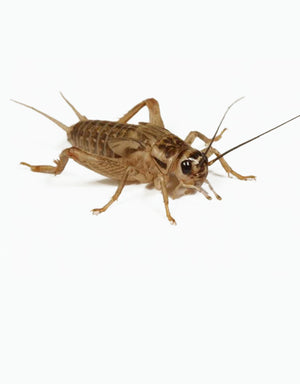
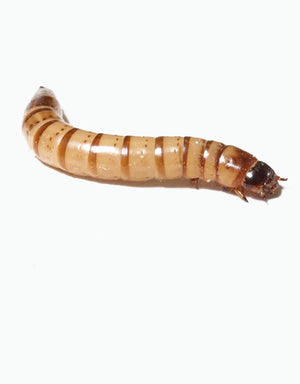
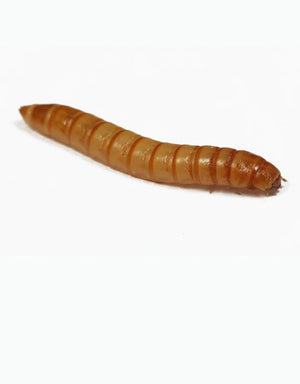
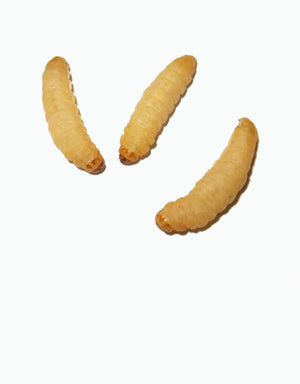
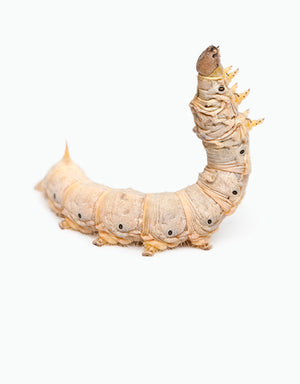
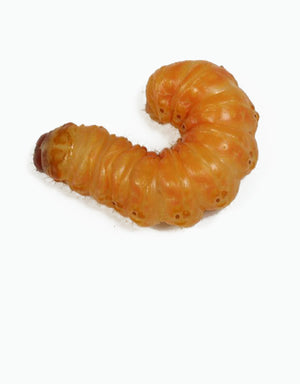
Feeding: West Indian Leopard geckos are insectivores and should be fed a variety of live insects including crickets, mealworms, roaches, waxworms, silkworms, hornworms, black soldier fly larvae, and superworms. In recent years, several companies have also come out with excellent meal replacement powders that have all the nutrition as live bugs and most leopard geckos can be taught to eat it over time instead of live bugs. This includes Repashy Grub Pie and Pro Bugs Purees. Juvenile Leopard geckos should be fed daily, while adults typically eat every 2-3 days.
Gut loading: Gut-load insects with nutritious foods before feeding them to your gecko to ensure optimal nutritional value.
Supplementation: Lightly dust insects with calcium powder weekly, especially for younger geckos. A weekly dusting of multi vitamin can also be beneficial. Be careful not to over supplement with vitamin D3.
Water: Provide fresh water daily for your gecko in a shallow, easily accessible dish that allows them to drink safely without the risk of getting stuck.

Health & Maintenance
Hygiene: Spot clean your enclosure on a daily basis to prevent bacteria build up and general cleanliness. We recommend a full substrate change once per season, 4 times a year. Wood and plant décor can be washed monthly with hot water and put back into place.
Handling: West Indian Leopard geckos are much shyer than the common leopard gecko and usually do not like to be handled very much. They are well known for their habit of "yelling" at you when you put your hands on them. Although, this can be amusing to see and hear, it is best to minimize handling of this species. We recommend handling them while seated on the ground and always keep an eye on them when they are out of their enclosure. Never grab or pull a leopard gecko by their tails as they will drop their tails if frightened. All leopard geckos have the ability to fully regenerate their lost tails, but it will always grow back looking different from the original tail. Wash your hands before and after handling to prevent the spread of bacteria.
Behavioural observation: West Indian Leopard geckos tend to be quite secretive and prefer to remain hidden during daylight hours. At night, they become active, exploring their enclosure, hunting, and occasionally digging. Defensive displays such as tail rattling, vocalizing, or standing tall may be observed, especially in younger individuals. With time, some may become more inquisitive and interactive. Monitor your gecko's behaviour for signs of illness or stress, such as lethargy, abnormal stool, stuck shed on the toes, sunken eyes, or visible weight loss. Once your leopard gecko reaches adult age, it is common and normal for them to reduce their appetites.
Quarantine: Quarantine any new additions to your reptile collection to prevent the spread of diseases.
Common Questions
How is a West Indian leopard gecko different from a common leopard gecko?
Darker and more uniform in colour, from deep brown through chocolate, with faint patterning rather than bold spots. Stockier build and a heavier tail. Shyer, more secretive, and with a stronger defensive instinct, which is why this one suits keepers who already have some gecko experience.
Are West Indian leopard geckos good for beginners?
Not really. The secretive nature and the defensive instinct together make them a poorer first gecko than the common leopard gecko. They are not difficult to keep, they just give less back to someone who wants interaction.
What defensive behaviour should I expect?
Tail rattling, vocalising and standing tall, most often in younger animals. They also yell when hands come at them. Some settle with time and become more inquisitive, but plan around a shy animal rather than hoping for a bold one.
What substrate should I use?
A soil blend with mulch such as ZM Forest Floor or Reptisoil, because West Indians want more humidity than a common leopard gecko. Tile and reptile carpet are safest against impaction but tile is hard and unnatural and carpet holds odours. Nothing loose under 3 months old, paper towel first, and no fine sand for this species at any age.
Do West Indian leopard geckos need a heat lamp?
No. They are nocturnal and bright light makes them uncomfortable. Heat pads under the sleeping hide deliver heat through the ground, and infrared radiant heat works well. If you want to watch them at night, use infrared or another dark light.
How often do West Indian leopard geckos eat?
Juveniles daily, adults every 2 to 3 days. Crickets, mealworms, roaches, waxworms, silkworms, hornworms, black soldier fly larvae and superworms all work. Gut-load the feeders, dust with calcium weekly. A drop in appetite once they reach adult size is normal.
All Reptiles, all the time.
Geckos in stock now
We carry geckos, along with the substrate, enclosures, heating and hides covered in this guide, at 1911 Kennedy Rd. Unit 99 in Toronto. Staff can walk you through a full setup in person.


