
















Rough Knob Tail Gecko Care Sheet


Introduction
The Rough Knob Tail Gecko (Nephrurus amyae) is the largest species in the Nephrurus genus, known for its distinctive bumpy skin, short stout body, and thick, knobbed tail. Native to the arid regions of northern and central Australia, this nocturnal gecko thrives in rocky and sandy habitats, where it burrows to escape the heat of the day. Unlike smooth skinned geckos, N. amyae has a rough, granular texture that helps it blend into its rocky environment.
Care sheets are only to be taken as guidelines. Just as with all animals, each reptile will have unique traits and personalities special to the individual animal that may require adaptation in their husbandry and care. The following care sheet will address basic requirements but as the primary caretaker of your pet, we encourage you to take notice of your pet's behaviours and preferences and make adjustments as they grow with you and your family. Please also keep in mind that unlike mammals, most reptiles change their behaviour according to the weather seasons even if you keep them indoors all year round.
We keep geckos in stock at our Toronto store and ship across Canada.

Cheat Sheet
Rough Knob Tail Gecko
| Common name | Rough Knob Tail Gecko |
|---|---|
| Scientific name | Nephrurus amyae |
| Natural location | Northern and Central Australia |
| Habitat (wild) | Semi-arid, deserts, rocky outcrops |
| Captive enclosure | 5-10gal for hatchlings/juveniles, 15-20gal for adults |
| Substrate | Sand/Soil Blends, Clay, Stone |
| Temperature tolerance | Cooler: 85-90°F (29-32°C), Nighttime: 70-74°F (21-23°C) |
| Basking temperature | 90-95°F (32-35°C) |
| UVB lighting | Optional. Can be beneficial in small amounts |
| Humidity | 40-50% |
| Average adult size | 6-7 inches |
| Captive lifespan | 10-15 years |
| Fun fact | They charge forward with open mouths when threatened |
Housing
Enclosure: Although larger than the closely related Smooth Knob Tail Gecko, the Rough Knob Tail Geckos are also considered a small species, reaching lengths of 6-7", which means they also do not require excessively large enclosures. A single adult gecko can be comfortably housed in a 15-gallon long terrarium. If keeping more than one, it's important to provide ample space to avoid territorial disputes. The enclosure should be secure, well ventilated, and have several different low elevations for enrichment.
Substrate: Rough Knob Tail Geckos thrive on a substrate that allows them to burrow and feel secure. Repti Soil or a mixture of sand and soil (around 50/50) is an ideal substrate, as it simulates the arid, loose soil conditions found in their native habitat. For a more advanced substrate, you can blend Exo Terra Desert stone with soil, sand, and clay products for the ultimate natural substrate.
Heating & Temperature: Rough Knob Tail Geckos are adapted to hot, dry environments. Daytime temperatures should range between 85-90°F (29-32°C), with a basking spot that reaches around 95°F (35°C). At night, temperatures can drop to around 70°F (21°C), simulating the natural temperature fluctuations they would experience in the wild. Using a heat pad, heat lamp, ceramic heat emitter, or radiant heat projectors can help establish a temperature gradient within the enclosure, allowing the gecko to move between warmer and cooler areas. Be cautious of temperatures exceeding 90°F (32°C), as prolonged exposure to excessive heat can lead to stress or overheating. A localized humid hide filled with damp sphagnum moss is also highly advisable to support proper shedding and hydration.
Humidity: Rough Knob Tail Geckos come from dry, arid environments and do not require high humidity on a regular basis. The ideal humidity level should be maintained between 40-50%, which is slightly higher than the Smooth Tail. This can be achieved by lightly misting the enclosure a few times a week or using a humidity monitor to ensure the levels don't rise too high. Excess moisture should be avoided, as high humidity can lead to respiratory infections or mold growth. However, they do need short periods of time to hydrate themselves inside humid burrows so a humid hide on the cool side of the terrarium is highly advised.
Lighting: Rough Knob Tail Geckos are a nocturnal species and are typically uncomfortable around any bright lights. For this reason, we do not recommend using lighting for this species unless it is an infrared or otherwise dark lighting simply for your own viewing pleasure. UVB lighting is not required but can absolutely provide some benefits when provided in small amounts. Instead of heat lighting, we highly recommend heat pads to provide heat through the ground. Heat pads should cover one side of the terrarium, best positioned underneath the hiding cave where they like to sleep. Infrared radiant heat is also an excellent choice for this species.
Decor: Rough Knob Tail Geckos will benefit from several hides for comfort and security if you can provide it. They are secretive creatures and appreciate ample hiding opportunities. Since they also enjoy burrowing, adding rocks, branches, or other objects for them to climb over will offer enrichment and help them feel more secure. Keep the decor simple, as these geckos don't require complex setups, but ensure there are no sharp edges or hazards that could injure the animal.
Diet
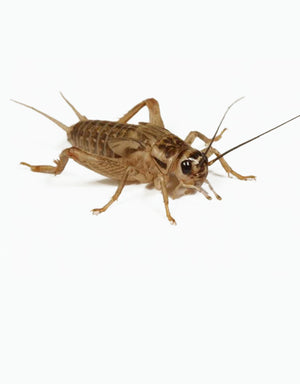
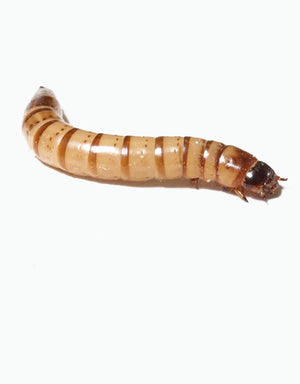
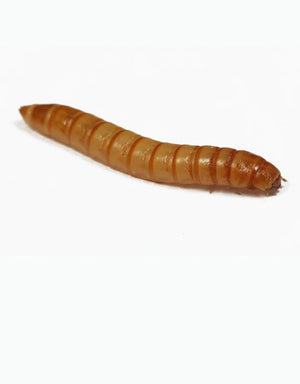
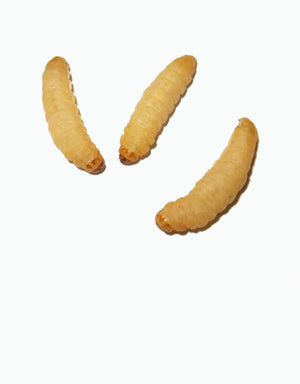
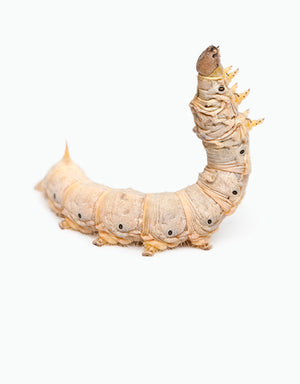
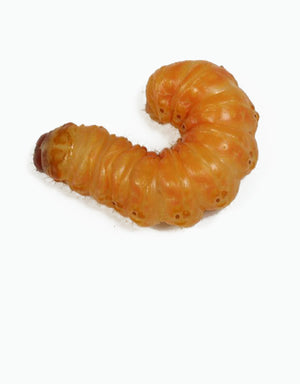
Feeding: Rough Knob Tail Geckos are insectivores and should be fed a variety of live insects including crickets, mealworms, roaches, waxworms, silkworms, hornworms, and black soldier fly larvae. In recent years, several companies have also come out with excellent meal replacement powders that have all the nutrition as live bugs and most rough knob tail geckos can be taught to eat it over time instead of live bugs. This includes Repashy Grub Pie and Pro Bugs Purees. Geckos should be fed daily, while adults typically eat every 2-3 days.
Gut loading: Gut-load insects with nutritious foods before feeding them to your gecko to ensure optimal nutritional value.
Supplementation: Lightly dust insects with calcium powder weekly, especially for younger geckos. A weekly dusting of multi vitamin can also be beneficial. Be careful not to over supplement with vitamin D3.
Water: Provide fresh water daily for your gecko in a shallow, easily accessible dish that allows them to drink safely without the risk of getting stuck.

Health & Maintenance
Hygiene: Spot clean your enclosure on a daily basis to prevent bacteria build up and general cleanliness. We recommend a full substrate change once per season, 4 times a year. Wood and plant décor can be washed monthly with hot water and put back into place.
Handling: Rough Knob Tail Geckos are relatively docile and can tolerate gentle handling, but they are not typically fond of being held for extended periods. Always handle them with care, supporting their body and avoiding grabbing them by the tail, as they may drop it in defense. These geckos may initially be shy and skittish but should become more accustomed to handling over time if done gently and infrequently.
Behavioural observation: Rough Knob Tail Geckos are solitary and can be territorial, particularly males. They are well known for their bold personalities, often displaying defensive behaviours such as tail-waving, barking, and even open-mouthed posturing when disturbed. Being not as shy as their closely related cousins, the Smooth Knob Tails, they can provide slightly more experienced gecko keepers a lot of enjoyment in their care. Their combination of bizarre appearance, vocalizations, and tail-waving displays makes them a highly entertaining species to observe in a properly set-up enclosure.
Quarantine: Quarantine any new additions to your reptile collection to prevent the spread of diseases.
Common Questions
Why do rough knob tails charge with their mouths open?
It is a bluff. They are bold for their size and put on a display when disturbed, which includes tail-waving, barking and open-mouthed posturing. None of it means the animal is unmanageable.
How big do rough knob tail geckos get?
6 to 7 inches, which makes them the largest in the Nephrurus genus and still a small gecko. A single adult does well in a 15-gallon long terrarium.
Do rough knob tail geckos need UVB or a heat lamp?
Neither is required. This is a nocturnal species that dislikes bright light. Heat pads under one side of the terrarium, ideally beneath the hide, are the recommendation, with infrared radiant heat as an alternative. UVB is optional and only in small amounts.
Can two rough knob tails live together?
Better not to. They are solitary and territorial, males especially. If you do keep more than one, the enclosure needs enough room to prevent disputes.
How humid should the enclosure be?
40 to 50%, slightly damper than a smooth knob tail but still dry by reptile standards. Light misting a few times a week is enough. Add a humid hide on the cool side, since they use damp burrows to shed properly.
Will a rough knob tail drop its tail?
Yes, in defense. Never lift or grab one by the tail. Support the body instead and keep handling gentle and infrequent.
All Reptiles, all the time.
Geckos in stock now
We carry the sand and soil substrates, clay, stone, hides, heat pads and sphagnum moss covered in this guide at 1911 Kennedy Rd. Unit 99 in Toronto. Staff can walk you through a full setup in person.


