


















Fire Belly Toad Care Sheet


Introduction
The Fire Belly Toad (Bombina orientalis) is a small, popular amphibian known for its vibrant red or orange-coloured belly, which serves as a warning to predators of its toxicity. Native to East Asia, particularly China, Korea, and parts of Russia, these toads have become a popular pet species due to their distinctive appearance, ease of care, and entertaining behaviour. They are semi-aquatic, spending time both in water and on land. While they are generally hardy, their care requires attention to humidity, temperature, and water quality to keep them healthy.
Care sheets are only to be taken as guidelines. Just as with all animals, each toad will have unique traits and personalities special to the individual animal that may require adaptation in their husbandry and care. The following care sheet will address basic requirements but as the primary caretaker of your pet, we encourage you to take notice of your pet's behaviours and preferences and make adjustments as they grow with you and your family. Please also keep in mind that unlike mammals, most amphibians change their behaviour according to seasonal weather changes even if you keep them indoors all year round. Most amphibians also change their behaviour according to their life stages and should not be expected to behave the same their whole life.
We keep fire belly toads in stock at our Toronto store and ship across Canada.

Cheat Sheet
Fire Belly Toad
| Common name | Fire Belly Toad |
|---|---|
| Scientific name | Bombina orientalis |
| Natural location | East Asia |
| Habitat (wild) | Cool and humid forest |
| Captive enclosure | 5gal for juveniles, 10-20gal+ for adults |
| Substrate | Bioactive Blends, Cypress Mulch, Repti Soil, Jungle Mix, Soil Blends |
| Temperature tolerance | Nighttime: 65-70°F (18-21°C), Cooler: 70-75°F (21-24°C) |
| Basking temperature | 75-78°F (24-26°C) |
| UVB lighting | Optional. Not required but can be beneficial in very small amounts. |
| Humidity | Approx. 60-80% |
| Average adult size | 1-2 inches |
| Captive lifespan | 10-15 years |
| Fun fact | They flash their bellies to ward off predators |
Housing
Enclosure: Fire Bellies are a small species toad but also very active. They are highly communal and do well in groups. A single toad can be comfortably housed in a 10-gallon tank, though groups should be kept in 20 gallon or larger. The enclosure should offer a terrestrial area for the toads to climb and rest, as well as a water area where they can swim and soak. A shallow, gradual water slope is ideal to allow easy access between the land and water sections. Although these toads are mainly ground dwellers, they are surprisingly proficient climbers and can climb the corners of glass aquariums. Ensure that you use a secure lid to prevent escape.
Substrate: Fire Belly Toads spend half of their time on their substrate and half of their time in water. They enjoy a soft, moisture-retaining substrate like damp coconut fibre, or repti soil mix, or jungle mix. Avoid bark and stringy mosses as these can cause impaction if ingested. Substrate should be kept damp but not overly saturated and there should be a large water area for them as well.
Heating & Temperature: Fire Belly Toads thrive in cooler temperatures. The ideal range for daytime temperatures is 70-78°F (21-26°C), with a slight drop at night to 65-70°F (18-21°C). It is important not to let the temperature drop too low or get too high, as this can lead to stress or health issues. To achieve proper warmth, you can use a small heat lamp, heat emitter, or radiant heat.
Decor: Providing a variety of climbing structures, such as rocks, cork bark, or branches, allows the toads to explore their environment and exhibit natural behaviour. You can also add live plants to improve the aesthetics and help maintain humidity. Including a waterfall or a gentle water feature can also encourage the toads to swim and soak, mimicking their natural habitat. Be sure to secure any decorations to prevent them from toppling over, which could injure the toads.
Humidity: As semi-aquatic amphibians, Fire Belly Toads require high humidity levels to stay healthy. The humidity should be kept between 60-80%, which can be achieved through daily misting, live plants, and maintaining a water dish. The water area should remain moist, and it is advisable to use a humidifier in the room if humidity levels drop too low. Insufficient humidity can lead to dehydration and skin issues, such as shedding problems. A hygrometer is helpful to monitor humidity levels within the enclosure.
Diet
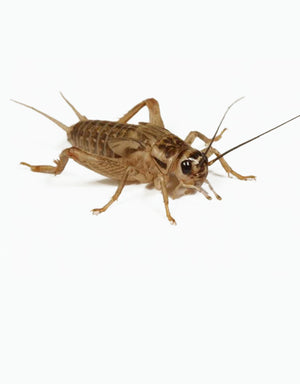
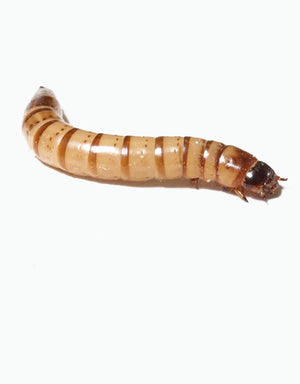
Feeding: Fire Belly Toads are opportunistic carnivores and will eat a variety of prey items, including crickets, roaches, nightcrawlers, and occasional small fish for larger individuals. They are well known to be attracted to prey that move so crickets are a very popular and cost effective staple food item. Feeder insects should be gut-loaded prior to feeding to ensure optimal health. Overfeeding should be avoided to prevent obesity.
Supplementation: You can offer lightly dusted crickets once per week with calcium or multi vitamin. Be careful not to over supplement with vitamin D3. Usually if you are gutloading your feeder insects then supplementation is not needed at all.
Water: A clean, shallow water source is essential for Fire Belly Toads. They are semi-aquatic and will spend much of their time in the water, soaking or swimming. Ensure that the water is dechlorinated, as chlorine and other chemicals are harmful to amphibians. A small, shallow dish of water is sufficient for drinking and soaking, while the water area in the enclosure should allow for swimming. Be sure to change the water regularly to maintain cleanliness and avoid bacteria buildup.

Health & Maintenance
Hygiene: Maintaining cleanliness in the enclosure is essential to the health of your Fire Belly Toads. Spot clean the enclosure daily by removing uneaten food, feces, and any soiled substrate. Change the water daily to prevent the buildup of waste and bacteria. We recommend a full substrate change once per season, 4 times a year or as needed based on moisture levels and cleanliness. Water dishes should be cleaned regularly with reptile-safe disinfectants. Any wood and plant décor can be washed monthly with hot water and dish soap and put back into place. Regularly check for signs of mold in humid enclosures. For a more advanced setup, building a bioactive terrarium will help reduce the need for daily cleaning.
Handling: While Fire Belly Toads are generally not aggressive, they are sensitive to handling. Frequent handling can cause stress, which can lead to health issues, such as skin problems or even death. If handling is necessary, always wet your hands first to prevent oils or chemicals from harming their skin. Gently pick them up and avoid squeezing or applying pressure. Limit handling to short periods and try to keep it to a minimum, as these toads are best enjoyed by observing their behaviours rather than physical interaction. Wash your hands before and after handling to prevent the spread of bacteria.
Behavioural observation: Fire Belly Toads are nocturnal, becoming more active during the evening and night when they are likely to hunt for food and interact with one another. During the day, they tend to rest or hide in damp areas. They may be observed basking under the light or soaking in the water. When they feel threatened or insecure, they may emit a faint croaking sound or attempt to escape into the water. Fire Belly Toads are also known for their vibrant red or orange bellies, which they flash as a warning sign to predators of their toxicity. These toads will typically remain still if they feel safe, but they are capable of quick, energetic movements when startled.
Quarantine: Quarantine any new additions to your amphibian collection to prevent the spread of diseases.
Common Questions
Are fire belly toads poisonous?
They are toxic, and the red or orange belly is the advertisement. When threatened they flash it as a warning. It is a reason to wet your hands before handling and wash them afterwards, and a reason to keep handling to a minimum.
Can fire belly toads live together?
Yes, they are highly communal and do well in groups. A single toad is comfortable in a 10 gallon tank and groups want 20 gallons or larger.
Do fire belly toads need water to swim in?
Yes. They are semi-aquatic and spend roughly half their time in water. The setup needs a land area and a water area with a shallow, gradual slope between them, and the water has to be dechlorinated because chlorine harms amphibians. Change it daily.
What do fire belly toads eat?
Crickets, roaches and nightcrawlers, with the occasional small fish for larger individuals. They go for prey that moves, which is why crickets work so well as a staple. Gut-load the feeders. If you are gut-loading properly, supplementation is often unnecessary.
What temperature do fire belly toads need?
Cooler than most amphibians people keep. 70 to 78°F during the day, dropping to 65 to 70°F at night. Both extremes cause problems, so a thermometer is worth having.
Can fire belly toads climb out of a tank?
They can. They are mainly ground dwellers but they climb the corners of glass aquariums surprisingly well, so a secure lid is not optional.
All Reptiles, all the time.
Fire belly toads in stock now
We carry fire belly toads, along with the substrate, tanks, water features and climbing decor covered in this guide, at 1911 Kennedy Rd. Unit 99 in Toronto. Staff can walk you through a full setup in person.


