
















Common Green Tree Frog Care Sheet


Introduction
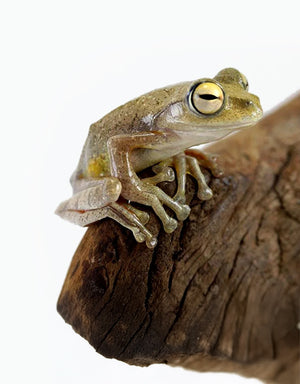
The Common Green Tree Frog (Hyla cinerea) is a small, arboreal frog native to the southeastern United States. Known for their vibrant green coloration, large eyes, and loud charming calls, these frogs are popular in the pet trade due to their relatively simple care requirements. While they are not highly interactive pets, they are quite active in their own environments and can be a delight to watch!
Care sheets are only to be taken as guidelines. Just as with all animals, each frog will have unique traits and personalities special to the individual animal that may require adaptation in their husbandry and care. The following care sheet will address basic requirements but as the primary caretaker of your pet, we encourage you to take notice of your pet's behaviours and preferences and make adjustments as they grow with you and your family. Please also keep in mind that unlike mammals, most amphibians change their behaviour according to seasonal weather changes even if you keep them indoors all year round. Most amphibians also change their behaviour according to their life stages and should not be expected to behave the same their whole life.
We keep common green tree frogs in stock at our Toronto store and ship across Canada.

Cheat Sheet
Common Green Tree Frog
| Common name | Common Green Tree Frog |
|---|---|
| Scientific name | Hyla cinerea |
| Natural location | Southeastern United States of America |
| Habitat (wild) | Widespread, in marshes, swamps, woodlots, urban and suburban yards |
| Captive enclosure | 8x8x12" for babies, 12x12x18" to 18x18x24" for adults |
| Substrate | Bioactive Blends, Cypress Mulch, Loose Bark, Coco Husk, Soil Blends |
| Temperature tolerance | Nighttime: 65-70°F (18-21°C), Cooler: 72-76°F (22-24°C) |
| Basking temperature | 75-80°F (24-27°C) |
| UVB lighting | Optional. Not required but can be beneficial in small amounts |
| Humidity | Approx. 50-80% |
| Average adult size | 1.5-2" |
| Captive lifespan | 8-12 years |
| Fun fact | Often found in groups in the wild and love communal living |
Housing
Enclosure: Common Green Tree Frogs are a very small species and juveniles can be raised in nano tanks sized 8x8x12". They are arboreal (tree-dwelling) and it is best to provide them with ample vertical climbing space. As they grow you can upgrade their tank size to 12x12x18" or larger. Being very communal, many keepers keep groups in heavily planted tanks measuring 18x18x24". The enclosure should have a secure mesh top for ventilation while retaining humidity. A live bioactive terrarium is best for this species but you can also use artificial plants, branches, cork bark, and vines to create climbing opportunities and a naturalistic environment. These frogs love to perch on strong steady leaves.
Substrate: A bioactive substrate mixture is best for this species such as the ZM Tropical Bioblend or you can make your own using a mixture of moisture retaining substrates such as cypress mulch, peat moss, repti soil, moss, carbon, gravel, coconut fibre, and loose leaves. We highly advise against using only coconut fibre even though this is commonly offered in commercial ready starter kits.
Heating & Temperature: Common Green Tree Frogs do best in moderately heated terrariums. They thrive at temperatures between 72-80°F during the day, with a tolerance drop of 65-70°F at night. A low-wattage heat lamp, ceramic heat emitter, or radiant heat can help maintain the proper temperature. Ensure that a thermometer is used to monitor temperature accurately. This species can overheat easily and care must be taken to not overheat.
Hide spots: Providing multiple hiding spots, such as cork bark, hollow logs, and dense foliage, helps frogs feel secure. Vertical climbing branches and live or artificial plants mimic their natural habitat and encourage natural behaviours.
Humidity: Humidity levels should be maintained between 50-80%. Regular misting with water will help achieve this, but avoid making the enclosure too damp, as excessive moisture can lead to the spread of bacteria. A hygrometer should be used to monitor humidity levels as humidity levels are crucial to the health of this species.
Diet
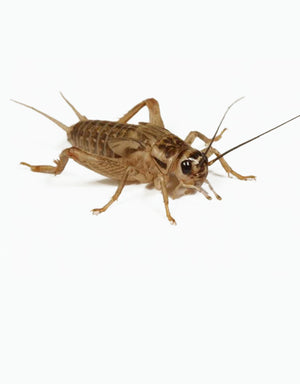
Feeding: Common Green Tree Frogs are insectivores, with a diet consisting mainly of small and quick moving insects such as young crickets, flightless fruit flies, and bean weevils. We find that they are most attracted to feed that move a lot in front of them. Feed juveniles daily and adults every 2-3 days.
Supplementation: Offer lightly dusted crickets once per week with calcium or multi vitamin. Be careful not to over supplement with vitamin D3.
Water: All tree frogs absorb water through their skin. For this reason, they do best by taking water through misting directly on them and around their environments. A shallow water dish with dechlorinated water should also be available as frogs will sometimes dip parts of their bodies into the water to absorb it when they need to. The dish should be cleaned and refilled daily to prevent bacterial growth.

Health & Maintenance
Hygiene: It is absolutely crucial to keep amphibian terrariums clean as they are very sensitive creatures. Routinely clean your enclosure to prevent bacterial and fungal growth. Spot clean daily by removing waste and uneaten food. A deeper clean of the enclosure should be done every few weeks, ensuring that any substrate, decorations, and water dishes are properly sanitized. You can minimize the cleaning needed by creating a live bioactive habitat which will heavily aid in natural breakdowns of waste that gets cycled through the presence of live plants and beneficial lifeforms in the soil. If done correctly, substrate changes are not necessary for many years at a time. If not using a bioactive habitat, then we recommend a full substrate change at least once per season, 4 times a year. Wood and plant décor can be washed monthly with hot water and dish soap and put back into place. Regularly check for signs of mold in humid enclosures.
Handling: Common Green Tree Frogs are best enjoyed as display pets rather than handled frequently. Their skin absorbs substances easily, so hands should be washed and dampened before handling to prevent irritation. They also are very quick jumpers with surprising distance in their little legs so they can be incredibly hard to catch if one gets away from you. If handling is necessary, hands should be clean and damp to avoid causing stress or irritation to the frog. This species is best kept for the enjoyment of observation and terrarium building rather than any handling. If necessary, wash your hands before and after handling to prevent the spread of bacteria.
Behavioural observation: These frogs are primarily nocturnal and most active at night. They spend much of their time perched on leaves or vertical surfaces, and males are known for their loud, distinctive calls, especially during the breeding season. They can change shades of green depending on temperature, humidity, and stress levels.
Quarantine: Quarantine any new additions to your amphibian collection to prevent the spread of diseases.
Common Questions
How big do common green tree frogs get?
Only 1.5 to 2 inches as adults, which is why nano tanks work for juveniles. They live 8 to 12 years in captivity, so the small size does not mean a short commitment.
Can common green tree frogs be kept together?
Yes. They are found in groups in the wild and take well to communal living. Many keepers house groups in heavily planted tanks measuring 18x18x24 inches.
What size enclosure does a common green tree frog need?
8x8x12 inches suits babies, and 12x12x18 inches or larger suits adults. Because they are arboreal, vertical space matters more than floor space. Branches, cork bark and strong steady leaves to perch on are more useful than open ground.
Can you handle a common green tree frog?
Better not to. Their skin absorbs substances easily, so handling risks irritating them. They are also fast jumpers and cover surprising distance, which makes an escaped frog very hard to catch. If you do have to move one, make sure your hands are clean and damp, and wash them before and after.
What do common green tree frogs eat?
Small, fast moving insects. Young crickets, flightless fruit flies and bean weevils all work, and they respond best to feeders that move a lot in front of them. Feed juveniles daily and adults every 2 to 3 days, with crickets lightly dusted once a week. Go easy on vitamin D3.
Do common green tree frogs need a heat lamp or UVB?
UVB is optional and not required, though small amounts can be beneficial. For heat, a low-wattage heat lamp, ceramic heat emitter or radiant heat will hold the range. Use a thermometer, because this species overheats easily.
All Reptiles, all the time.
Common green tree frogs in stock now
We carry common green tree frogs, along with the bioactive substrate, nano tanks, misting gear and climbing decor covered in this guide, at 1911 Kennedy Rd. Unit 99 in Toronto. Staff can walk you through a full setup in person.


