
















African Pixie Frog Care Sheet


Introduction
The African Pixie Frog (Pyxicephalus adspersus), also known as the African Bullfrog, is one of the largest frog species in the world. Despite their "pixie" nickname, these frogs can reach an impressive size, with males growing significantly larger than females. Native to sub-Saharan Africa, they are hardy, long-lived amphibians that thrive in captivity when given proper care. Pixie Frogs are known for their voracious appetites and bold personalities, making them fascinating pets for amphibian enthusiasts.
Care sheets are only to be taken as guidelines. Just as with all animals, each frog will have unique traits and personalities special to the individual animal that may require adaptation in their husbandry and care. The following care sheet will address basic requirements but as the primary caretaker of your pet, we encourage you to take notice of your pet's behaviours and preferences and make adjustments as they grow with you and your family. Please also keep in mind that unlike mammals, most reptiles change their behaviour according to seasonal weather changes even if you keep them indoors all year round. Most reptiles also change their behaviour according to their life stages and should not be expected to behave the same their whole life.
We keep frogs and toads in stock at our Toronto store and ship across Canada.

Cheat Sheet
African Pixie Frog
| Common name | African Pixie Frog |
|---|---|
| Scientific name | Pyxicephalus adspersus |
| Natural location | Sub Sahara Africa |
| Habitat (wild) | Savannas, Grasslands, and Seasonal Floodplains |
| Captive enclosure | 10-20gal for juveniles, 30-40gal+ for adults |
| Substrate | Bioactive Blends, Cypress Mulch, Loose Bark, Coco Husk, Soil Blends |
| Temperature tolerance | Nighttime: 70°F (21°C), Cooler: 72-85°F (23-29°C) |
| Basking temperature | 75-85°F (24-29°C) |
| UVB lighting | Optional. Not required but can be beneficial in very small amounts |
| Humidity | Approx. 50-80% |
| Average adult size | 5-10", up to 5lbs. Males are significantly larger than females |
| Captive lifespan | 20-40 years |
| Fun fact | The second largest frog in the world, second to the Goliath Frog |
Housing
Enclosure: A single adult Pixie Frog requires a minimum of a 20-gallon long tank, though larger enclosures (such as 40-gallon breeder tanks) are ideal for fully grown males. Younger frogs can be housed in smaller setups, but they will need upgrades as they grow. Since these frogs are terrestrial and not active climbers, floor space is more important than height. A secure lid is necessary to prevent escapes.
Substrate: African Pixie Frogs spend a large amount of time burrowed deep in the ground and they are also surprisingly proficient swimmers! They enjoy a soft, moisture-retaining substrate like damp coconut fiber, or repti soil mix, or jungle mix. Avoid gravel, bark, and stringy mosses as these can cause impaction if ingested. Substrate should be kept damp but not overly saturated. A dip in clean room temperature water is occasionally beneficial for this species and provides some enrichment and relief from heat.
Heating & Temperature: Pixie Frogs require a temperature range of 75-85°F (24-29°C) during the day, with a slight nighttime drop to 70°F (21°C). A heat mat placed under one side of the enclosure, or a low-wattage ceramic heat emitter or radiant heat can help maintain a temperature gradient. Avoid excessive heating, as Pixie Frogs can tolerate short periods of cooler temperatures but will suffer from overheating.
Decor: Since Pixie Frogs are ambush predators and only stay on the ground, they do not require complex decorations, but a few hiding spots using logs, plants, or half-buried cork bark can help them feel secure. A shallow dish for soaking is also recommended.
Humidity: A humidity level of 50-80% is optimal. In drier climates, regular misting with dechlorinated water and the use of moisture-retaining substrate help maintain proper humidity. During periods of estivation (a type of dormancy in dry conditions), humidity can be allowed to drop, but for active frogs, higher humidity should be maintained.
Diet
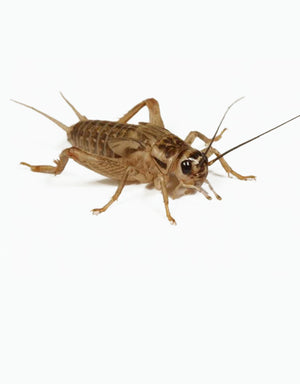
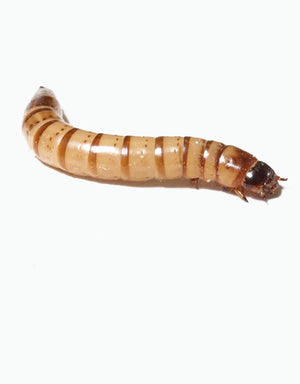
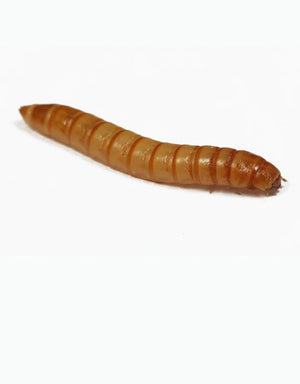
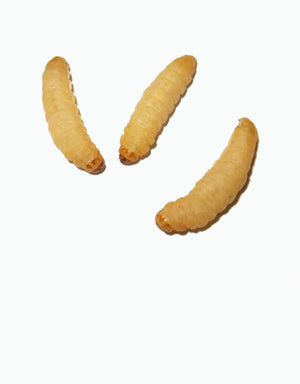
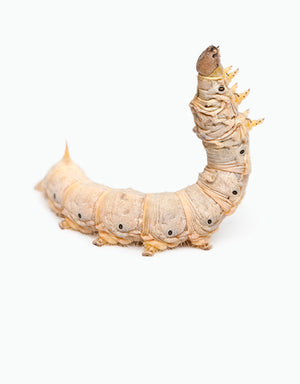
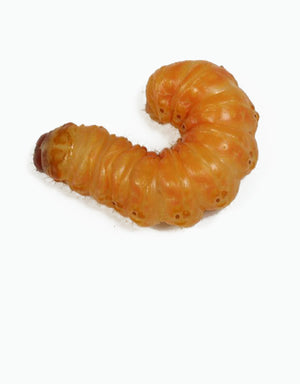
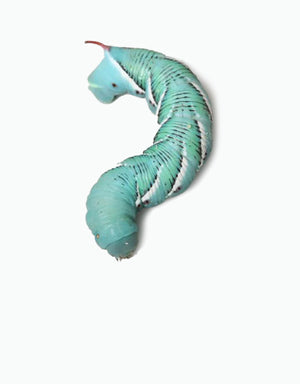
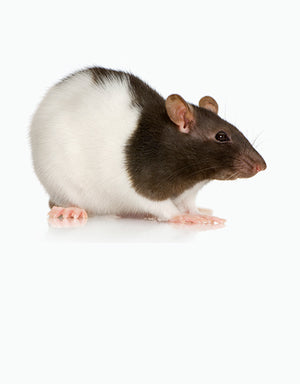
Feeding: Pixie Frogs are opportunistic carnivores with insatiable appetites. Their diet includes a variety of feeder insects such as crickets, roaches, nightcrawlers, mealworms, superworms, silk worms, horn worms, and butterworms. As they grow, they can be fed small mice, fish, or even other amphibians or small lizards on occasion. However, feeding large vertebrates too often can lead to obesity. Feed juveniles daily and adults every 3 days or so, depending on body conditions.
Supplementation: You can offer lightly dusted crickets once per week with calcium or multi vitamin. Be careful not to over supplement with vitamin D3. Usually if you are gutloading your feeder insects then supplementation is not needed at all.
Water: All frogs absorb water through their skin. For this reason, they do best by taking water by misting directly on them and around their environments. A shallow water dish with dechlorinated water should always be available for soaking. The water should be changed daily to prevent bacterial growth.

Health & Maintenance
Hygiene: Pixie Frog droppings are easy to identify and should be promptly removed each time you see it. We recommend a full substrate change once per season, 4 times a year or as needed based on moisture levels and cleanliness. Water dishes should be cleaned regularly with reptile-safe disinfectants. Any wood and plant décor can be washed monthly with hot water and dish soap and put back into place. Regularly check for signs of mold in humid enclosures.
Handling: Handling should be kept to a minimum, as Pixie Frogs have sensitive skin and may become stressed when handled too frequently. When handling is necessary, hands should be clean, damp, and free of lotions or chemicals. Additionally, these frogs have strong jaws and can deliver a painful bite if they feel threatened. Wash your hands before and after handling to prevent the spread of bacteria.
Behavioural observation: Pixie Frogs are mostly nocturnal and spend much of their time burrowed or soaking. They can be aggressive eaters, lunging at food with force. During the dry season, they may enter a state of estivation, burying themselves and forming a protective mucus cocoon until conditions improve. With consistent care and proper husbandry, these fascinating amphibians can thrive in captivity for many years.
Quarantine: Quarantine any new additions to your reptile collection to prevent the spread of diseases.
Common Questions
How big do African Pixie Frogs get?
5 to 10 inches and up to 5 pounds, with males noticeably bigger than females. Despite the nickname, this is the second largest frog in the world after the Goliath Frog.
Do Pixie Frogs bite?
They can, and it hurts. Strong jaws and a willingness to lunge at anything that moves. Keep handling to a minimum and never offer fingers near feeding time.
What size tank does a Pixie Frog need?
A 20-gallon long is the minimum for a single adult, with a 40-gallon breeder better for a fully grown male. They are ground dwellers, so floor space matters far more than height, and the lid needs to be secure.
What do Pixie Frogs eat?
Almost anything they can fit in their mouth. Crickets, roaches, nightcrawlers, mealworms, superworms, silk worms, horn worms and butterworms as staples, with small mice, fish or the occasional lizard as they grow. Keep the vertebrates occasional, since regular large prey leads to obesity.
Why has my Pixie Frog buried itself and stopped eating?
Estivation. In dry conditions they bury down and form a protective mucus cocoon until things improve. Humidity can be allowed to drop while that happens, and returns to normal when the frog does.
How long do Pixie Frogs live?
20 to 40 years, which is far longer than most people expect from a frog. This is a decades-long commitment rather than a short-term pet.
All Reptiles, all the time.
Frogs and toads in stock now
We carry the coconut fibre and soil substrates, cork bark, soaking dishes, heat mats, ceramic heat emitters and hygrometers covered in this guide at 1911 Kennedy Rd. Unit 99 in Toronto. Staff can walk you through a full setup in person.


